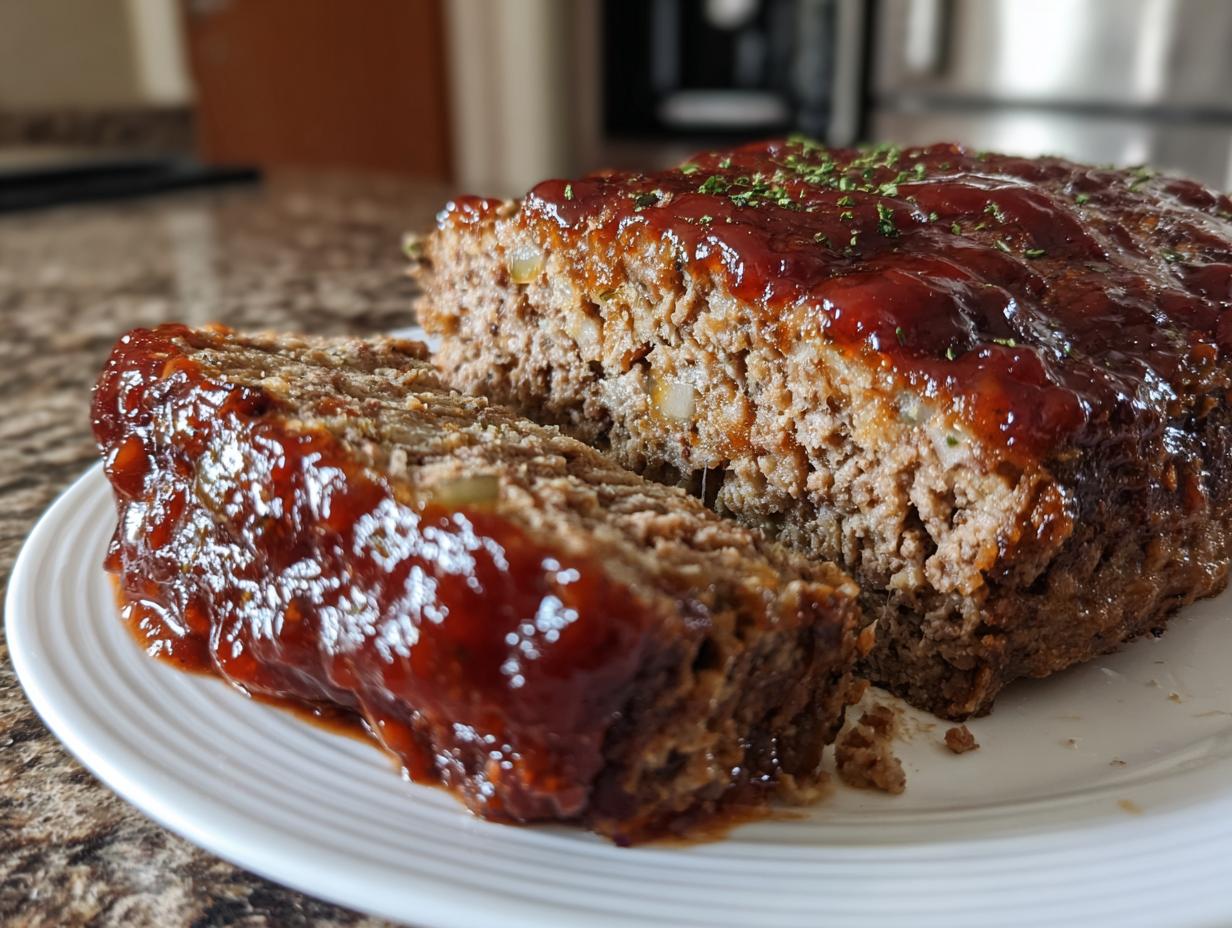
Oh my goodness, if you’re looking for that one meatloaf recipe that actually tastes like home, you’ve found it! I’m not kidding, this **classic meatloaf** is the absolute gold standard. Forget those dry, crumbly bricks you might have suffered through; this one stays wonderfully tender and juicy, and that sweet and tangy glaze caramelizes on top? Perfection!
I’ve made hundreds of these over the years, trying to nail down that perfect balance between flavor and structure. Trust me, the little steps I’m sharing here are what make this version a permanent fixture on my family’s dinner table every single month. It’s comfort food done right!
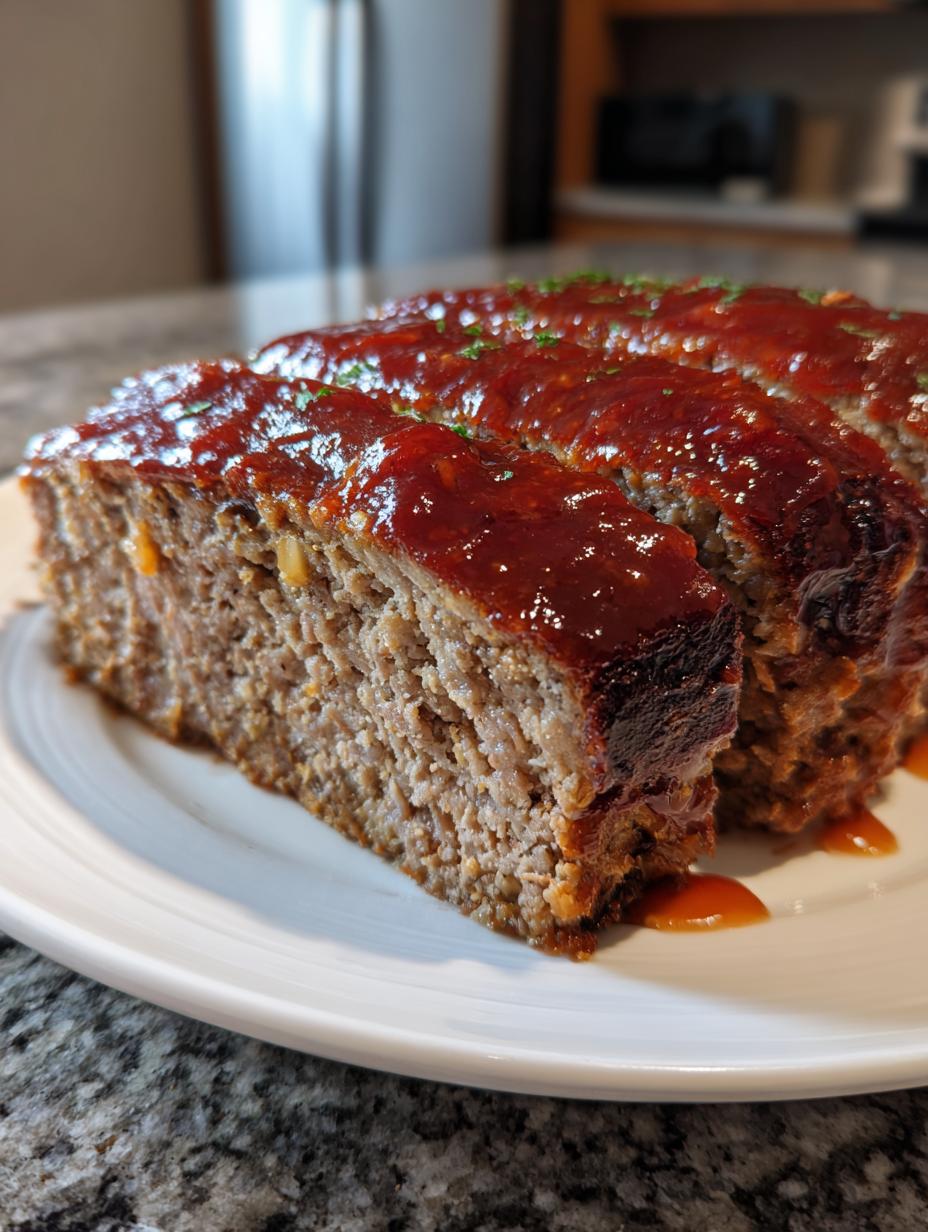
Essential Ingredients for Your classic meatloaf
The secret to making this **classic meatloaf** so unbelievably tender starts right here, with the ingredients. We aren’t using a million things, but the few we do use have to be good quality, especially that ground beef. If you want juicy meatloaf, you must pay attention to the fat content. I insist on 80 to 85% lean beef; anything leaner and you risk ending up with that dry brick I mentioned earlier!
For the binder, we need eggs, breadcrumbs, and milk. The milk helps keep things soft while the breadcrumbs absorb the juices. Then we load it up with flavor: fresh parsley, salt, pepper, and a little Italian seasoning. Don’t forget the ketchup mixed right into the base—that adds moisture before we even get to the glaze!
Preparing the Flavor Base
Now, listen closely, because this step is non-negotiable if you want big flavor! You cannot just throw raw onions into the mix. If you do, they steam in the oven and give your loaf a weird, sharp taste. You need to cook them first!
Heat a tablespoon of olive oil in a small skillet over medium heat. Toss in those finely diced onions and let them cook down until they are soft and just starting to turn golden—that takes about five to seven minutes. You want them sweet, not burnt! Once they cool down just a touch, then they go into your big bowl with the meat. And don’t forget those minced garlic cloves; they go in raw with the rest of the wet ingredients, but they’ll mellow out beautifully during the bake time.
Equipment Needed for Perfect classic meatloaf Results
You don’t need any fancy gadgets for this **classic meatloaf**, thank goodness! We keep things simple, which is why it’s so easy for weeknights. You absolutely must have a sturdy, large mixing bowl—one big enough to mix everything without stuffing it over the sides. You’ll also need that small skillet we used to soften the onions.
Make sure you have a rimmed baking sheet ready to go. I always line mine with foil or parchment paper; trust me, cleanup is a dream that way! Finally, and this is where I gain my baking confidence, grab a meat thermometer. It takes all the guesswork out of knowing when your meatloaf is perfectly done and juicy!
Step-by-Step Instructions for classic meatloaf Perfection
Okay, now that we have our flavor base ready and our oven preheated to 350 degrees Fahrenheit, it’s time to bring this beautiful **classic meatloaf** together. Remember what I said about the texture? It all comes down to how you handle the mixing. This is where most people accidentally ruin a perfectly good dinner!
Mixing and Shaping the Loaf
Get all those beautiful ingredients—the seasoned meat mixture, the cooled onions, the eggs, the milk, everything—into that big bowl. Now, grab your hands, but approach this gently. You want to mix everything until it is *just* combined. I mean it! If you start kneading this like bread dough, you’re going to develop the proteins in the beef too much, and you’ll get a tough, dense loaf. Seriously, stop mixing the second you don’t see any dry streaks of breadcrumbs left. It should feel loose, not tightly packed.
Once mixed, gently form it into a loaf shape right there on your baking sheet that you’ve already lined with parchment or foil. I aim for about eight inches long and four inches wide—a nice, squat rectangle. Don’t press down too hard when you shape it! We want air in there to keep it tender.
The Baking Process and Glazing Application
Pop that loaf into the preheated oven, uncovered, for 40 minutes. This first stage cooks the loaf through and sets the structure. While that’s happening, you can whip up the glaze. Whisk together the extra ketchup, that splash of apple cider vinegar—which gives it that wonderful tang—the brown sugar, garlic powder, and onion powder. It should be thick and glossy.
After 40 minutes, pull the sheet out. It’s time for the glaze! Spread that sweet, tangy mixture evenly over the top of the loaf. Back into the oven it goes for another 20 minutes. This is the crucial temperature check time. You absolutely must use your meat thermometer here. We are looking for an internal temp of 160 degrees Fahrenheit. That ensures it’s perfectly cooked and safe without drying out.
Resting Time for a Juicy classic meatloaf
I know you’re hungry, and it smells incredible right out of the oven, but this last step is the most important for guaranteed juiciness. You must let the meatloaf rest for a full 10 to 15 minutes before you even think about slicing it! If you cut it right away, all those lovely juices that have gathered inside will immediately run out onto your cutting board.
The resting time allows the muscle fibers to relax and reabsorb those flavorful liquids. I usually use this time to mash my potatoes or steam some green beans. When you finally slice into it after the rest, you’ll see those juices stay right where they belong—in the meatloaf!
Pro Tips for Success with classic meatloaf
Even with a great recipe like this **classic meatloaf**, sometimes things can go a little sideways, right? Don’t worry! I’ve gathered a few of my best tricks to guarantee success every time, especially when it comes to keeping that texture soft and making cleanup painless.
First thing: cleanup. Seriously, don’t try to bake this directly on a metal pan unless you love scrubbing. Using parchment paper or foil is the greatest gift you can give your future self. It lifts right off, and you just toss the mess away. Easy peasy!
Avoiding a Dry Loaf
The biggest fear with any ground beef dish is dryness, but we’ve built moisture right into this recipe with the milk and the sautéed onions. The absolute best defense against a dry loaf is twofold. First, stick to that 80–85% lean ground beef recommendation. That little bit of extra fat melts during cooking and bastes the meat from the inside out!
Second, and this is huge: watch your internal temperature! If you cook meatloaf past 165 degrees Fahrenheit, it’s going to get firm, no matter what you do. Pull it out right when that thermometer hits 160 degrees Fahrenheit, because it will keep climbing a few degrees while it rests. That careful timing is the difference between a tender bite and chewing rubber!
Frequently Asked Questions About classic meatloaf
I get so many questions about this recipe because everyone wants their **classic meatloaf** to turn out just right! Here are the things I hear most often when people try it out for the first time. Don’t hesitate to ask if you have another question, I love hearing from you!
Can I make this classic meatloaf ahead of time?
Yes, absolutely! This is a fantastic recipe for meal prepping. You can mix up the entire meat mixture—the beef, onions, eggs, and seasonings—and press it into your loaf pan or shape it on the baking sheet. Wrap it tightly in plastic wrap and then foil, and keep it in the fridge for up to 24 hours. When you’re ready to bake, just pull it out about 30 minutes before you plan to put it in the oven to let it warm up slightly, then follow the baking instructions.
If you want to freeze it, you can freeze the unbaked loaf the same way. It lasts great in the freezer for about three months. Thaw it overnight in the fridge before baking, and add about 15 minutes to the initial baking time since it will start colder.
What is the best ground beef blend for this recipe?
This is probably the most important question for texture! For the juiciest, most flavorful **classic meatloaf**, you really need that slight bit of extra fat. I strongly recommend sticking with 80/20 ground beef, which means 80% lean and 20% fat. If you go leaner than 85/15, the loaf tends to dry out because there isn’t enough fat rendering during the long bake time to keep everything moist.
If you happen to only have 90/10, you can compensate by adding an extra tablespoon of olive oil when you sauté your onions, or maybe even an extra tablespoon of milk into the mix. But honestly, the 80/20 blend is the classic way to go for the best results!
Serving Suggestions for Your Family Dinner
We all know a **classic meatloaf** needs the right supporting cast to really shine, right? This isn’t just a main course; it’s the centerpiece of a real, hearty family dinner. The recipe notes mentioned mashed potatoes, and honestly, that’s non-negotiable in my house. There’s nothing better than making a little well in those creamy potatoes to catch all the extra glaze and meat juices!
Beyond the potatoes, you need something green to cut through the richness. I usually roast some broccoli or green beans tossed with a little olive oil, salt, and pepper. They get nice and crisp in the oven while the meatloaf is finishing up. This combination—the tender meat, the tangy glaze, the creamy potatoes, and the crisp veggies—is the definition of comfort food done right. It’s a complete meal that always leaves everyone happy!
Storing and Reheating Leftover classic meatloaf
One of the best things about making a big **classic meatloaf** is having leftovers! It tastes just as good the next day, maybe even better once the flavors have really settled in. If you have any left, you need to store it properly so you don’t end up with dry meat come lunchtime tomorrow. Make sure you let the loaf cool down completely before wrapping it up. I usually slice the leftovers first—it makes reheating much faster!
Wrap any slices tightly in plastic wrap and then tuck them into an airtight container or a Ziploc bag. It keeps really well in the refrigerator for about three to four days. If you know you won’t get to it by then, freezing is an option too. Just make sure it’s wrapped super securely to avoid freezer burn. It’s a lifesaver when you need a quick, hearty meal without turning the oven on!
Storage and Reheating Table
| Storage Method | Duration | Reheating Temperature/Time |
|---|---|---|
| Refrigerator (Airtight) | 3–4 days | Covered in foil at 350°F for 15–20 minutes |
| Freezer (Airtight) | Up to 3 months | Thaw overnight, then reheat as above, or microwave until hot |
Understanding the Nutrition in Your classic meatloaf
When we talk about **classic meatloaf**, we’re talking about real food, the kind that fills you up and tastes amazing, not something we weigh down with complicated diet tracking! Because this recipe uses ground beef and a simple glaze, it comes out nicely balanced for a hearty meal. I want to be clear, though: these numbers are just estimates based on standard ingredient weights, since things like the exact fat content of your beef can change things!
But for a good ballpark idea of what you’re serving up for dinner, this breakdown is really helpful. It shows a solid amount of protein to keep everyone feeling satisfied, which is what comfort food should do!
Estimated Nutritional Breakdown Table
| Nutrient | Estimated Amount (Per Serving) |
|---|---|
| Calories | 340 |
| Total Fat | 19g |
| Carbohydrates | 17g |
| Protein | 26g |
Share Your Thoughts on This Classic Recipe
I truly hope this recipe brings as much joy and that wonderful, savory smell to your kitchen as it does to mine. If you try out this tender, glazed **classic meatloaf**, please let me know how it turned out for you! Drop a comment below telling me what you served it with. I’m always looking for new ideas! I’m always looking for new ideas!
Print
Juicy classic meatloaf: 1 amazing trick
- Total Time: 1 hour 15 minutes
- Yield: 6–8 servings 1x
- Diet: N/A
Description
This classic meatloaf is tender, juicy, and full of flavor with a caramelized sweet and tangy glaze. A timeless comfort food that’s easy to make and perfect for family dinners.
Ingredients
- 2 pounds ground beef (80–85% lean)
- 1 medium onion, finely diced
- 2 garlic cloves, minced
- 2 large eggs
- ¾ cup breadcrumbs
- ⅓ cup milk
- 2 tablespoons ketchup
- 2 tablespoons chopped parsley
- 1 teaspoon salt
- 1 teaspoon Italian seasoning
- ½ teaspoon black pepper
- 1 tablespoon olive oil
- ¾ cup ketchup (for glaze)
- 1 tablespoon apple cider vinegar
- 2 tablespoons brown sugar
- ½ teaspoon garlic powder
- ½ teaspoon onion powder
Instructions
- Heat oven to 350°F. Line a rimmed baking sheet with parchment paper or foil.
- Heat olive oil in a skillet over medium heat. Add onions and cook for 5–7 minutes until golden and soft. Let cool slightly.
- In a large bowl, combine ground beef, sautéed onions, garlic, eggs, breadcrumbs, milk, ketchup, parsley, salt, Italian seasoning, and pepper. Mix until just combined.
- Shape into a loaf about 8 inches long and 4 inches wide. Place on the prepared baking sheet and bake uncovered for 40 minutes.
- In a small bowl, whisk together ketchup, vinegar, brown sugar, garlic powder, and onion powder for the glaze.
- Spread glaze over the meatloaf. Bake another 20 minutes, or until the internal temperature reaches 160°F.
- Let meatloaf rest for 10–15 minutes before slicing. Serve.
Notes
- Do not overmix the meat mixture.
- Use parchment paper or foil for simple cleanup.
- Serve with mashed potatoes and roasted vegetables for a hearty meal.
- Prep Time: 15 minutes
- Cook Time: 1 hour
- Category: Main Course
- Method: Baking
- Cuisine: American
Nutrition
- Serving Size: 1 serving
- Calories: 340
- Sugar: Unknown
- Sodium: Unknown
- Fat: 19g
- Saturated Fat: Unknown
- Unsaturated Fat: Unknown
- Trans Fat: Unknown
- Carbohydrates: 17g
- Fiber: Unknown
- Protein: 26g
- Cholesterol: Unknown