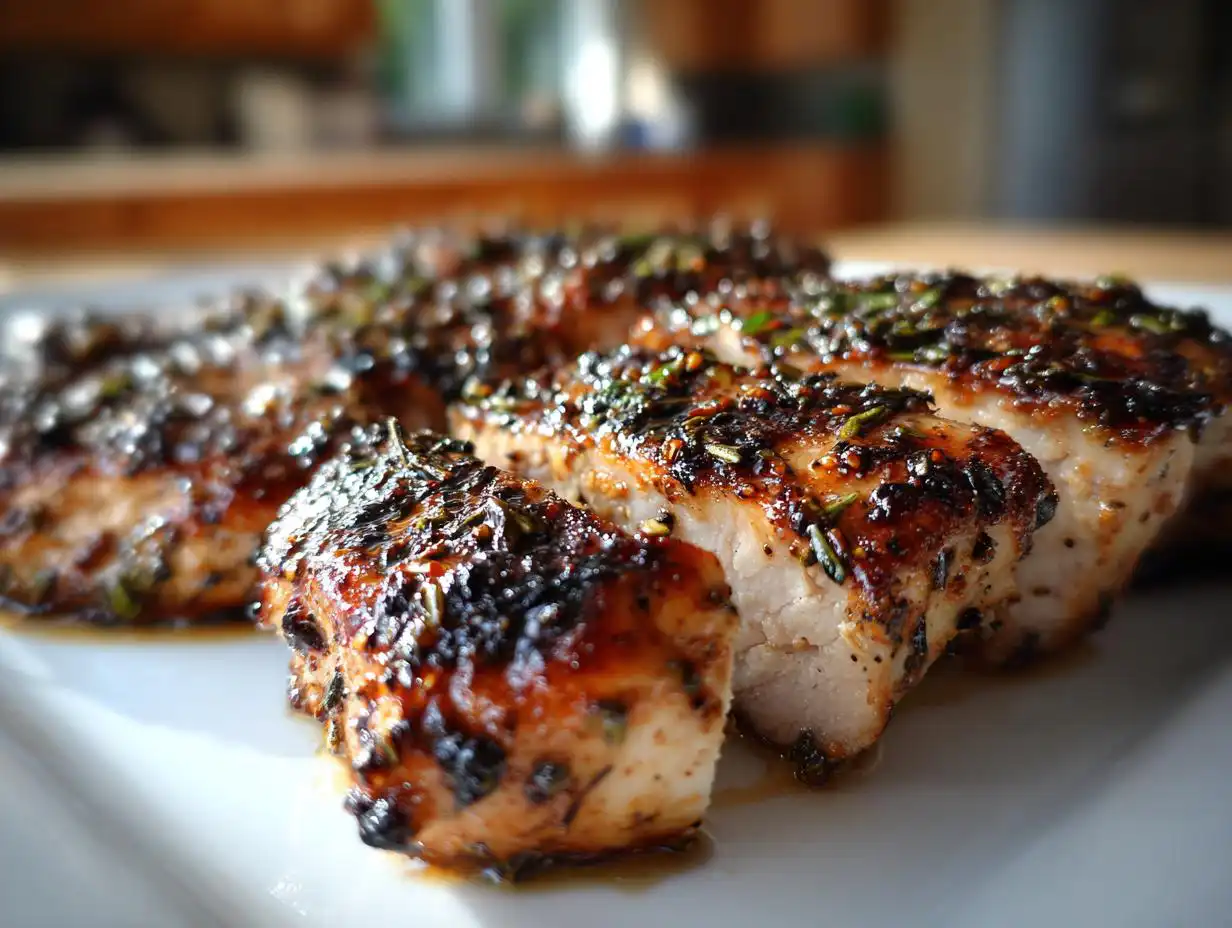
Forget dry, boring weeknight dinners, seriously! If you’re looking for the absolute best easy chicken marinade that guarantees juicy, flavorful results every single time, you’ve hit the jackpot. I developed this recipe out of sheer necessity because I kept ending up with sad, bland chicken breasts. I needed something punchy but simple, and this blend of tangy balsamic vinegar, bright fresh lemon, and savory herbs like rosemary changed everything for me.
Honestly, this chicken marinade is my absolute go-to for meal prep. It’s robust enough to stand up to the grill but gentle enough to keep chicken thighs unbelievably tender when baked. The beauty of this recipe is that you only need five minutes of active time, and the flavor payoff is huge. It just tastes like you spent way more time fussing over it than you actually did. You’re going to want to double this batch every time!
Essential Ingredients for Your Chicken Marinade
When we talk about the magic behind this incredible chicken marinade, it really comes down to balancing those big, bold flavors. You need the right combination of acid, fat, salt, and sugar to break down the meat just enough to tenderize it while layering in tons of taste. I’ve made this recipe dozens of times, and I never skip a single item on the list because each one plays a crucial role in the final outcome.
For about two pounds of chicken, you’re going to need a good amount of liquid to ensure everything gets coated properly. Don’t try to skimp on the olive oil—that fat is what carries all the flavor from the herbs and acids right into the meat fibers. Trust me on this one!
Assembling the Chicken Marinade Liquid Base
The heart of this entire chicken marinade is that incredible duo of balsamic vinegar and fresh lemon juice. The vinegar brings a deep, slightly sweet tang, while the lemon cuts through the richness of the olive oil and soy sauce. You’ll also need Worcestershire sauce—that’s where you get that deep, savory umami note that just makes everything taste better. Don’t forget the Dijon mustard; it acts as a slight emulsifier, helping to bind those oily and watery parts together so you get a consistent coating.
Choosing the Right Chicken for This Chicken Marinade
I use boneless, skinless chicken for this recipe, usually a mix of breasts and thighs, which is why the recipe calls for two pounds. If you’re using breasts, they tend to be leaner, so you might not want to marinate them for the full 24 hours; 4 to 8 hours is plenty, or they can get a little soft. Thighs, though? They can handle a full day in this chicken marinade and come out tasting like heaven because they have more fat to absorb all that goodness. Either way, make sure they are trimmed of any excess fat before they go in!
Equipment Needed for Perfect Chicken Marinade Preparation
You don’t need fancy gadgets for this recipe, which is part of why I love it so much for busy weeknights! The most important thing is having something large enough to hold all the chicken and the marinade without overflowing. I usually grab my biggest glass mixing bowl.
If you are planning on making a big batch for freezing or just hate cleanup, a large, high-quality resealable freezer bag works like a charm—just make sure you squeeze out all the air before sealing it up tight. You’ll definitely need your measuring cups and spoons for accuracy, especially with the spices.
Beyond the mixing, make sure you have the right tools ready for cooking. If you’re grilling, have your tongs and a clean grill brush handy. If you’re baking, a simple rimmed baking sheet lined with foil or parchment will save you so much time scrubbing later. It’s all about making the cleanup as painless as possible!
Step-by-Step Instructions for Your Chicken Marinade
Okay, now for the fun part! Getting this amazing flavor locked into the chicken is super straightforward. We’re basically making a quick vinaigrette and letting the meat soak up all that zing. Remember, the goal is to create a beautiful, balanced coating that sinks deep into the meat, so pay attention to your mixing technique here.
Once the marinade is ready, you just have to be patient. I know it’s hard when you’re hungry, but giving this chicken marinade enough time to work its magic is what separates the good chicken from the *great* chicken. Don’t rush this part!
Mixing the Flavorful Chicken Marinade Components
First things first, grab your mixing vessel—that big bowl or resealable bag we talked about. I always start by whisking the liquids together first. Pour in your olive oil, balsamic vinegar, soy sauce, and Worcestershire sauce. Now, you’re going to add the Dijon mustard and the fresh lemon juice. Whisk vigorously for about 30 seconds. You’ll notice it starts to look a little cloudy or thicker—that’s the mustard helping everything emulsify slightly, which is exactly what we want!
Next, sprinkle in your dry seasonings: the brown sugar (or honey), dried rosemary, garlic powder, salt, and pepper. Give it one final, good whisk until the sugar dissolves and everything looks uniformly mixed. You want zero clumps of spice floating around. Once it looks like a slightly thick, dark dressing, you’re ready for the chicken.
Marinating Time and Best Practices for This Chicken Marinade
Toss your two pounds of chicken into that beautiful liquid and make sure every single piece is completely coated. If you’re using a bowl, give it a good toss with tongs. If you’re using a bag, just massage the outside until you can see the chicken glistening everywhere.
Now, we wait. The minimum time for this chicken marinade is 30 minutes, just enough to get some surface flavor if you’re in a huge rush. But honestly? If you want the absolute best results and the most tender texture, you need to let it sit for at least 4 hours, or even better, overnight up to 24 hours in the fridge. The acid from the lemon and vinegar needs time to penetrate and tenderize the muscle fibers. If you’re going past 8 hours, I prefer using thighs because breasts can get a little too soft if they sit in acid for too long. Remember to always keep it covered and refrigerated while it marinates!
Cooking Methods for Your Marinated Chicken
This is where that hard work you put into the chicken marinade really pays off! Because this marinade has oil and vinegar, it helps protect the meat and guarantees a nice sear no matter how you cook it. I usually switch between grilling in the summer and baking when it’s too cold, and both methods yield fantastic results. Just remember to always let the excess marinade drip off before it hits the heat source—we want flavor, not a flare-up!
The internal temperature check is non-negotiable, folks. Whether you use a thermometer or a quick slice, make sure that chicken hits 165°F all the way through. We don’t want undercooked poultry, no matter how great the balsamic smells!
Grilling: Achieving Smoky Perfection with This Chicken Marinade
If you’re taking this marinated chicken outside, preheat your grill to a medium-high heat setting. You want the grates nice and hot so you get those beautiful grill marks quickly. Lightly oil those grates first—a paper towel dipped in oil works great—to prevent sticking, which can happen easily with sugary marinades.
Lay the chicken pieces down and let them cook undisturbed for about 5 to 6 minutes per side. If you’re using thick breasts, you might need a minute or two longer, but keep an eye on them. The natural sugars in the marinade caramelize fast, so watch for burning!
Oven Baking Method for Moist Results
If the weather isn’t cooperating, the oven is your best friend. Preheat the oven to a steady 400°F. Line a sturdy baking sheet with foil or parchment paper for super easy cleanup later—trust me, the sticky bits come right off! Lay your chicken pieces out in a single layer; don’t let them overlap, or they’ll steam instead of roast.
Bake these beauties for about 18 to 22 minutes total. Again, check the thickest part of the breast or thigh. This method keeps the chicken exceptionally moist because the heat surrounds it evenly, locking in the flavor from the chicken marinade.
Quick Stovetop Sear Technique
Sometimes you just need dinner on the table *now*. For the stovetop, grab a heavy skillet—cast iron is perfect here. Heat about one tablespoon of fresh olive oil over medium-high heat until it shimmers slightly. You want that pan hot!
Place the chicken in the skillet, making sure not to overcrowd the pan (cook in batches if necessary). Sear for about 8 to 10 minutes on one side until a nice brown crust forms, then flip and cook for another 8 to 10 minutes until it’s cooked through. This method gives you the best sear in the shortest time!
Tips for Success with Any Chicken Marinade Recipe
I’ve learned a few tricks over the years that make using a chicken marinade foolproof, even when you’re rushing. My absolute biggest piece of advice, no matter which cooking method you choose (grill, bake, or sear), is to let the chicken rest for five minutes after it comes off the heat. Seriously, cover it loosely with foil and walk away. This resting period allows all those wonderful juices, flavored by the balsamic and lemon, to redistribute back into the meat. If you slice it immediately, you’ll just lose all that moisture onto your cutting board!
Also, remember that little note about the leftover marinade? Never, ever just pour it over your cooked chicken unless you boil it first! Marinade that touched raw poultry is a no-go zone for safety. If you want extra sauce, take out a small portion of the marinade *before* you add the raw chicken, or boil the used marinade vigorously for at least two or three minutes until it’s bubbling hot and reduced slightly. That sterilizes it and turns it into a delicious, tangy glaze for serving. Following these simple rules ensures every bite of your chicken marinade experience is perfect and safe!
Storing and Handling Leftovers from Your Chicken Marinade
So you made too much because this chicken marinade is just that good! That’s the best kind of problem to have. Storing the cooked chicken is easy, but we have to be super careful about that leftover liquid marinade we didn’t use. Remember, once that marinade touches raw chicken, it’s officially off-limits for dipping or drizzling raw.
If you reserved some marinade *before* adding the raw chicken, that’s your bonus sauce! If you didn’t, you must boil the used marinade to kill any bacteria before you consider using it. I always try to save a little bit of the liquid base just in case I need extra flavor later, but safety first, always!
Safe Storage and Reheating Guidelines
Cooked chicken keeps really well in the fridge for about three to four days if stored properly in an airtight container. To reheat, you want to bring it up to a safe serving temperature quickly. Microwaving works fine, but I prefer adding a splash of water or broth to the pan and covering it on the stovetop for best results.
Here’s a quick guide for handling both the leftovers and the marinade itself:
| Item | Storage Time (Refrigerated) | Reheating Recommendation |
|---|---|---|
| Cooked Chicken | 3–4 Days | Heat until steaming hot (165°F internal temp) |
| Unused Marinade (Raw) | Up to 1 Week | Discard if used on raw meat; boil if reusing as sauce |
Frequently Asked Questions About This Chicken Marinade
I get so many questions about this recipe because people want to make sure they get that super tender result we talked about. It’s a fantastic base recipe, but sometimes you need to make little tweaks based on what you have on hand. Don’t worry! Most substitutions are fine as long as you understand what that ingredient is doing in the overall chicken marinade balance.
People often ask about the acidity, which is key to tenderness. Acid (like lemon juice) tenderizes the meat, but too much acid for too long can actually make the chicken tough or mushy, so you have to respect the timing. This is why knowing the limits of this chicken marinade is so important for success!
Can I use dried lemon instead of fresh juice in this chicken marinade?
You can, but I really, really urge you not to if you can help it! Fresh lemon juice is vibrant and carries essential oils that dried zest just can’t replicate in a marinade. If you absolutely must substitute, use about one teaspoon of dried lemon powder or zest for every tablespoon of fresh juice the recipe calls for, but know that the brightness of the flavor will definitely be diminished. It will still taste good because of the balsamic and rosemary, but it won’t have that signature fresh tang.
How far in advance is the ideal time to apply this chicken marinade?
For the best tenderness and flavor infusion, I always recommend marinating for 8 hours, which is perfect for an overnight soak. This gives the acids time to work their magic without over-tenderizing the meat. You can safely go up to 24 hours for chicken thighs, which are more forgiving. If you’re only doing 30 minutes, you’ll mainly taste the surface flavors, but 8 hours is the sweet spot for truly transforming the meat with this chicken marinade.
Estimated Nutritional Data for This Chicken Marinade
Just a quick heads-up: Since the final nutritional content really depends on how much marinade soaks in and the exact cut of chicken you use, these numbers are just estimates based on the ingredients list. Consider this a helpful starting point!
| Nutrient | Amount (per serving) |
|---|---|
| Calories | 250 |
| Fat | 12g |
| Carbohydrates | 5g |
| Protein | 29g |

Amazing 8-Hour chicken marinade Secrets
- Total Time: 25 minutes + marinating time
- Yield: 4 servings
Description
This easy chicken marinade makes chicken incredibly tender and flavorful with balsamic, lemon, and herbs. Perfect for grilling, baking, or meal prep.
Ingredients
- ½ cup olive oil
- ½ cup balsamic vinegar
- ¼ cup soy sauce (low sodium)
- ¼ cup Worcestershire sauce
- 2 tablespoons Dijon mustard
- ⅛ cup fresh lemon juice
- 2 tablespoons brown sugar or honey
- 2 teaspoons dried rosemary
- 2 teaspoons garlic powder
- 1½ teaspoons salt
- 1 teaspoon black pepper
- 2 pounds boneless, skinless chicken breasts or thighs
Instructions
- In a large bowl or resealable bag, whisk together olive oil, balsamic vinegar, soy sauce, Worcestershire, Dijon mustard, lemon juice, brown sugar, rosemary, garlic powder, salt, and pepper until well combined.
- Add the chicken to the bowl or bag and coat evenly with marinade. Refrigerate for at least 30 minutes and up to 24 hours for best flavor.
- Grill method: Preheat grill to medium-high heat and oil the grates lightly. Remove chicken from marinade, letting excess drip off. Grill for 5–6 minutes per side, or until the internal temperature reaches 165°F.
- Oven method: Preheat oven to 400°F. Place marinated chicken on a baking sheet and roast for 18–22 minutes, or until fully cooked through.
- Stovetop method: Heat 1 tablespoon olive oil in a skillet over medium-high heat. Sear chicken for 8–10 minutes per side, until browned and cooked through.
- Let the chicken rest for 5 minutes before slicing to retain juices. Serve with rice, salad, or roasted vegetables.
Notes
- Discard used marinade or boil it for 2–3 minutes before using as a sauce.
- Always cook chicken to 165°F for safe consumption.
- Prep Time: 5 minutes
- Cook Time: 20 minutes