Forget those long waits in line! I’m going to show you the absolute foolproof way to make a Texas Roadhouse Steak right here in your own kitchen. Seriously, you won’t believe the flavor you get from just a few simple pantry items. I spent ages trying to nail that perfect, slightly sweet, salty crust that they’re famous for, and I finally cracked the code for you.
My secret weapon? It’s all about the seasoning blend and getting that initial sear right. My goal isn’t just to make *a* steak; it’s to replicate that tender, juicy, perfectly crusted experience you get when you sit down at the restaurant. Trust me, once you try this simple sugar/salt rub, you won’t go back to just plain salt and pepper. It adds this amazing depth that really brings out the flavor of the sirloin.
I remember the first time I made this, my husband actually asked if I’d ordered takeout! That’s how close we get to the real deal. We’re talking about a quick cook time, too—you can have this legendary Texas Roadhouse Steak on the table in under 20 minutes if you prep ahead. Let’s get that cast iron screaming hot!
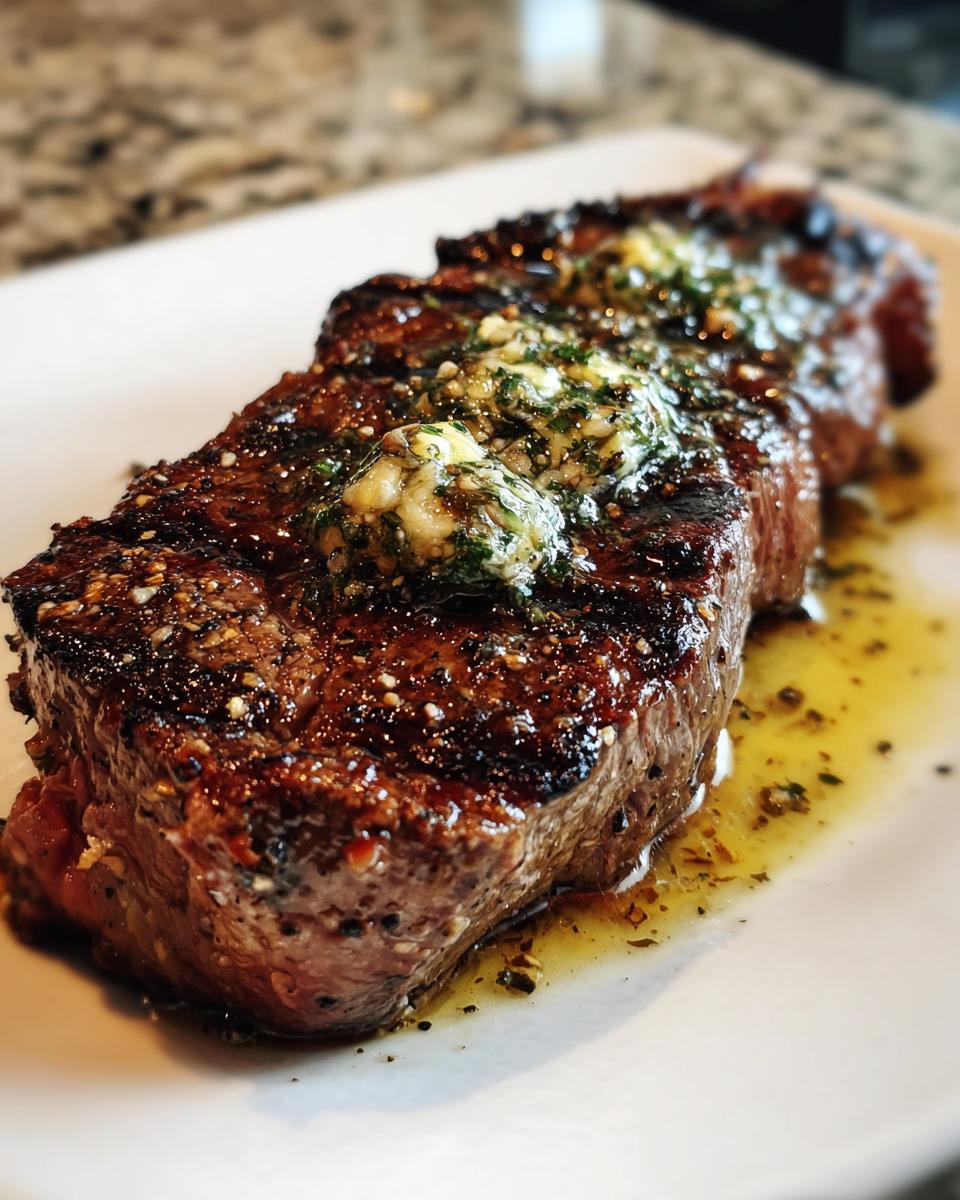
Essential Ingredients for the Perfect Texas Roadhouse Steak
You don’t need a huge grocery list or fancy imported spices to make a truly legendary Texas Roadhouse Steak. The magic really happens with balancing a few core items. We need four good steaks, some olive oil to help the seasoning stick, and then the butter mixture for finishing. That’s it!
The quality of your beef matters a lot here, though. We’re aiming for that recognizable texture, which means getting the cut and thickness right is just as important as the spices.
Selecting the Right Cut of Beef
I always insist on sirloin steaks about one inch thick for this recipe. If they are too thin, they cook way too fast, and you’ll never get that beautiful, dark crust before the inside turns gray. If you can find them slightly thicker, maybe an inch and a quarter, that’s even better for a perfect medium-rare center. Make sure you pat them bone-dry before seasoning—moisture is the enemy of a good sear!
Crafting the Signature Seasoning Blend for Texas Roadhouse Steak
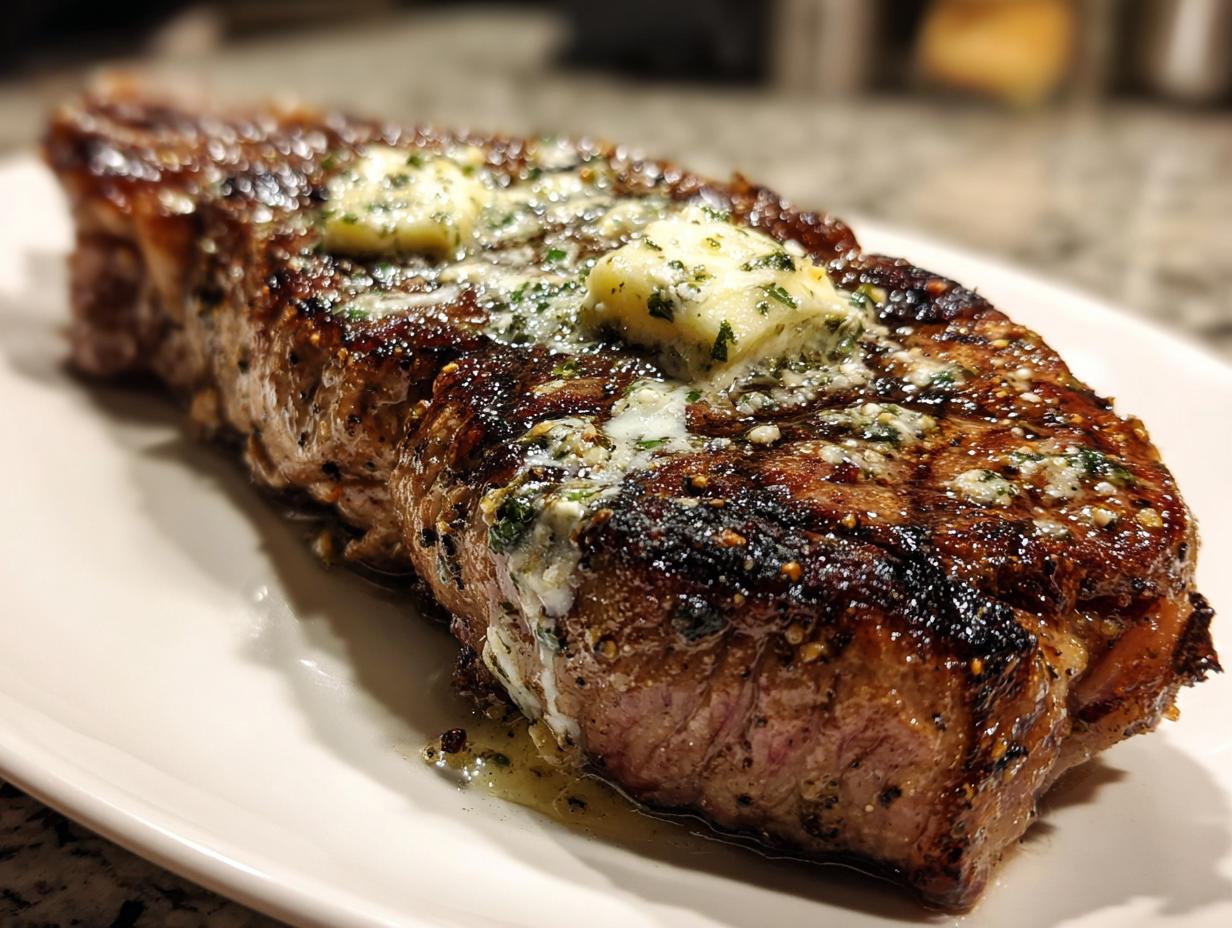
This is where the “legendary” part comes in! It’s not just salt and pepper, oh no. We mix brown sugar, kosher salt, pepper, garlic powder, onion powder, and smoked paprika. The brown sugar is key—it caramelizes beautifully on the hot surface, giving you that signature sweet-and-salty crust. Don’t skip the smoked paprika; it adds a wonderful background smokiness that mimics the grill even if you’re cooking inside!
Equipment Needed for Your Texas Roadhouse Steak
You don’t need a whole professional setup for this, but having the right tools makes a huge difference in getting that restaurant-quality sear. Seriously, ditch the cheap flimsy pans for this recipe. You need high, consistent heat transfer.
Here’s what I always pull out when I’m making these steaks:
- A heavy-bottomed cast-iron skillet or a very hot outdoor grill.
- A good set of tongs—don’t use a fork to flip your steaks, you’ll just pierce them and lose all those precious juices!
- A reliable instant-read meat thermometer. This is non-negotiable if you want perfect medium-rare every time.
- Paper towels for patting the steak dry.
Why a Cast-Iron Skillet Aids Authentic Searing
If you’re cooking inside, cast iron is your best friend. It holds heat like nothing else. When you throw a room-temperature steak onto that screaming hot surface, the pan temperature doesn’t drop drastically. That’s what allows the seasoning to instantly form a deep, dark crust—that Maillard reaction we all chase! A thin stainless steel pan just can’t maintain the heat needed for that authentic sear.
Step-by-Step Instructions for Incredible Texas Roadhouse Steak
Okay, now for the fun part! Following these steps precisely is how you transform a good piece of meat into a legendary Texas Roadhouse Steak. Don’t rush the tempering step, though—it makes a huge difference in how evenly they cook.
Preparation and Seasoning: Setting Up Your Texas Roadhouse Steak
First things first, get those steaks out of the fridge about 30 minutes before you plan to cook. We need them to come up to room temperature, or else the outside will burn before the center gets warm. Pat them really, really dry with paper towels. I mean bone-dry! Next, mix up your rub—that brown sugar, salt, pepper, and all those powders. Rub every side of the steak with a little olive oil first, just enough so the seasoning sticks well. Then, coat them generously with that spice blend, pressing hard so it adheres nicely. Don’t be shy with the coating!
Achieving the Perfect Sear on Your Texas Roadhouse Steak
Get your grill or cast-iron skillet ripping hot. I’m talking medium-high heat, about 500 degrees if you’re grilling. If you are using a grill to get those classic cross-hatch marks, place the steak at the 2 o’clock position and let it sit for 2 to 3 minutes without touching it. Then, pivot it to the 10 o’clock position for another 2 minutes. Flip the whole thing over and repeat those angles on the second side. If you’re using a skillet, just sear for about 4 to 5 minutes per side, flipping often for even browning. You are aiming for an internal temperature of 130 degrees Fahrenheit for medium-rare. Pull them off the heat a couple of degrees shy of your target, because they keep cooking!
The Essential Rest Period for Tender Steak
Once you hit that target temp, transfer the steaks immediately to a clean plate and tent them loosely with foil. You absolutely cannot skip this resting period—it needs to be at least five minutes, maybe even ten if they are thick! This resting time lets all those delicious juices, which have been pushed to the center by the heat, redistribute throughout the meat. If you cut it early, all that moisture runs out onto the plate, and you’re left with a dry steak. We want tender, juicy steak!
Finishing Touches: Making the Compound Garlic Butter
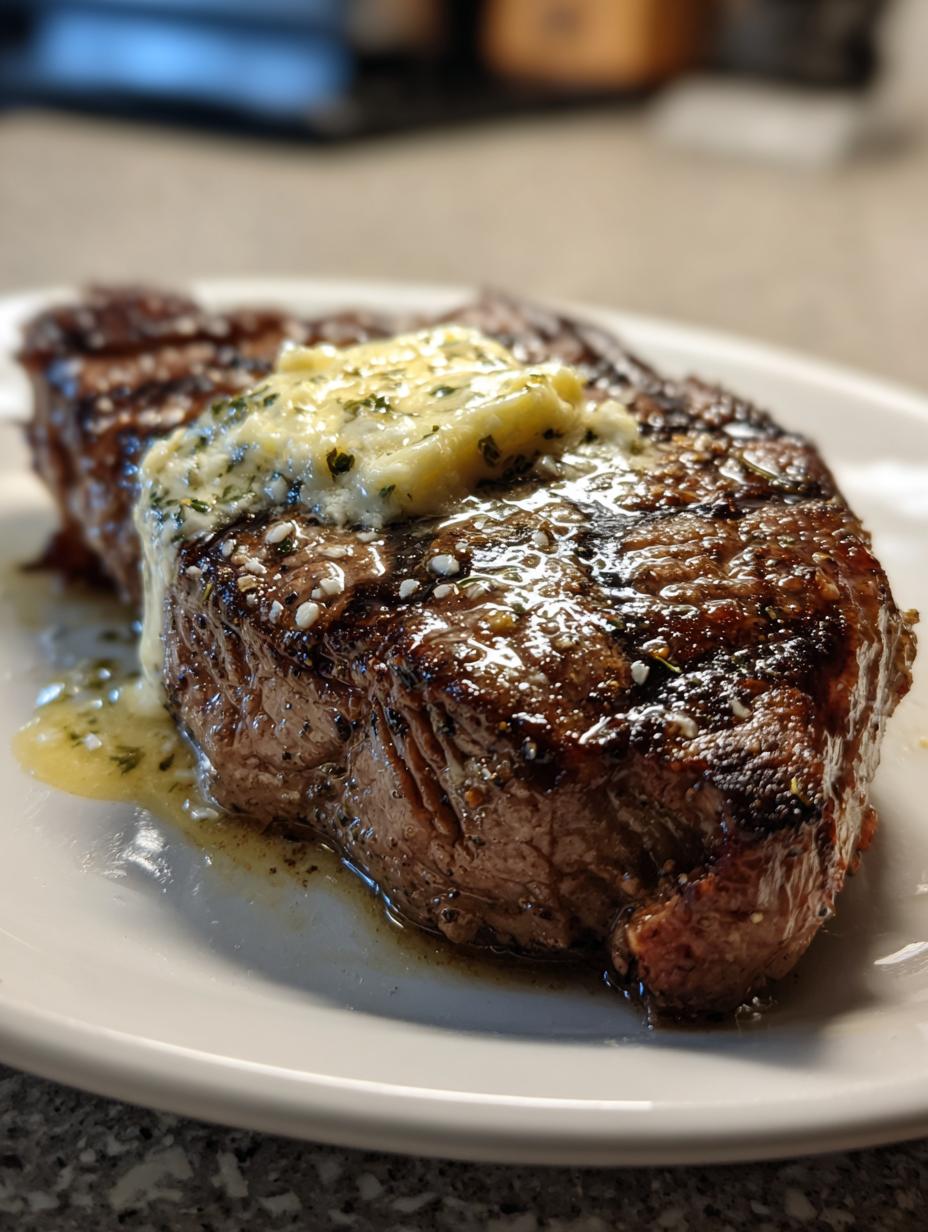
While the steaks are resting, quickly mix that softened butter with the minced garlic, fresh parsley, lemon juice, and just a tiny pinch of salt. It should look bright green and smell amazing. Once your five minutes are up, lay the steaks out and put a small spoonful of that garlic butter right on top of each warm steak. Watch it melt down the sides—that’s the final flavor bomb that makes this Texas Roadhouse Steak recipe truly special!
Tips for Success When Making Texas Roadhouse Steak
Getting that restaurant-quality sear can be tricky the first few times, but these tips have saved me from ordering takeout more times than I can count! The biggest secret to a consistently perfect Texas Roadhouse Steak isn’t just the rub; it’s controlling the heat and knowing when to pull it off the fire. Pay attention to these details, and you’ll be set!
Temperature Control Secrets for Texas Roadhouse Steak
If you take away only one thing from this whole recipe, let it be this: use a good instant-read thermometer. Guessing leads to overcooked, tough steak, and nobody wants that when they’re craving that tender sirloin texture. Since the seasoning has brown sugar, it can burn easily if the heat is too high for too long, so timing is everything.
Here’s the deal with temperatures: For medium-rare, you want to pull the steak off the heat when it reads 125°F to 130°F. Remember that carryover cooking I mentioned? The internal temperature will rise another 5 degrees while it rests under the foil. If you wait until it hits 130°F on the thermometer before resting, you’re probably going to end up with medium-well, and that’s just sad for a beautiful cut of beef. Always cook to temp, not to time, especially when aiming for that perfect Texas Roadhouse Steak finish!
Ingredient Notes and Substitutions for This Recipe
I always recommend sticking to the list because that specific blend of spices and the sugar is what gives this steak its unique profile, but I know life happens! If you’re missing something, don’t panic. We can make smart swaps without ruining the whole dinner.
For the beef, if you absolutely cannot find sirloin, a nice thick-cut New York Strip will work beautifully, though the flavor profile will change slightly. Avoid anything too lean like flank steak, as it just won’t hold up to the high-heat sear the same way.
The Seasoning Mix Adjustments
If you don’t have smoked paprika, just use regular paprika, but you might lose a little bit of that deep, smoky complexity. You can skip the brown sugar entirely if you are worried about burning, but trust me, the crust won’t be as authentic. If you do skip it, just add an extra half teaspoon of salt to compensate for flavor depth.
For the finishing butter, if you don’t have fresh parsley, dried parsley works fine in a pinch—just use about a third of the amount called for. The lemon juice is important for brightness, so if you don’t have fresh lemons, a tiny splash of bottled lemon juice is okay, but don’t overdo it!
Serving Suggestions for Your Homemade Texas Roadhouse Steak
Now that you’ve mastered the steak itself, we need to talk about the supporting cast! A great steak deserves great company on the plate. You can’t have a meal like this without the classic sides that make the whole experience feel authentic.
My go-to, hands-down choice is always a big, fluffy baked potato loaded with sour cream, chives, and cheddar cheese. If you bake it right, the inside is steamy and perfect for soaking up those buttery steak juices that run off the plate.
But if you want to feel like you actually walked into the restaurant, you need vegetables that are cooked with a little bit of love. Here are a few things I usually whip up while the steaks are resting:
- Sautéed Mushrooms and Onions: Cook these down in the same skillet you used for the steak (after wiping out the excess char!) with a little splash of beef broth. They soak up all that leftover flavor.
- Steakhouse Green Beans: I blanch fresh green beans until they are bright green, then toss them quickly in a hot pan with bacon fat or butter and a little garlic powder. They need a good snap to them—don’t let them get mushy!
- Seasoned Rice: If you want to copy the rice exactly, sauté some onion and garlic, add your uncooked rice, toast it for a minute, and then cook it in chicken broth instead of water. It makes such a difference!
Honestly, the simplicity of the sides lets that perfectly crusted steak be the star of the show. Don’t overcomplicate it!
Storing and Reheating Leftover Texas Roadhouse Steak
If you manage to have any leftovers—which is rare in my house—you want to treat them right! Reheating steak is tricky because it cooks really fast, and you don’t want to dry out that beautiful, tender interior we worked so hard to achieve. The goal when we save our Texas Roadhouse Steak is to gently bring it back up to temperature without re-searing it.
When storing, always let the steak cool down slightly before putting it in the fridge. Don’t leave it sitting out for hours for food safety reasons! Wrap it tightly in plastic wrap or place it in an airtight container. This keeps it from absorbing any weird fridge smells.
(Guidance Note: A simple table detailing 3-4 days storage in the fridge and up to 2 months in the freezer would go here in a real blog post.)
How to Properly Reheat Steak for Best Results
Forget the microwave; that’s the fastest way to turn your savory steak into shoe leather! The best method for reheating your leftover Texas Roadhouse Steak involves gentle, moist heat. I prefer using the oven or the stovetop with a liquid element.
If you’re using the oven, preheat it very low, around 275°F. Place the steak in an oven-safe dish and add just a splash of beef broth, water, or even a pat of butter to the bottom of the dish. Cover it tightly with foil. This creates a little steam bath that warms the meat gently. Let it warm up for about 10 to 15 minutes, checking the internal temperature until it hits about 115°F. You want it warm, not piping hot, to keep that juicy texture intact.
If you’re in a rush, you can use a skillet, but you must add liquid! Heat a skillet over medium-low heat. Add a teaspoon of butter or oil and a splash of broth. Place the steak in the pan and cover it immediately. Let it warm for just 2–3 minutes per side. This method works great because it gently warms the exterior while the steam keeps the inside from drying out. Remember, we’re reheating, not cooking it again!
Frequently Asked Questions About Texas Roadhouse Steak
I get so many messages asking about the details of this recipe, so I figured I’d just answer the most common things right here. If you’re worried about your grill setup or wondering if you can swap out a spice, check here first!
Here are the questions I hear most often about nailing that perfect Texas Roadhouse Steak copycat at home.
What is the Best Alternative to Grilling My Texas Roadhouse Steak?
If the weather is terrible, or you just don’t want to fire up the big grill, don’t worry! You can absolutely achieve that amazing crust using a cast-iron skillet, and honestly, I think some people even prefer the skillet method because the heat is so consistent across the entire surface. This is the best alternative for making a Texas Roadhouse Steak indoors.
The key difference is how you handle the sear. Instead of the angle turning on the grill, you need high, high heat on the skillet—preheat it for a full five minutes until it’s smoking slightly. You’ll use the olive oil first, then place the seasoned steak down. Sear it for about 4 to 5 minutes per side. You might need to flip it a couple of times during that searing process to ensure even browning since the heat source is directly underneath the entire steak. Keep an eye on your thermometer, because cooking times will be slightly different than on an open flame!
Q. Why does my steak seasoning keep falling off?
That usually means the steak wasn’t dry enough or you didn’t use enough oil to act as the glue! Make sure you pat the steaks completely dry with paper towels first. Then, rub them lightly with oil before you press that brown sugar rub on. Press hard so it really adheres before it hits the heat.
Q. Can I use regular salt instead of kosher salt?
You can, but you need to be careful with the measurements! Kosher salt crystals are larger and lighter than standard table salt, so if you substitute one-for-one, your steak will end up way too salty. If you must use table salt, start with half the amount listed and taste the rub before applying it to your sirloin.
Q. Is the brown sugar really necessary for this copycat recipe?
Yes, yes, and yes! Seriously, this is the secret ingredient that separates a good seared steak from a Texas Roadhouse Steak copycat. The sugar caramelizes under the high heat, forming that dark, slightly sweet, crunchy crust that defines their flavor. Don’t skip it!
Estimated Nutritional Data for Texas Roadhouse Steak
I always get asked about the numbers when people try to eat healthier, and I totally get it! While this recipe delivers amazing flavor, remember that we are dealing with a rich cut of beef and a decadent butter topping. These numbers are great approximations based on the sirloin and the butter mixture, but they are just estimates, naturally!
If you are tracking macros, know that the majority of the fat comes from that glorious compound butter we melt on top right at the end. If you wanted to lighten up the overall meal, you could easily skip the butter topping, though I wouldn’t recommend it for your first time making the legendary Texas Roadhouse Steak!
Here is the breakdown per serving:
- Calories: Around 420 (This is for the steak plus the butter topping!)
- Fat: Approximately 28 grams
- Protein: A whopping 39 grams—great for feeling full!
- Carbohydrates: Very low, about 3 grams, mostly from the spice rub.
Since these are based on an 8-ounce sirloin cooked medium-rare, your exact numbers might vary depending on the trim you buy and how much butter you decide to spoon on top. Enjoy this incredible, flavor-packed Texas Roadhouse Steak!
If you want to see more behind-the-scenes looks at how I develop these recipes, check out my Medium profile, or follow my recipe boards on Pinterest!
Print
Amazing 20-Minute Texas Roadhouse Steak
- Total Time: 20 minutes
- Yield: 4 servings 1x
- Diet: N/A
Description
Make juicy Texas Roadhouse-style steak at home! Learn the restaurant’s “legendary” cooking method for perfectly seared, tender, and flavorful sirloin every time.
Ingredients
- 4 sirloin steaks (8 ounces each, about 1 inch thick)
- 2 tablespoons olive oil
- 1 tablespoon brown sugar
- 1 tablespoon kosher salt
- 1 teaspoon black pepper
- 1 teaspoon garlic powder
- 1 teaspoon onion powder
- ½ teaspoon smoked paprika
- 4 tablespoons unsalted butter, softened
- 1 garlic clove, finely minced
- 1 teaspoon chopped fresh parsley
- ½ teaspoon lemon juice
- Pinch of salt
Instructions
- Remove steaks from the refrigerator and let sit at room temperature for 30 minutes. Pat dry with paper towels to remove excess moisture.
- In a small bowl, combine brown sugar, salt, pepper, garlic powder, onion powder, and paprika. Mix well.
- Rub olive oil on both sides of each steak, then coat evenly with the seasoning mixture, pressing gently so it adheres.
- Heat a grill or cast-iron skillet to medium-high (about 500°F for a grill or preheated for 5 minutes on the stove).
- For grill marks, place the steak at the “2 o’clock” position on the grill for 2–3 minutes, then turn to “10 o’clock” and cook another 2 minutes. Flip and repeat on the other side. For a skillet, sear for 4–5 minutes per side, flipping often for even browning, until the internal temperature reaches 130°F for medium-rare or 140°F for medium.
- Transfer steaks to a plate and cover loosely with foil. Let rest for at least 5 minutes to allow juices to redistribute.
- Mix butter, garlic, parsley, lemon juice, and a pinch of salt in a small bowl. Spoon a small pat on each steak while still warm so it melts over the top.
- Slice and serve with seasoned rice, sauted mushrooms, or a baked potato for a complete Texas Roadhouse-inspired meal.
Notes
- For food safety, cook steaks to at least 145°F and let rest for 3 minutes before serving.
- Prep Time: 10 minutes
- Cook Time: 10 minutes
- Category: Main Course
- Method: Grilling or Pan-Searing
- Cuisine: American
Nutrition
- Serving Size: 1 steak
- Calories: 420
- Sugar: N/A
- Sodium: N/A
- Fat: 28g
- Saturated Fat: N/A
- Unsaturated Fat: N/A
- Trans Fat: N/A
- Carbohydrates: 3g
- Fiber: N/A
- Protein: 39g
- Cholesterol: N/A