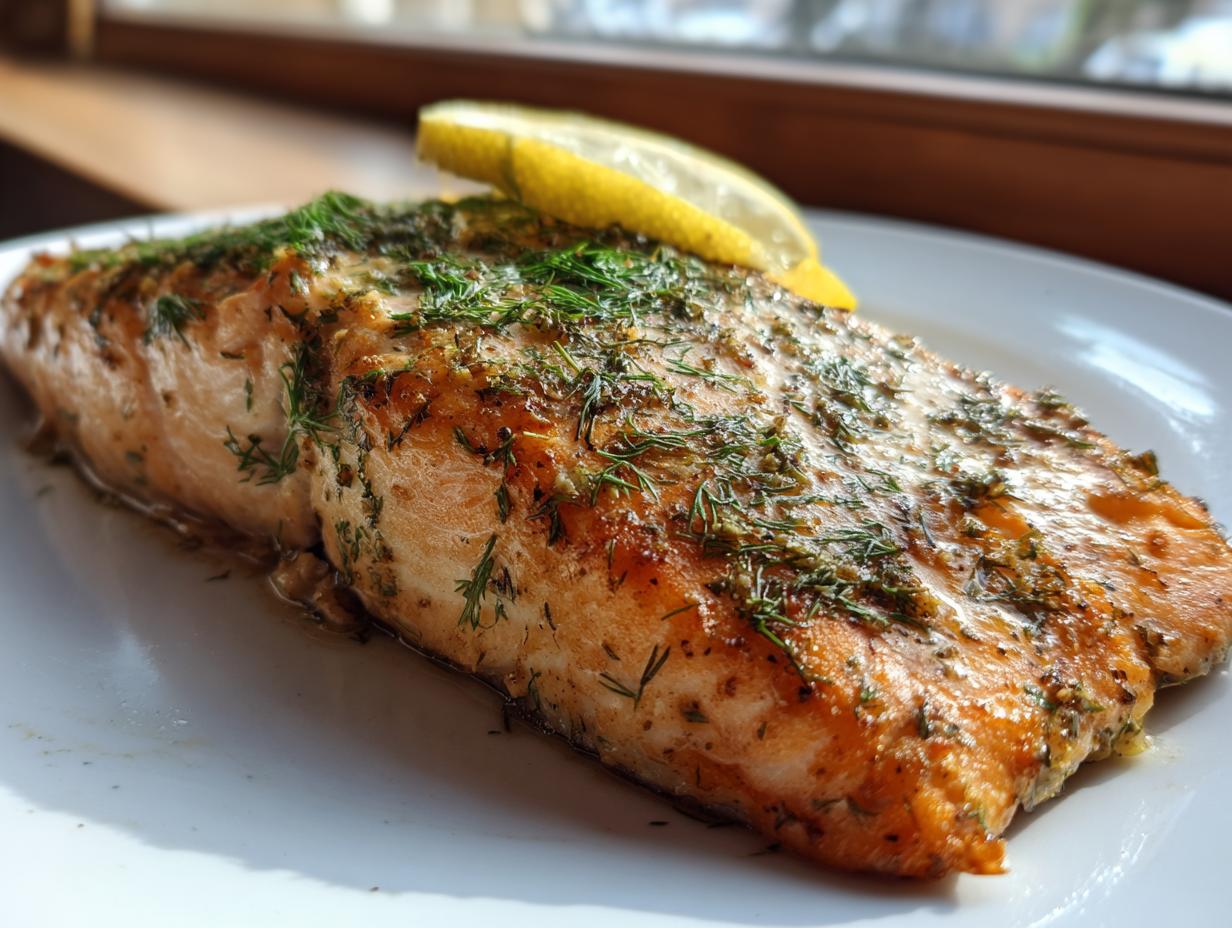
If you, like me, have ever battled dry, sad salmon fresh out of the oven, then you are in the right place! I promise you, this method for oven poached salmon is a total game-changer. Forget everything you think you know about baking fish; this technique steams the salmon gently in its own flavorful juices.
I used to overcook salmon all the time. It just seemed impossible to get that beautiful, flaky texture without drying out the edges. But once I started poaching it low and slow in a covered dish with a little liquid, everything changed. This lemon dill version is my absolute favorite because the steam keeps everything incredibly moist.
Seriously, the results are restaurant-quality tender every single time. It’s so simple, you’ll wonder why you ever bothered with pan-searing!
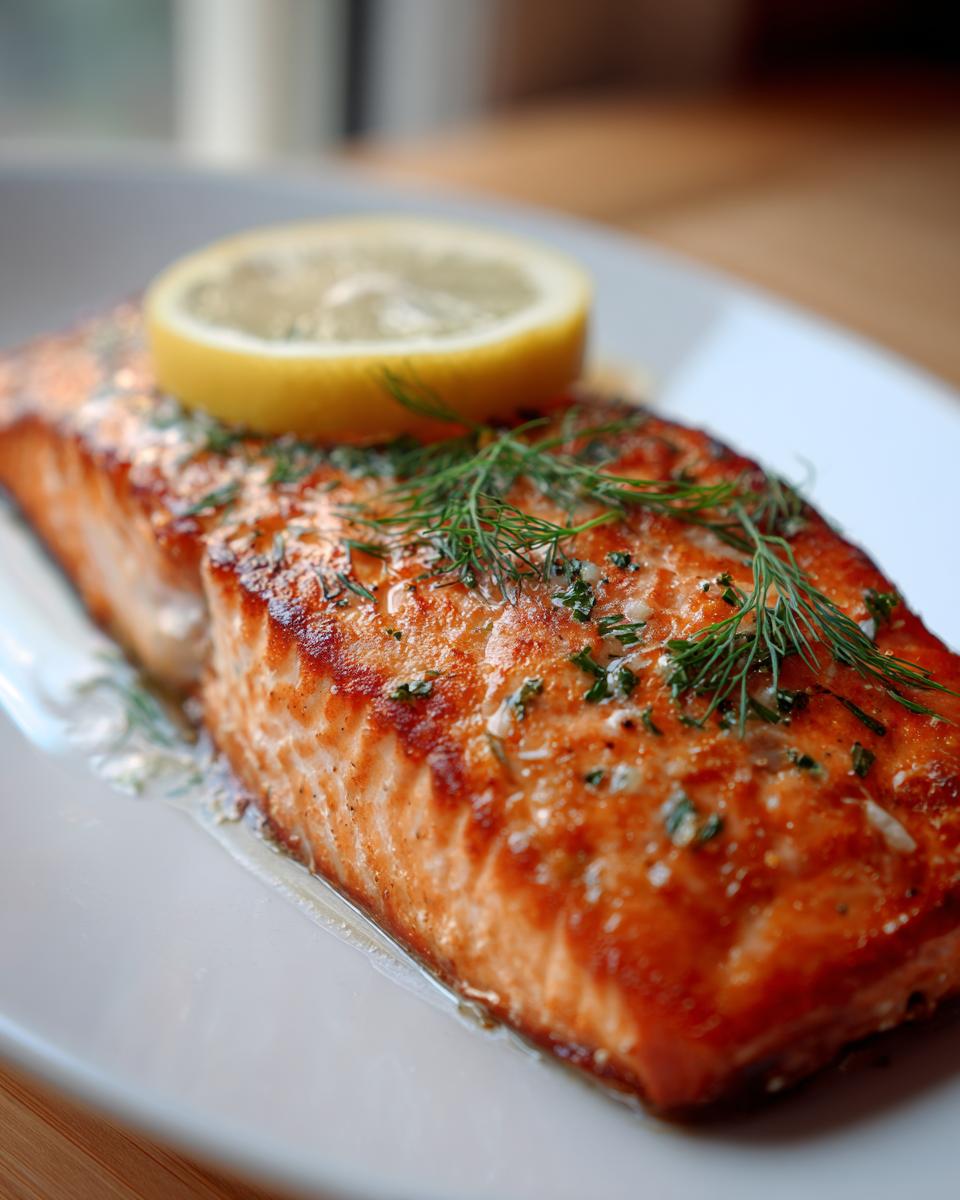
Essential Ingredients for Oven Poached Salmon
The beauty of this recipe for oven poached salmon is how few ingredients you actually need. That tells you the technique is doing most of the heavy lifting, which I love! But just because the list is short doesn’t mean we can slack on quality. We want bright flavors here, since we aren’t drowning the fish in heavy sauces.
When you gather your supplies, make sure you have a nice, sturdy baking dish ready. We’ll need that for layering everything up later on. I always lay my ingredients out on the counter first, just like Grandma taught me. It makes the assembly process lightning fast!
Here is what you need on hand. Don’t skip the fresh herbs; dried just won’t give you the same aromatic punch!
- 1\u00bd pounds salmon fillets, about 1 inch thick
- 1 tablespoon olive oil
- 1 teaspoon kosher salt
- \u00bd teaspoon black pepper
- 1 lemon, thinly sliced
- 4 sprigs fresh dill, plus more for garnish
- \u00bd cup water or vegetable broth
Selecting Your Salmon Fillets
For this method to really shine, the thickness of your salmon matters. You’re aiming for fillets about one inch thick. If they are super thin, they’ll cook way too fast and might dry out before the poaching steam really sets in. If you can, try to buy center-cut pieces because they hold together better than the tail pieces.
I always try to get wild-caught if it’s available, but honestly, good quality farm-raised works great too, especially when you are poaching it gently like this. The key is to pat it completely dry before seasoning. Moisture on the outside prevents the salt and pepper from really sticking nicely!
Flavor Components and Steaming Liquid
The lemon and dill are the stars here, complementing the natural flavor of the salmon instead of covering it up. Thin slices of lemon work better than wedges because they lay flat against the fish, infusing flavor constantly. And please, use fresh dill! Those little feathery sprigs release the best scent when they hit the heat.
Now, for the poaching liquid—this is crucial! We use just a half-cup of water or broth. This liquid doesn’t cook the salmon directly; it evaporates under the foil to create a humid little sauna. That steam is what keeps the oven poached salmon incredibly tender and flaky. Broth adds a tiny bit more savory depth, but water works just fine if that’s what you have!
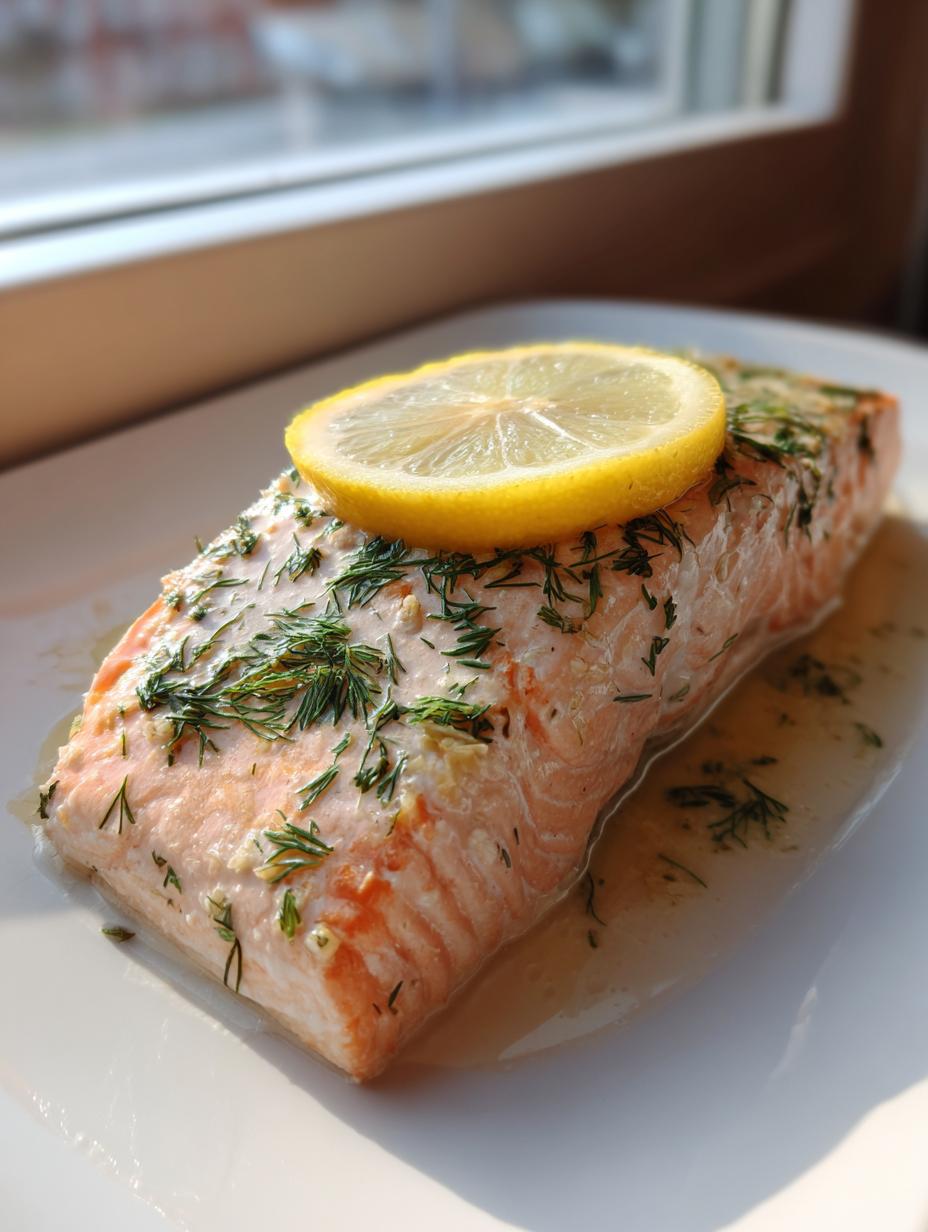
Equipment Needed for Your Oven Poached Salmon
You don’t need fancy gadgets for this recipe, which is part of why I love it so much! It’s all about simple tools that help us create that perfect steamy environment. Having these things ready means we can get this fish in the oven in under ten minutes.
Make sure you have these few things handy before you start prepping your fish:
- A sturdy baking dish, big enough for the salmon to lay in a single layer.
- Aluminum foil—this is non-negotiable! It seals in all that steam.
- A pastry brush or silicone brush for oiling the pan.
- A reliable instant-read thermometer if you want to be absolutely sure about doneness.
Step-by-Step Guide to Oven Poached Salmon
Okay, let’s get cooking! This is where the magic happens, and trust me, it moves fast once you have your ingredients ready. We are aiming for flaky, moist perfection with this oven poached salmon, and the steps are incredibly straightforward. Pay close attention to the temperature—that’s the secret weapon here.
Preparing the Dish and Seasoning the Fish
First things first, get that oven warmed up to 325°F. We need a gentle, steady heat for poaching, not a roaring hot blast. Next, grab your baking dish. Give it a light brush all over with the olive oil. This stops the fish from sticking, which is important when you try to scoop out those beautiful fillets later!
Here’s a step I never skip: Pat your salmon pieces completely dry with paper towels. Seriously, pat them until they feel dry to the touch. Then, season both sides—top, bottom, and edges—with the kosher salt and black pepper. Don’t be shy with the salt; it really helps draw out the flavor.
Building the Poaching Environment
Now we build our flavor bed right in the oiled dish. Take those thin lemon slices and lay them down first. They should cover the bottom area where the fish will sit. Next, place your fresh dill sprigs right on top of the lemons. They’ll infuse the steam beautifully. Don’t worry if the dill looks a little messy; it’s just there to make everything smell divine while it cooks.
Carefully place your seasoned salmon fillets right on top of the dill and lemon layer, making sure the skin side is down against the bottom of the dish. This keeps the delicate flesh from sticking to the bottom layer too much. Now, pour in your half-cup of water or broth around the edges of the fish. See how it pools at the bottom? That’s our poaching steam waiting to happen!
The Poaching Process and Checking Doneness
This next step is critical for trapping that moisture: Cover the entire dish tightly with aluminum foil. You need a good seal so none of that delicious steam escapes! Pop the whole thing gently into the preheated oven.
For standard one-inch thick fillets, set your timer for 15 minutes. If your pieces are thicker, maybe bump that up to 20 minutes. When the timer goes off, you need to check for doneness. Carefully lift a corner of the foil—watch out for hot steam escaping! Use a fork to gently test the thickest part of the fillet. If it flakes apart easily without any resistance, it’s done. If you like to use a thermometer, you are aiming for 145°F internally. That guarantees safe eating and perfect texture for your oven poached salmon.
Resting and Finishing the Oven Poached Salmon
Once it hits that perfect temperature, take the dish out of the oven immediately. Don’t leave it in there! Take the foil off completely. Let the salmon rest right there in the warm dish for about five minutes. This resting time lets the juices redistribute, making the fish even more tender.
When you’re ready to serve, gently lift the fillets out with a wide spatula. Give it a final flourish with a sprinkle of fresh, chopped dill right on top. A tiny squeeze of fresh lemon juice over the top right before serving just brightens everything up. Enjoy that perfect, flaky result!
Expert Tips for Flawless Oven Poached Salmon
Even though this method for oven poached salmon is nearly foolproof, a few little tricks can take it from great to absolutely unforgettable. My main focus when cooking fish is always moisture retention. Nobody wants dry fish, right? So, we need to respect the gentle heat and the steam we worked so hard to create under that foil.
If your salmon seems a little hesitant to flake nicely, it usually means one of two things: either your oven wasn’t quite hot enough when you put it in, or you took it out too late. Trust me, a couple of extra minutes in the oven can make a huge difference when dealing with delicate protein like this.
Temperature Control and Timing Variations
Remember, 325°F is our sweet spot for poaching. If you try to rush it at 400°F, you’ll just end up baking the fish aggressively before the steam has a chance to work its magic. The timing is directly tied to thickness. If you have those beautiful, thick two-inch center cuts, you might need closer to 25 minutes under the foil. Always rely on that internal temperature check—145°F—rather than just the clock. That thermometer is your best friend for perfect oven poached salmon every time.
Ingredient Swaps for Different Flavors
While lemon and dill are my go-to combination, this poaching method is super versatile! If you want a slightly different vibe, try swapping the dill for fresh thyme sprigs. Thyme gives it a lovely earthy note that pairs well if you’re serving it with roasted root vegetables. For other light dinner ideas, check out this simple healthy orzo weeknight meal.
For the liquid, skip the water and use dry white wine—like a Sauvignon Blanc—for an extra layer of bright acidity in the steam. Just be sure to use the same amount! You can also throw in a couple of thin slices of shallot along with the lemon for a milder onion flavor. These small changes let you customize your oven poached salmon without messing up the gentle cooking process.
Storing and Reheating Your Leftover Oven Poached Salmon
If you are lucky enough to have any oven poached salmon left over—which is rare in my house!—you need to treat it gently when storing and reheating it. This fish is so moist when fresh, but it can dry out easily if you aren’t careful with leftovers.
First, cool it down quickly. Once it’s at room temperature, transfer the salmon to an airtight container. It will keep safely in the refrigerator for up to three days. Don’t leave it sitting out for more than two hours, please!
When you want to reheat your oven poached salmon, forget the microwave unless you really want rubbery fish. The best way to bring back that flaky texture is to reheat it very gently. Place the cold salmon in a small, oven-safe dish, add just a tiny splash of water or broth—maybe a teaspoon—and cover it tightly with foil again. Heat it in a 275°F oven for about 10 minutes until warmed through. That little bit of extra steam prevents any dryness!
Frequently Asked Questions About Oven Poached Salmon
I get so many questions about this method, which just proves how many people struggle with dry fish! I’m happy to share what I’ve learned over the years to make sure your oven poached salmon turns out perfectly moist every time.
Here are a few things I hear often:
Can I use frozen salmon for Oven Poached Salmon?
Yes, you absolutely can use frozen salmon, but you must thaw it properly first. Never try to poach frozen fish straight from the freezer! It will cook unevenly, and the outside will turn mushy while the center is still icy. I always transfer the salmon from the freezer to the refrigerator the night before I plan to cook it. Once it’s fully thawed, pat it dry just like you would with fresh fillets before seasoning and cooking.
What is the best internal temperature for Oven Poached Salmon?
This is the most important question for safety and texture! For oven poached salmon, you are aiming for an internal temperature of 145°F when checked at the thickest part of the fillet. If you pull it out right around 140°F, it will continue to cook slightly while resting, which is actually ideal. If you go past 150°F, you risk drying out those beautiful flakes we worked so hard to achieve!
Q. Do I have to use foil?
Oh yes, you do! The foil creates the sealed environment necessary to trap the water vapor. Without the foil, you are just baking the salmon, and it will dry out quickly. The foil traps the steam, which is what makes this an oven *poaching* method rather than just baking.
Q. Can I cook different types of fish using this method?
You can! This low, slow steam works wonders for cod or halibut too. Just remember that thinner fillets require less time, so always check them early. The principle of gentle steam works great for most firm white fish. For more recipe ideas, check out my posts on Medium.
Understanding the Nutrition of Oven Poached Salmon
One of the best parts about making oven poached salmon this way is that it’s incredibly healthy! Since we aren’t using much added fat—just a tiny bit of olive oil—and we aren’t drowning it in a creamy sauce, you get all the benefits of the fish without the heavy guilt.
Salmon is packed with those good fats, and this method preserves so much of its natural goodness. It’s high in protein, which keeps you feeling full and satisfied after a light meal. It’s the perfect centerpiece for a healthy dinner when you want something that feels elegant but is secretly super good for you.
I always check the macros before I serve it, just to make sure I’m balancing out the rest of the plate. Here’s a look at what you can generally expect from a serving of this delicious, moist fish. If you are looking for other healthy dinner options, consider this lemon chicken orzo dinner.
Estimated Nutritional Breakdown
Based on the ingredients used in the recipe above, here is what you can plan for per serving. Since we are poaching, the fat content stays nice and controlled!
- Calories: Approximately 300
- Fat: Around 13g
- Protein: A fantastic 37g
- Carbohydrates: Less than 1g
Share Your Experience Making Oven Poached Salmon
Now it’s your turn to try this simple technique! I truly hope this method gives you the moist, flaky salmon you’ve always dreamed of. Seriously, let me know how it goes! You can see more of my favorite recipes on Pinterest.
If you make this, please leave a quick star rating below and tell me in the comments if you added any of your own favorite herbs. Seeing your success stories really makes my day!
Print
Amazing Oven Poached Salmon in 15 Minutes
- Total Time: 25 minutes
- Yield: 4 servings 1x
- Diet: Low Fat
Description
This lemon dill oven poached salmon stays moist, flaky, and tender. A simple, foolproof method using lemon, dill, and a touch of water for perfect results every time.
Ingredients
- 1½ pounds salmon fillets, about 1 inch thick
- 1 tablespoon olive oil
- 1 teaspoon kosher salt
- ½ teaspoon black pepper
- 1 lemon, thinly sliced
- 4 sprigs fresh dill, plus more for garnish
- ½ cup water or vegetable broth
Instructions
- Set oven to 325°F. Lightly oil a baking dish large enough to fit the salmon fillets in one layer.
- Pat the salmon dry with paper towels. Brush both sides with olive oil and season with salt and pepper.
- Lay lemon slices and dill sprigs in the bottom of the baking dish. Place salmon fillets skin-side down on top.
- Pour water or broth into the dish to create steam while baking. Cover tightly with aluminum foil.
- Cook for 15–20 minutes, depending on thickness, until the salmon flakes easily with a fork or reaches an internal temperature of 145°F.
- Remove from oven, uncover, and let rest 5 minutes before serving. Garnish with chopped fresh dill and additional lemon slices if desired.
Notes
- Cook salmon to an internal temperature of 145°F for safe consumption.
- Prep Time: 5 minutes
- Cook Time: 20 minutes
- Category: Main Dish
- Method: Baking (Poaching)
- Cuisine: American
Nutrition
- Serving Size: 1 serving
- Calories: 300
- Sugar: N/A
- Sodium: N/A
- Fat: 13g
- Saturated Fat: N/A
- Unsaturated Fat: N/A
- Trans Fat: N/A
- Carbohydrates: 1g
- Fiber: N/A
- Protein: 37g
- Cholesterol: N/A