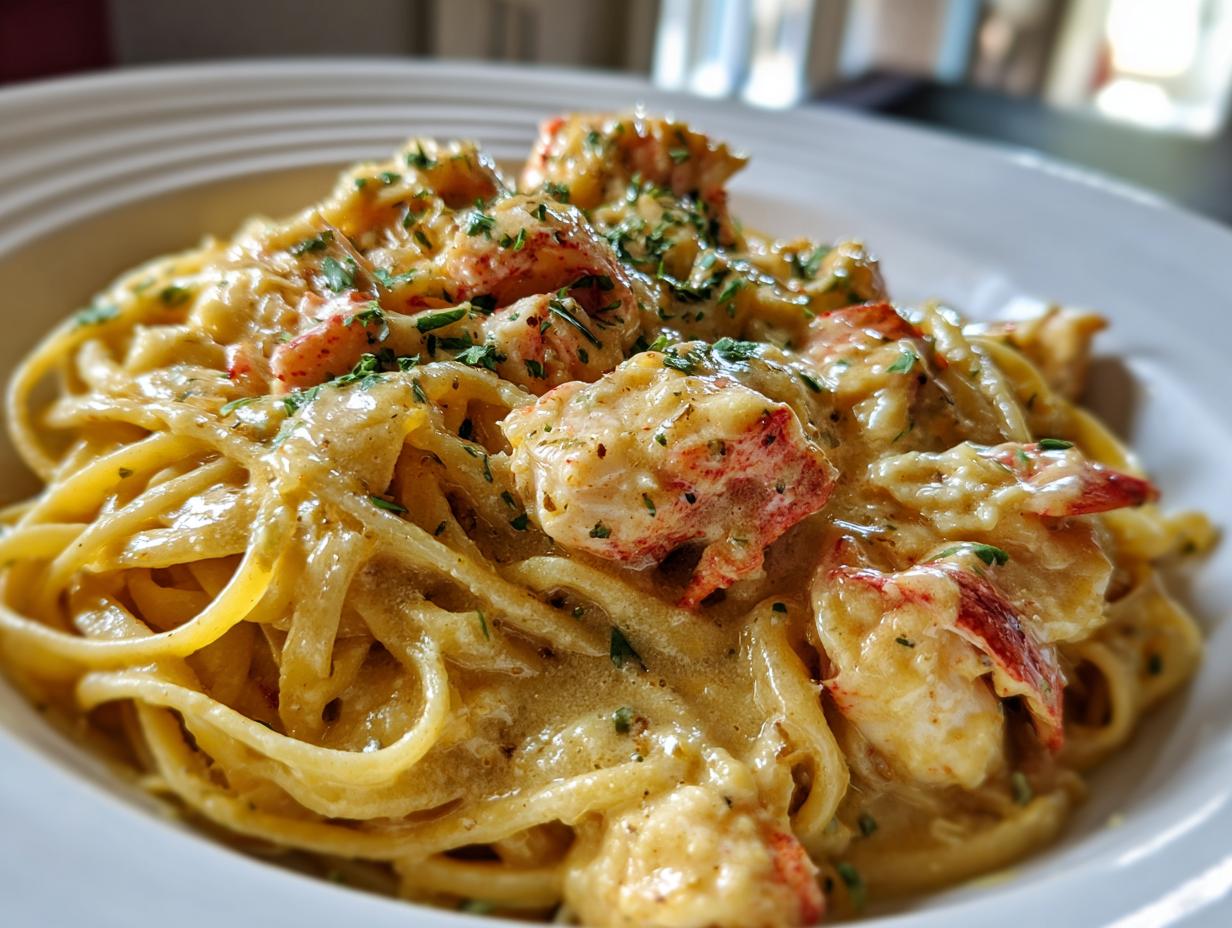
If you think a show-stopping, restaurant-quality meal like creamy garlic **lobster pasta** is reserved only for fancy date nights, I’m here to completely change your mind! Seriously, this dish looks like it took hours of fussing, but I promise you, we’re talking about a decadent, elegant dinner ready on the table in under an hour. That’s my specialty, you know—taking those intimidating ingredients and making them totally doable for a Tuesday night.
I’ve spent years trying to perfect seafood sauces because, let’s be honest, lobster deserves the best backdrop. This version uses fresh Parmesan, a bright hit of lemon, and just enough garlic to make your kitchen smell heavenly while it simmers. Forget takeout; this is the **lobster pasta** recipe you’ll want to keep forever. It’s truly luxurious but surprisingly fast to pull together. Just grab your tails and let’s get cooking!
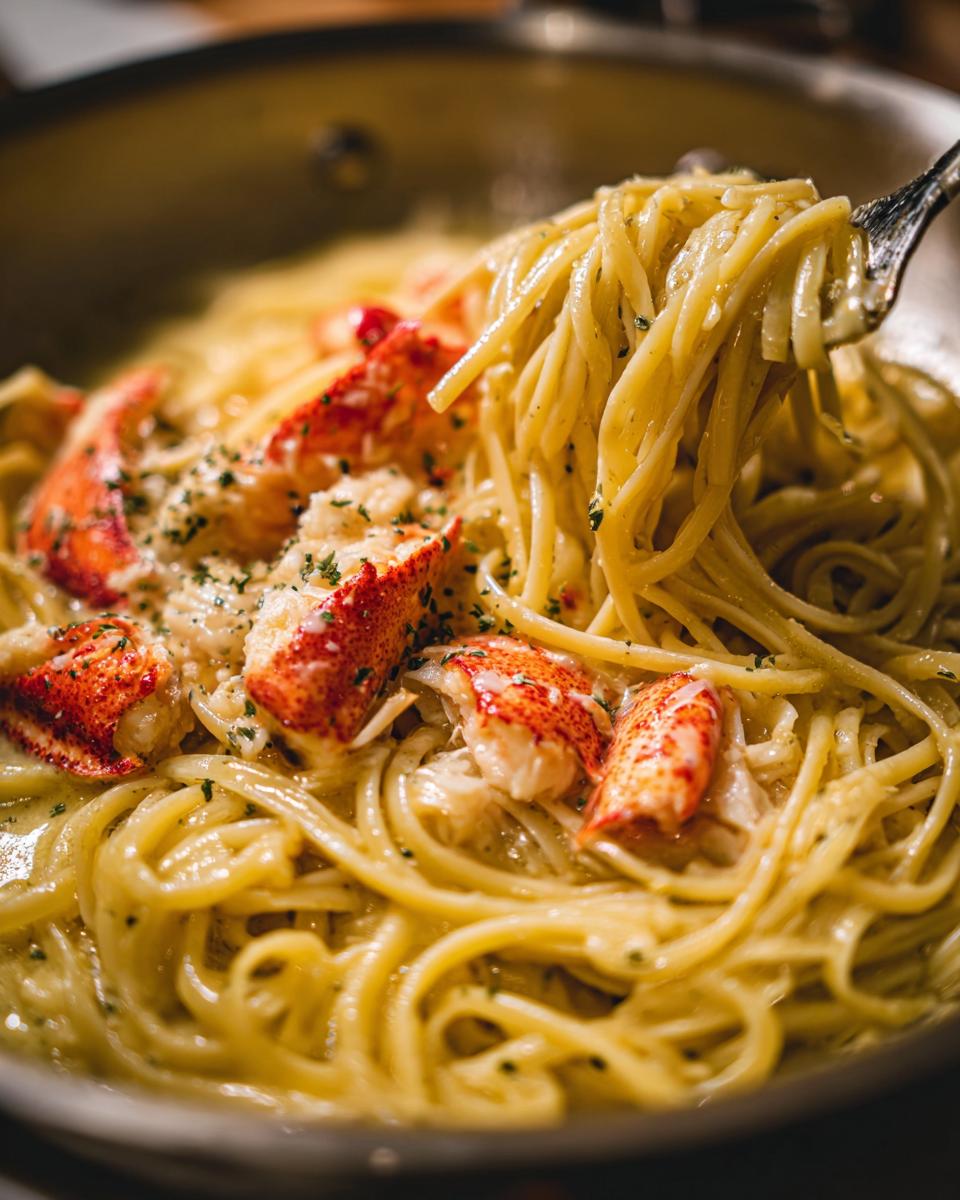
Essential Ingredients for Perfect Lobster Pasta
Okay, let’s talk turkey—or should I say, let’s talk lobster! The beauty of this **lobster pasta** is that it relies on high-impact, quality ingredients rather than a huge shopping list. Since the lobster is the star, you want to make sure it’s perfect. Don’t sweat the rest; they are mostly pantry staples that pull everything together into that gorgeous, creamy sauce.
I’ve listed everything you need in the table above, but I want to spend just a moment telling you what I look for when I’m shopping for this dish. Trust me, ingredient quality makes all the difference when you’re keeping the recipe simple!
Gathering Your Lobster Pasta Components
For this recipe to truly sing, you need two things done right: the lobster and the Parmesan. If you can swing it, fresh lobster tails are always going to give you the best texture and flavor. If you use frozen, make sure you thaw them properly overnight in the fridge—never on the counter!
Also, please, please, please use freshly grated Parmesan cheese. The pre-grated stuff has anti-caking agents that make your sauce grainy instead of silky smooth. It takes an extra minute with the microplane, but it’s non-negotiable for that restaurant-quality finish. The shallot is another quiet hero here; it adds a delicate onion base that’s much softer than regular onion.
Quick Equipment Check for Making Lobster Pasta
You don’t need a million pots and pans for this elegant dish, thankfully! Because we’re moving quickly, having the right setup makes things smooth. You’ll definitely want a big pot for boiling that pasta and cooking the lobster tails. Then, grab your largest skillet—we build the sauce right there, so make sure it’s big enough to hold all the pasta later!
A good sharp knife and cutting board are essential for chopping the garlic and shallots. Oh, and don’t forget a microplane or a fine grater for that Parmesan; you won’t regret it!
Step-by-Step Instructions for Your Lobster Pasta
This is where the magic happens, and honestly, it flies by! Because we are multitasking—boiling water, cooking the lobster, and making the sauce all around the same time—stay organized. If you have a helper, this is the time to put them to work chopping garlic! If you want to see more quick dinner ideas, check out my sheet pan salmon.
Remember the goal: elegant flavor in under an hour. Don’t rush the simmering stage for the sauce, but move quickly when it comes to the pasta and lobster prep. Here is exactly how I tackle this beautiful **lobster pasta** from start to finish.
Preparing and Cooking the Lobster Meat
First things first: water. Get a big pot of water on high heat and get it salted well—it should taste like the ocean! When it’s at a rolling boil, gently drop in those beautiful lobster tails. Timing is everything here. You only need about 6 to 7 minutes. You’ll know they are done because the shells turn that brilliant, aggressive red color, and if you peek at the meat, it should look totally opaque, not translucent at all.
Once they are cooked, use tongs to pull them out and set them on a plate for just a minute to cool down enough so you don’t burn yourself. Then, take a sturdy pair of kitchen shears or a sharp knife and carefully split those shells open. Scoop that sweet meat right out and chop it into nice, manageable, bite-sized pieces. Don’t throw away that cooking water yet! That starchy water is liquid gold for our sauce later, so make sure you reserve at least a half cup before you drain the pasta.
Building the Rich Parmesan Cream Sauce for Lobster Pasta
Now, move over to your large skillet. We’re going to build flavor fast! Drizzle in the olive oil and turn the heat to medium. Toss in your minced garlic, the finely chopped shallot, and if you like a little kick, your red pepper flakes. You only want to cook these for about 1 to 2 minutes until you can really smell them—that’s your cue! Don’t let the garlic burn, or the whole sauce will taste bitter, and we can’t have that in our fancy **lobster pasta**.
Once they are fragrant, immediately pour in the chicken or seafood broth and the heavy cream. Let that mixture bubble gently and simmer for about 5 or 6 minutes. You’ll notice it starting to thicken up slightly; that’s the cream reducing, which concentrates the flavor. Once it coats the back of a spoon nicely, turn the heat down low. This is when you whisk in the fresh Parmesan cheese, the butter, and that essential splash of bright lemon juice. Taste it now! Season with salt and black pepper until it tastes exactly how you want it to taste. It should be rich, savory, and just a little tangy from the lemon.
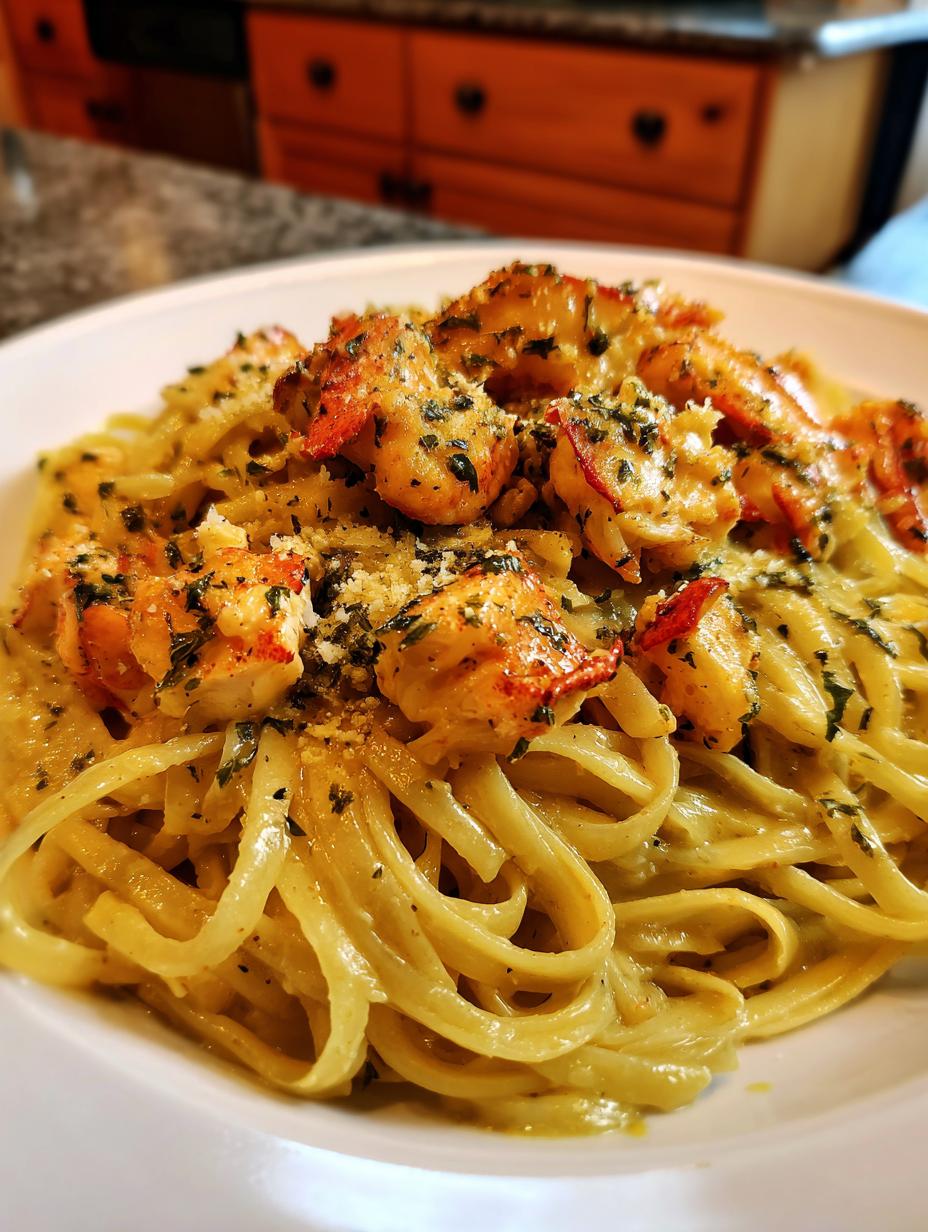
Combining Pasta, Sauce, and Lobster
Okay, while your sauce is simmering, your pasta should be finishing up. Drain your linguine (after saving that precious water!) and get it right into the skillet with the sauce. Now, add your chopped lobster meat. You only want to cook the lobster in the sauce for about 2 or 3 minutes—that’s just long enough to warm it through. If you cook it longer, it gets tough, and nobody wants chewy lobster!
This is the absolute best part, and where most people mess up the texture: toss everything together gently. If the sauce looks too thick or if it seems like it’s clinging too much to the pasta, grab that reserved pasta water and add a splash, maybe two, stirring constantly. That starchy water helps the sauce emulsify, meaning it turns silky and glossy instead of clumpy. That’s my secret to that perfect, restaurant-worthy sheen! Once everything is coated beautifully, sprinkle generously with fresh parsley and serve it immediately. Enjoy that perfect seafood pasta!
Tips for Success Making Restaurant-Quality Lobster Pasta
Achieving that restaurant-quality feel in your kitchen is all about respecting the ingredients and timing. My biggest piece of advice, which I mentioned before, is to never skip grating your own Parmesan cheese. That powder in the shaker just won’t melt correctly into the sauce; you need the real deal for that smooth, velvety coating on the linguine.
Also, watch your heat when adding the lobster meat back in at the very end. You are just warming it up, not re-cooking it! If you let that sauce boil hard once the lobster is in, you risk making the meat stringy. Finally, remember the reserved pasta water is your secret weapon for adjusting consistency. If the sauce looks too tight, add just a tablespoon at a time until it flows perfectly over the pasta. It’s that simple! For more tips on making great meals, follow my writing on Medium.
Ingredient Notes and Substitutions for Lobster Pasta
I know sometimes you can’t find exactly what’s listed, and that’s okay! We can tweak this **lobster pasta** recipe without losing any of that luxurious flavor. The broth is the most flexible component here. If you can’t find seafood broth, good quality low-sodium chicken broth works just fine. Just make sure it’s low sodium because we are adding Parmesan, which brings plenty of saltiness!
Also, don’t panic if you only have salted butter; just skip adding extra salt until the very end when you taste the sauce. The key takeaway is that while we can substitute the liquid base, we can’t really substitute the fresh Parmesan or the lemon juice—those brightness elements are crucial for cutting through the richness of the cream.
Choosing the Right Pasta Shape
I used linguine in the recipe because its flat, medium width is perfect for catching that rich cream sauce on its surface. Fettuccine is a close second and works beautifully, too—it’s just slightly wider. If you happen to only have spaghetti on hand, go ahead and use it! The texture might be slightly different, but it will still be delicious.
My only real warning is to avoid very small pasta shapes like penne or rotini in this dish. We want long strands that allow the sauce to drape elegantly over the strands of pasta and the chunks of lobster meat. Keep it long and luscious! If you are looking for other pasta ideas, check out my recipe for garlic parmesan chicken pasta.
Storing and Reheating Your Leftover Lobster Pasta
This creamy **lobster pasta** is almost too good to save for later, but if you have leftovers, handle them gently! Store the pasta and sauce mixture in an airtight container in the fridge for up to two days. The sauce will definitely thicken up as it cools down, which is normal for cream-based dishes.
When reheating, skip the microwave if you can! It tends to make the sauce break or rubberize the lobster. Instead, put the portion in a small saucepan over low heat. Add a splash of milk or a teaspoon of fresh broth to help loosen the sauce back up. Stir constantly until it’s just warmed through. If you need the exact storage details, check the table above for serving size information! You can find more great recipes on my Pinterest page.
Frequently Asked Questions About Creamy Lobster Pasta
I get so many emails about this recipe, and I love hearing how it turned out for everyone! Here are the questions I get asked most often about making this amazing, rich **lobster pasta** at home.
Can I use frozen lobster tails in this lobster pasta recipe?
Absolutely! Frozen lobster tails are totally fine, but you have to treat them right. Don’t try to rush the thaw by running them under hot water—that messes up the texture. The best way is to move them from the freezer directly into the refrigerator the night before you plan to cook. Let them thaw slowly. Once they are thawed, you cook them exactly the same way as fresh—boil them until they are bright red and opaque. They work great!
What is the best way to thicken the sauce if it seems too thin?
This is almost always solved by that reserved pasta water, so don’t forget that step! If you’ve added the pasta and it still looks too runny, just keep the heat on low and let it simmer gently for another minute or two—the cream will reduce slightly. If it’s still thin, whisk in another tablespoon of that freshly grated Parmesan cheese off the heat; it melts down beautifully and thickens the sauce instantly without making it gloopy. You want it silky, not gluey! For other quick dinner ideas, try my recipe for 30-minute chicken noodle soup.
Is this a quick weeknight seafood pasta meal?
Yes! That’s why I love it so much! If you are organized and get that water boiling right away, you can absolutely have this entire **seafood pasta** dish on the table in about 40 minutes total. It truly is a fast dish, which is shocking considering how elegant it tastes. You just have to manage your time between cooking the lobster and making the sauce simultaneously.
Nutritional Data for a Serving of Lobster Pasta
Now, I always tell people that when you’re cooking with heavy cream, butter, and delicious lobster meat, you probably aren’t making a low-calorie meal—and that’s okay! This is a splurge, a special occasion dish that tastes gourmet, and you should enjoy it! I’ve put together the estimated nutrition breakdown based on the recipe above, but remember, these numbers can change depending on how much Parmesan cheese you sneak in (I always add extra!).
This information is just an estimate for one serving of this rich **lobster pasta**, so please don’t treat it as gospel, especially if you are tracking macros strictly. Use it as a general guideline!
- Serving Size: 1 serving
- Calories: Approximately 520
- Fat: Around 25g
- Protein: About 35g
- Carbohydrates: Roughly 42g
The protein comes mostly from that wonderful lobster and the Parmesan cheese. Feel free to check the ingredients table at the top for a full breakdown, but honestly, the best thing about this dish is the flavor, not the numbers!
Print
5 Amazing lobster pasta Secrets Revealed Now
- Total Time: 40 minutes
- Yield: 2 servings 1x
- Diet: N/A
Description
Creamy garlic lobster pasta featuring tender lobster meat tossed with al dente pasta in a rich Parmesan cream sauce with lemon and herbs. An elegant meal ready in under an hour.
Ingredients
- 2 lobster tails (5–6 ounces each)
- 8 ounces linguine or fettuccine
- 2 tablespoons olive oil
- 3 garlic cloves, minced
- 1 small shallot, finely chopped
- ¼ teaspoon red pepper flakes (optional)
- 1 cup heavy cream
- ½ cup low-sodium seafood or chicken broth
- ½ cup freshly grated Parmesan cheese
- 2 tablespoons butter
- 1 tablespoon lemon juice
- 2 tablespoons chopped parsley
- Salt and black pepper to taste
Instructions
- Bring a large pot of salted water to a boil. Add lobster tails and cook for 6–7 minutes until shells are bright red and meat is opaque. Remove, let cool slightly, then cut the shells open and remove the meat. Chop into bite-sized pieces.
- In the same water, cook pasta until al dente. Reserve ½ cup of the cooking water, then drain.
- In a large skillet, heat olive oil over medium heat. Add garlic, shallot, and red pepper flakes, and cook 1–2 minutes until fragrant.
- Pour in broth and cream, stirring to combine. Simmer 5–6 minutes until slightly thickened.
- Stir in Parmesan cheese, butter, and lemon juice. Season with salt and black pepper to taste.
- Add lobster meat to the sauce and cook for 2–3 minutes, just until warmed through.
- Toss in pasta, adding a splash of pasta water as needed for a silky consistency.
- Sprinkle with chopped parsley and serve immediately.
Notes
- Use fresh Parmesan cheese for the best sauce texture and flavor.
- Adjust red pepper flakes based on your preference for heat.
- Reserve the pasta water to help emulsify and thin the sauce if needed.
- Prep Time: 15 minutes
- Cook Time: 25 minutes
- Category: Main Course
- Method: Stovetop
- Cuisine: Italian American
Nutrition
- Serving Size: 1 serving
- Calories: 520
- Sugar: N/A
- Sodium: N/A
- Fat: 25g
- Saturated Fat: N/A
- Unsaturated Fat: N/A
- Trans Fat: N/A
- Carbohydrates: 42g
- Fiber: N/A
- Protein: 35g
- Cholesterol: N/A