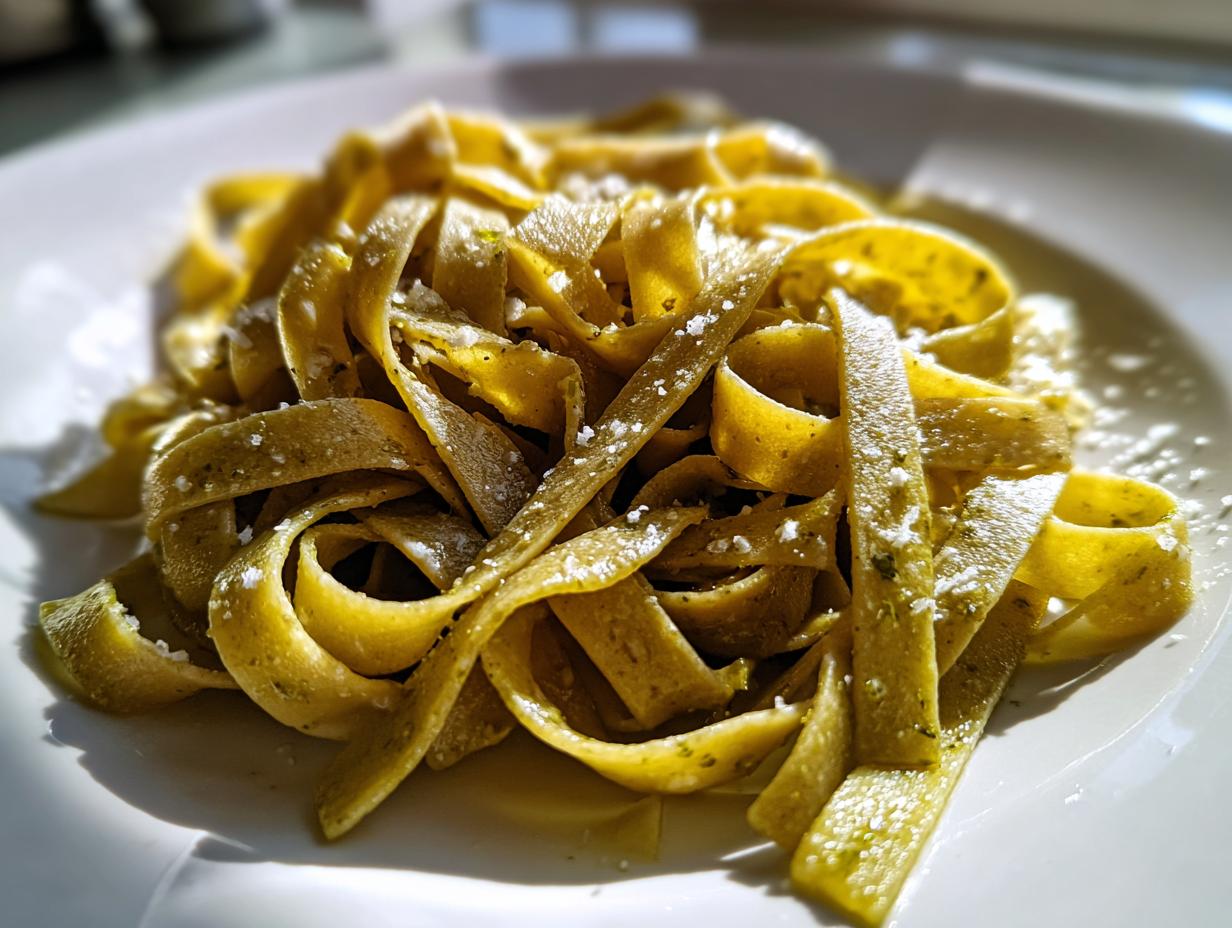
I know what you’re thinking: homemade pasta? That’s for fancy chefs with giant machines! But trust me, when you realize how incredibly easy it is to make your own lentil flour pasta gluten-free, you’ll never go back to the store-bought boxes again. This recipe is a game-changer, especially if you’re trying to load up on protein while skipping the gluten. When I first started experimenting with alternative flours, I thought everything would crumble, but the eggs and oil in this version give it this amazing structure.
The best part about using lentil flour is the nutrition boost—it’s packed with protein! It feels so much better knowing exactly what’s in my dinner. Forget those dry, brittle gluten-free noodles you’ve tried before. This dough comes together fast, and it’s pliable, almost like playdough, which is why I love it so much. It’s satisfying, it smells earthy and wonderful, and it cooks in just minutes. Get ready to impress everyone!
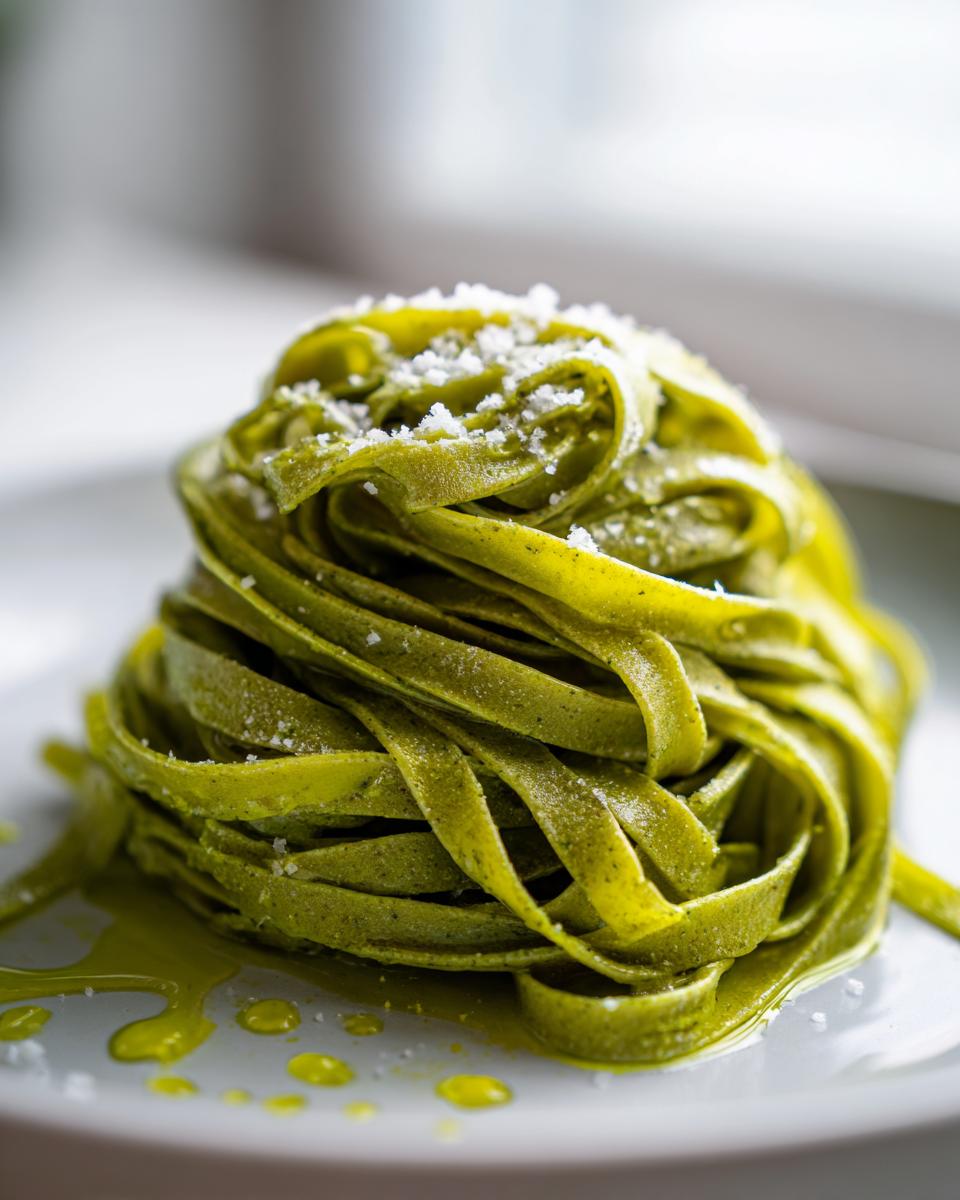
Essential Ingredients for Perfect Lentil Flour Pasta Gluten-Free
You don’t need a dozen strange items to make amazing pasta. Seriously, the ingredient list for this lentil flour pasta gluten-free recipe is so short, you probably have most of it right now! But ingredient quality matters here, more than usual, because we aren’t relying on wheat gluten for structure.
The flour is the star, naturally. I prefer red lentil flour because it gives a slightly milder flavor, but green works just fine too. Trust me, getting the measurements right in the beginning sets you up for success later when you’re kneading.
See the full list of what you need down in the table below, but let’s talk quickly about those specific requirements before you start mixing!
Ingredient Requirements for Lentil Flour Pasta Gluten-Free
When making lentil flour pasta gluten-free, precision is key. Lentil flour absorbs liquid differently than regular flour, so be careful with that water! We use two large eggs—these are crucial for binding everything together, acting as our gluten replacement. If you use smaller eggs, you might need an extra splash of water.
The olive oil isn’t just for flavor; it helps keep the dough supple during rolling. And please, don’t skip the salt; it really wakes up the earthy flavor of the lentils.
Equipment Needed to Create Your Homemade Pasta
You don’t need a fancy Italian extruder! For this easy recipe, you just need a few standard kitchen tools. I like using a big, sturdy mixing bowl because you need room to really work that dough.
- Large mixing bowl
- Fork and your hands (best mixer!)
- Plastic wrap for resting
- Rolling pin or a pasta machine (if you have one, it makes life easier!)
- Sharp knife or pizza cutter for shaping
Step-by-Step Instructions for Lentil Flour Pasta Gluten-Free
Okay, now for the fun part! Making your lentil flour pasta gluten-free is really just a three-part process: mix, rest, and roll. Don’t rush the kneading, because that’s where the magic happens, but don’t worry too much about the rolling—we have tricks for that too.
Mixing and Kneading the Lentil Flour Dough
First things first, grab your bowl and toss in the lentil flour and the salt. Give that a quick whisk just to distribute the salt evenly. Now, make a little valley right in the middle—a well, like they do in old movies! Crack your two eggs right into that well and drizzle in your olive oil.
Start mixing slowly with a fork, pulling the flour from the sides toward the middle. It’s going to look shaggy and dry at first, like coarse sand. Keep working it until it just starts to come together. Once it’s too hard for the fork, ditch it and use your hands! This is where you need some elbow grease. Start kneading right there in the bowl.
This is where you might need that extra splash of water. If the dough feels crumbly and won’t hold its shape, add water one teaspoon at a time. Seriously, just a tiny bit! You want the dough to eventually pull away cleanly from the sides of the bowl. Keep kneading for a solid five to seven minutes. You’re looking for elasticity—it should feel smooth, pliable, and spring back a little when you poke it. If it’s sticky, dust your hands with a little more flour, but don’t overdo it!
Resting and Rolling the Lentil Flour Pasta Dough
Once you have that lovely, smooth ball, wrap it up tight in plastic wrap. This resting period is non-negotiable—don’t skip it! The dough needs at least 30 minutes at room temperature. This lets the flour fully hydrate, and it makes the dough relax, which means less fighting with it when you go to roll it out. Trust me, skipping this step results in dough that snaps back like a rubber band.
When the time is up, unwrap your dough. If you are using a pasta machine, this is where it shines. Start on the widest setting and run the dough through. Fold it in thirds and run it through again. Repeat this a few times until the sheet is smooth. Then, gradually move down the settings until you get it as thin as you like. For fettuccine, I usually stop at setting 5 or 6 on my machine.
If you are using a rolling pin, you’ll need some patience and plenty of surface flour. Dust your counter heavily! Roll slowly from the center out. Keep turning the dough as you go so it doesn’t stick. You want it thin enough that you can almost see your hand through it, but thick enough that it won’t tear when you cut it.
Cutting and Cooking Your Homemade Gluten-Free Pasta
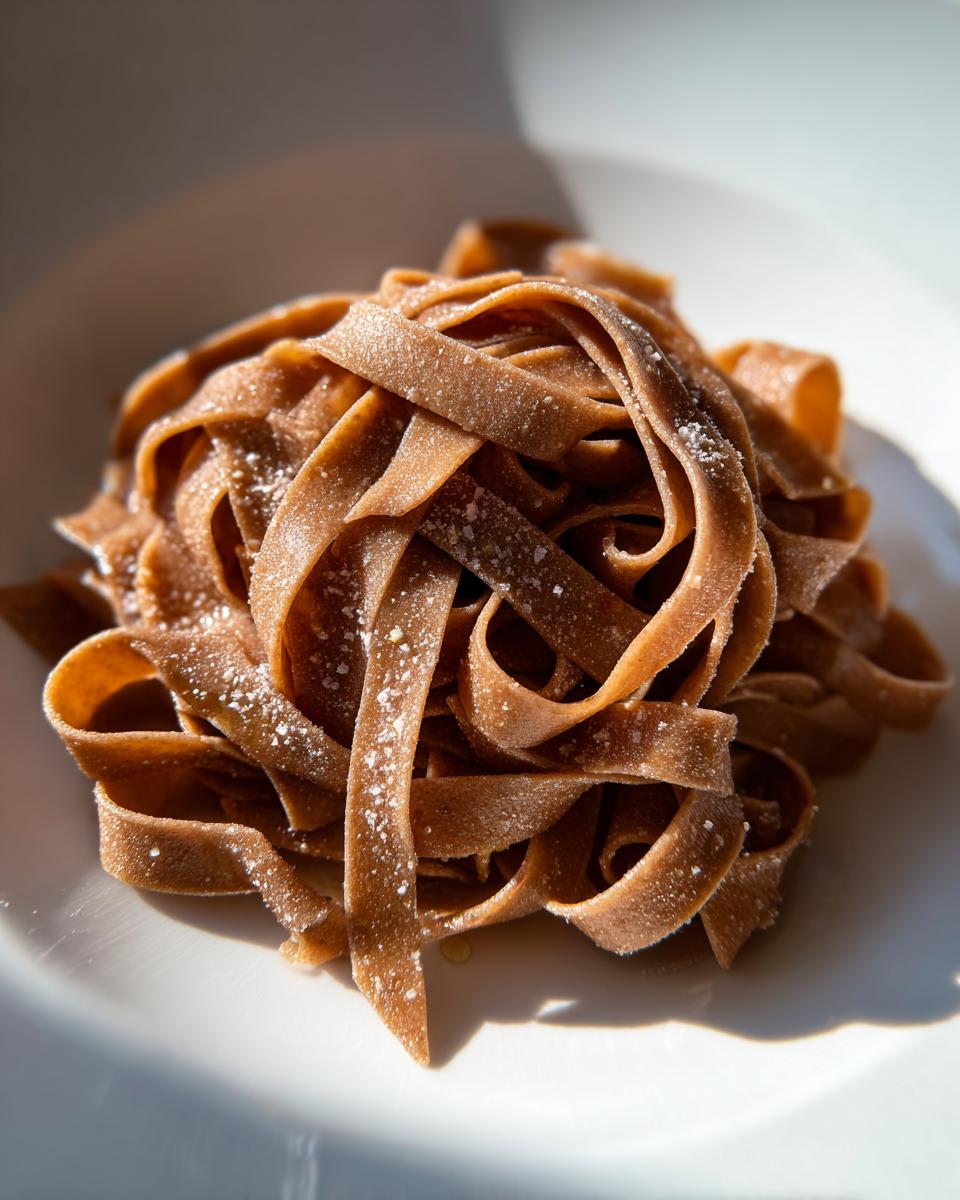
Once rolled, dust the sheet lightly with flour one last time. You can cut it into squares for ravioli, wide strips for pappardelle, or thinner strands for linguine using a pizza cutter or a sharp knife. If you are using a machine cutter attachment, just run it through!
Now for the quick cook! Bring a big pot of salted water to a rolling boil. Fresh pasta cooks ridiculously fast. Drop your fresh noodles in, stir gently right away so they don’t stick together, and watch them closely. They are done when they float and are just tender—usually two to four minutes total. You want that perfect al dente bite. Drain them immediately and toss them straight into your sauce. Don’t let them sit, or they’ll stick into one big clump!
Tips for Success with Lentil Flour Pasta Gluten-Free
Look, making lentil flour pasta gluten-free is incredibly rewarding, but it’s not exactly the same as working with traditional wheat dough. I’ve had my share of sticky messes and crumbly disasters in the beginning! The key is remembering that this dough behaves differently because it lacks gluten structure, so we rely on the eggs and the rest time. Don’t be discouraged if your first batch isn’t perfect; that’s how we learn!
Troubleshooting Common Dough Issues
If your dough is cracking apart when you try to roll it, it’s too dry. You need to add maybe half a teaspoon of water at a time and knead it in gently until it holds together better. If the dough is sticking everywhere like crazy, it means you didn’t rest it long enough, or you need more flour on your surface and on your hands when rolling. Remember, it’s better to dust with a little too much flour during rolling than to have a sticky mess that gums up your machine or counter.
Flavor Variations for Your Homemade Pasta
While the basic recipe for this high-protein pasta is amazing on its own, you can absolutely jazz it up! Before you add the water, try whisking in about a teaspoon of garlic powder or a teaspoon of dried Italian herbs right along with the salt. A little bit of smoked paprika also gives the noodles a beautiful color and a deeper, earthier flavor that pairs wonderfully with rich sauces.
Serving Suggestions for Your Fresh Pasta
Since this fresh pasta is already so high in protein, you don’t need a heavy meat sauce to make it feel like a complete meal. I love keeping the sauces lighter so you can really taste the earthy, nutty flavor of the lentil flour itself.
A simple brown butter and sage sauce is absolutely divine—the nutty butter really plays up the flavor of the lentils. Or, if you want something bright, toss it with roasted cherry tomatoes, lots of fresh basil, good quality olive oil, and a sprinkle of salty Parmesan cheese. It’s elegant but takes five minutes! You can find more ideas for pairing sauces on our Medium page.
For a vegetarian boost, try tossing the cooked pasta with sautéed mushrooms, spinach, and a splash of lemon juice. It feels light, healthy, and incredibly satisfying!
Storing and Reheating Leftover Lentil Flour Pasta Gluten-Free
One of the best parts about making a big batch of this pasta is knowing you have leftovers for lunch tomorrow! Since this is fresh, homemade lentil flour pasta gluten-free, we need to treat it a little more carefully than the dried stuff from the box. The texture is so much better fresh, but we can definitely keep that great quality for a couple of days.
When it comes to reheating, the microwave is your enemy here. It tends to dry out gluten-free starches instantly, turning them borderline rubbery. Instead, use a skillet! Heat up a little water or broth—just a splash—in a wide pan over medium heat. Throw your cooked noodles in, toss gently until they are heated through and coated in that moisture. It only takes a minute or two, and they come back almost as good as new.
Storing Fresh Dough and Cooked Pasta
If you have leftover dough that you didn’t get around to rolling out, wrap that tightly in plastic wrap—make sure there are no air pockets—and pop it in the fridge. It keeps beautifully for up to two days. Just let it sit on the counter for about 15 minutes before you try to roll it again so it softens up a bit. For more kitchen tips, check out our Pinterest boards.
For the cooked lentil flour pasta gluten-free, store it in an airtight container in the refrigerator. It’s good for about two days. When you store it, make sure you toss it with a tiny bit of oil before you seal the container. This prevents the high-protein noodles from sticking together into one giant block overnight!
Frequently Asked Questions about Lentil Flour Pasta Gluten-Free
I get so many questions about this recipe, which tells me you all are excited to try making your own lentil flour pasta gluten-free! It’s natural to have questions when you switch from standard wheat pasta to something so nutritious. Here are the things I hear most often from first-time makers.
Can I Substitute the Eggs in This Lentil Flour Pasta Gluten-Free Recipe
Yes, you absolutely can make a vegan version of this lentil flour pasta gluten-free recipe! The original calls for two large eggs, but we can swap those out easily. For each egg you need to replace, mix one tablespoon of flaxseed meal with three tablespoons of water. Let that sit for about five minutes until it gets thick and gelatinous—that’s your flax egg, and it acts just like a binder here. It works wonderfully and keeps the protein high! If you are interested in other binding swaps, check out our gelatin trick recipe.
How Does the Texture Compare to Traditional Pasta
This is the big question! Honestly, homemade lentil flour pasta gluten-free has a slightly firmer, more rustic bite than traditional white pasta. Because it’s so high in protein, it holds its shape beautifully and doesn’t get mushy when you overcook it by a minute or two. It’s denser than regular fettuccine, and it has a subtle, pleasant nutty taste that you notice most when you pair it with lighter sauces. It’s satisfying in a way that regular pasta just isn’t!
Nutritional Estimates for Lentil Flour Pasta Gluten-Free
I always get asked about the nutrition when people see how much protein is packed into this homemade lentil flour pasta gluten-free. It’s certainly a healthier swap, and knowing the numbers helps when you’re planning meals! Since this recipe uses simple, whole ingredients, the nutritional profile is fantastic compared to refined white pasta.
These estimates are based on a four-serving yield, but remember, if you roll your noodles thinner or use a different type of lentil flour, your exact numbers might shift slightly. I always calculate mine based on the amount of flour I actually used! If you are curious about other healthy swaps, look into pink salt benefits.
Here’s a quick look at what you’re getting per serving:
| Nutrient | Approximate Amount |
|---|---|
| Calories | 220 |
| Protein | 14g |
| Carbohydrates | 30g |
| Fat | 5g |
See? That protein count is almost as high as a small chicken breast! That’s why this high-protein pasta keeps you full for ages.
Print
Amazing 2 Ingredient Lentil flour pasta gluten-free
- Total Time: 50 minutes
- Yield: 4 servings 1x
- Diet: Vegetarian
Description
Make gluten-free lentil flour pasta at home with this simple recipe for a protein-rich, nutritious alternative to traditional pasta.
Ingredients
- 2 cups lentil flour (red or green lentils)
- 2 large eggs
- 2 tablespoons olive oil
- 1/2 teaspoon salt
- Water as needed (about 1/4 cup)
Instructions
- Combine lentil flour and salt in a large mixing bowl.
- Make a well in the center, crack in the eggs, and add olive oil.
- Gradually mix the flour into the eggs and oil using a fork, then knead with your hands.
- Add water a little at a time as needed to form a smooth, pliable dough.
- Knead the dough for about 5 to 7 minutes until elastic and not sticky.
- Wrap the dough in plastic wrap and rest for 30 minutes at room temperature.
- Roll out the dough using a rolling pin or pasta machine to your desired thickness.
- Cut into desired shapes such as fettuccine, linguine, or use a pasta cutter.
- Bring a large pot of salted water to boil and cook pasta for 2 to 4 minutes or until al dente.
- Drain pasta and toss with your favorite sauce.
Notes
- Resting the dough improves texture and makes rolling easier.
- Use plenty of flour when rolling to prevent sticking.
- Do not overcook fresh pasta for the best texture.
- Store extra dough wrapped tightly in the fridge up to 2 days.
- Fresh pasta cooks much faster than dried pasta.
- Cooked pasta can be refrigerated for 2 days.
- Reheat gently in a pan with a splash of water or sauce; avoid microwaving to prevent drying.
- For a vegan option, substitute eggs with flaxseed meal mixed with water (1 tablespoon flaxseed + 3 tablespoons water per egg).
- You can add herbs or spices like garlic powder or dried basil to the dough for flavor.
- Prep Time: 15 minutes
- Cook Time: 3-5 minutes
- Category: Pasta
- Method: Dough making and boiling
- Cuisine: International
Nutrition
- Serving Size: 1 serving
- Calories: 220
- Sugar: N/A
- Sodium: N/A
- Fat: 5g
- Saturated Fat: N/A
- Unsaturated Fat: N/A
- Trans Fat: 0g
- Carbohydrates: 30g
- Fiber: N/A
- Protein: 14g
- Cholesterol: N/A