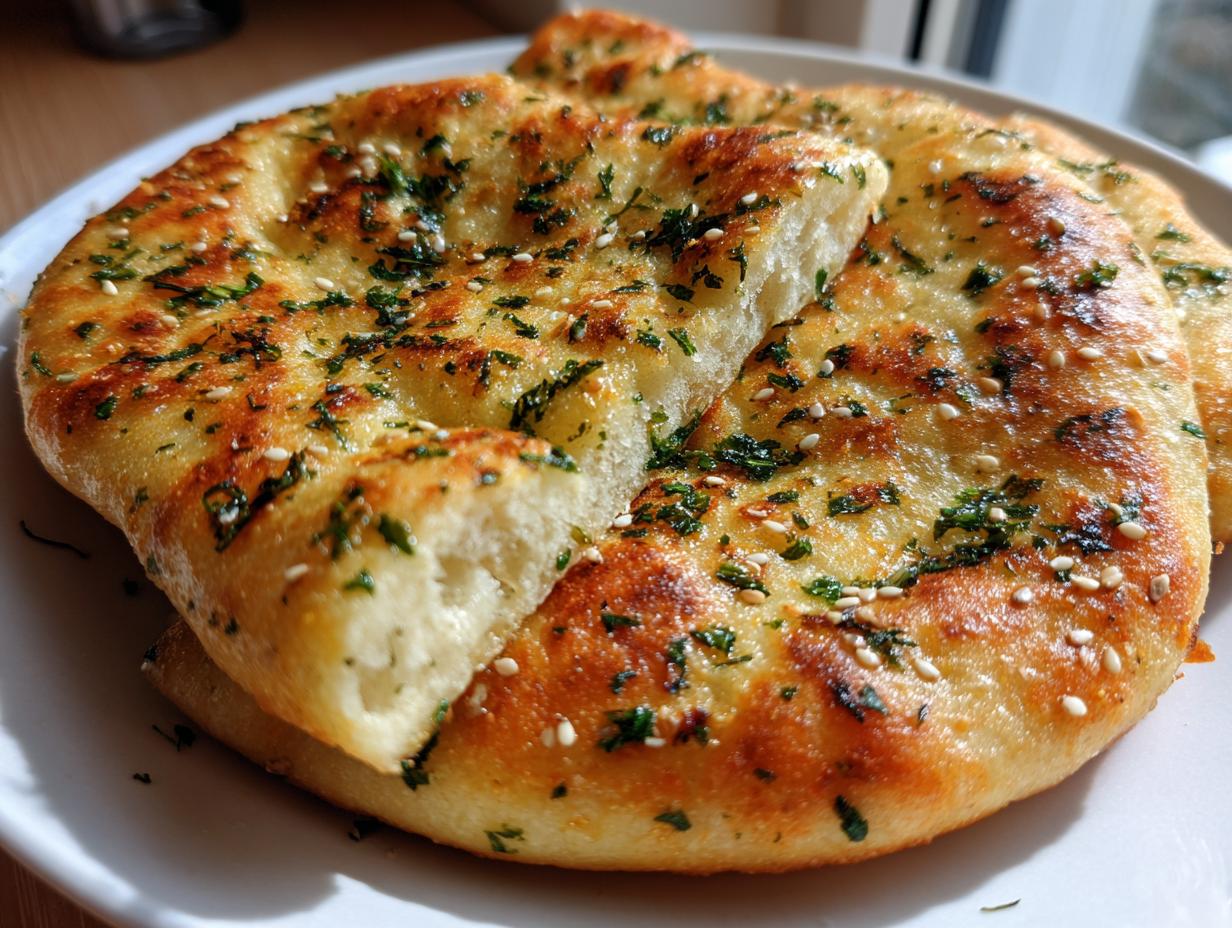
If you’ve been dreaming about scooping up rich curry or dipping into some hummus without breaking your low-carb lifestyle, then you know the pain of dry, crumbly keto flatbreads. I’ve wasted so much time on recipes that turn out like cardboard! But stop right there, because I finally cracked the code. This recipe for Keto Naan is a game-changer. I’m talking soft, pliable, slightly crisp on the edges—the kind you can actually fold around fillings. Trust me, I’ve tested dozens of combinations in my kitchen, and the balance of these specific ingredients is what makes this flatbread so incredibly flexible and genuinely low-carb.
These don’t just taste good; they feel right. I served these to my very skeptical brother last week, and he asked for seconds! That’s how you know you’ve hit the jackpot with a keto bread recipe.

Why This Keto Naan Recipe Works Best
The secret sauce, if you can call it that, isn’t some fancy ingredient; it’s the structure builders. Standard wheat flour gives traditional naan its stretch, but here we rely on coconut flour for tenderness and psyllium husk powder for that essential chew. Psyllium is the real hero; it creates a binding matrix that mimics gluten, which is why these turn out so flexible and don’t immediately crumble.
We also use a touch of xanthan gum, which is non-negotiable for keeping the dough workable. When you mix these dry elements just right, you create a sturdy base that holds up beautifully in the oven. It’s this precise combination that keeps the carbs low while ensuring the texture is spot-on—not dense, not brittle, just perfect naan.
Essential Ingredients for Your Keto Naan
Okay, let’s talk about what goes into these magical flatbreads. Because we aren’t using traditional flour, every single item on this list plays a critical role in texture and structure. Don’t try to skip the psyllium husk—it’s the backbone of this whole operation! I always measure everything out before I even turn the oven on because the mixing process moves pretty quickly once you start adding the water.
You’ll need six main dry components and three wet ones, plus the fresh toppings at the end. Keep everything handy, and you’ll be done before you know it. It’s all about getting those ratios right! I’m sharing more baking tips on my Medium page.
Dry Components for Keto Naan Structure
These are the powders that give our naan its lift and chew. You need:
- 2/3 cup of coconut flour. Yes, it has to be coconut flour; almond flour behaves totally differently here!
- 2 tablespoons of psyllium husk powder—make sure it’s the powder, not the whole husks, if you can.
- 1 teaspoon of xanthan gum for that crucial elasticity.
- 1 teaspoon of baking powder to give it a little puff.
- 1/2 teaspoon of sea salt to balance out all that richness.
Wet Elements and Flavoring
These elements bring moisture and bind the dry stuff together. The hot water is key here:
- 1/4 cup of full-fat plain Greek yogurt. It adds a little tang and richness.
- 2 tablespoons of olive oil, melted—don’t use it cold!
- 1 cup of hot water. Seriously, make sure this water is hot, almost boiling, because it activates the psyllium husk instantly.
Step-by-Step Guide to Perfect Keto Naan
This recipe moves fast once you get going, so make sure your baking sheet is ready and your oven is preheating to 350°F! The whole process, from mixing to pulling them out of the oven, is surprisingly quick—less than 20 minutes total, which is amazing for low-carb bread.

Preparing the Dough for Keto Naan
First things first, grab a big bowl and whisk those dry ingredients together really well. I mean it—whisk until you think you’ve whisked enough, then whisk for ten more seconds! We want zero lumps of coconut flour or xanthan gum hiding out. Once they are totally combined, stir in your Greek yogurt and the melted olive oil. Now for the magic: pour in that hot water and mix it up with a fork until it looks like a shaggy dough. Don’t panic if it seems sticky or weird; that’s normal! The most important part of this step is letting it rest for about three to five minutes. This rest time lets the psyllium husk powder really soak everything up and turn that shaggy mess into something you can actually handle.
Shaping and Baking Your Keto Naan
Once rested, divide that dough into six equal pieces. I usually eyeball it, but if you’re picky, weighing them helps them cook evenly. Take one piece and roll it out between two sheets of parchment paper—this prevents sticking, which is a huge help with keto doughs. You want them rolled fairly thin, about a quarter of an inch thick, into an oval shape. Transfer the flattened naan to your parchment-lined baking sheet and peel off the top layer of parchment. Pop them into the hot oven and bake them for 12 to 15 minutes. Keep an eye out! If you see any big bubbles puffing up dramatically, just gently pierce them with a fork so the whole naan bakes evenly and doesn’t end up with one giant air pocket.
Finishing Touches for Flavorful Keto Naan
Pull them out when they are lightly golden and feel firm to the touch. While they are still piping hot, brush them generously with the remaining tablespoon of olive oil. This keeps them soft and adds flavor. Then, sprinkle them immediately with the sesame seeds, fresh parsley, and that last pinch of salt. The heat grabs onto the oil and herbs, making them stick perfectly. Serve them right away—warm naan is the absolute best naan! You can find more great recipe ideas on my Pinterest boards.
Tips for Achieving Excellent Texture in Your Keto Naan
Listen, getting the texture right in any low-carb bread is a balancing act, and it’s where most people run into trouble with this Keto Naan. The goal here is pliable, not pancake! The key to that soft texture lies almost entirely in how you handle the dough after it rests. Don’t overwork it once it firms up, or you’ll squeeze out all the air we worked so hard to create.
Also, remember that coconut flour is thirsty! That resting period is your best friend. If you skip it, you’ll end up with a dough that feels too wet when you try to roll it, leading to a flat, heavy result. Patience for those five minutes pays off big time in the final chewiness.
Troubleshooting Common Keto Naan Issues
If you find your dough is sticking to everything like crazy, it means it’s too wet, which sometimes happens depending on the humidity in your kitchen. Don’t panic and dump in more coconut flour right away! Instead, dust your hands and your parchment paper lightly with a tiny bit of extra psyllium husk powder—just a pinch at a time—until it feels manageable. If your dough seems too dry straight out of the rest and is cracking when you try to roll it thin, add just a teaspoon of warm water at a time until it comes together. Remember, we are aiming for a soft, slightly tacky dough, not a stiff ball!
Ingredient Notes and Substitutions for Low Carb Flatbread
I want to stress again how important it is to use the ingredients listed here for this low carb flatbread. If you’re used to baking with wheat, you might think you can swap things around, but keto baking is a whole different beast! Coconut flour and psyllium husk powder are not interchangeable with each other, or with almond flour, for instance.
The psyllium husk powder is what gives our naan its stretch and flexibility; it acts like gluten, so please don’t skip it! If you only have whole psyllium husks, you might need to increase the amount slightly and expect a slightly different texture, but the powder works best for smoothness. Also, make sure your baking powder is fresh! If it’s old, your naan won’t puff up at all, and you’ll end up with very sad, flat bread.
Storing and Reheating Your Keto Naan
Because this Keto Naan is so soft and tender when fresh, keeping that texture when you reheat it is the main challenge. These are definitely best eaten the day you make them, but life happens, right? Luckily, these low carb flatbreads store surprisingly well if you follow a few simple rules. The biggest enemy here is air exposure, which dries out the coconut flour base really fast.
When cooling them down after baking, make sure they are completely cool before you wrap them up, or you’ll trap steam and make them soggy. I usually let mine sit on a wire rack for about 20 minutes before I seal them away. You want them warm, but not steamy!
Storage Chart for Keto Naan
Here’s my go-to guide for keeping your naan perfect, whether you need them tomorrow or next month. You should try to wrap them tightly in plastic wrap first, and then place them in an airtight container or zip-top bag.
| Location | Duration | Best Reheating Method |
|---|---|---|
| Room Temperature | Up to 2 days | Quick sear on a dry skillet. |
| Refrigerator | Up to 5 days | Microwave for 10 seconds, then finish on a hot pan. |
| Freezer | Up to 3 months | Thaw completely, then reheat on a skillet. |
For reheating, the skillet is always the winner if you want to bring back that slight crusty edge. Just heat a dry, non-stick pan over medium heat, place the naan on it for about a minute per side, and it tastes almost freshly baked. Don’t skip the reheating step, or the psyllium husk texture can feel a little chewy when cold!
Common Questions About Keto Naan
I get so many messages asking about tweaking this recipe, and I totally get it—we all want to use what we have in the pantry! But since this is a specialized low carb flatbread, some substitutions are trickier than others. Here are the top things folks ask me when they are getting ready to bake their Keto Naan.
How long does this Keto Naan take to make?
The best part about this recipe is how fast it comes together! Your prep time is only about five minutes because we aren’t doing any kneading or long proofing. The actual baking time is 12 to 15 minutes. So, from the moment you start whisking to the moment you brush them with olive oil, you are looking at less than 20 minutes total. It’s perfect for a weeknight curry craving! You can see more of my quick recipes here.
Can I use almond flour instead of coconut flour in this Keto Naan recipe?
Oh, I wish you could! Unfortunately, no, you really can’t swap almond flour for coconut flour in this recipe, especially not 1:1. Coconut flour is incredibly absorbent—it sucks up way more liquid than almond flour does. If you tried to substitute almond flour, your dough would be super wet and oily, and you wouldn’t get the structure needed for a good gluten-free naan. Stick to the coconut flour for this one, trust me!
Sharing Your Homemade Keto Naan Experience
I am so excited for you to try this recipe! Seriously, let me know how they turn out. Did you pair your Keto Naan with butter chicken or maybe just a simple garlic dip? Head down to the comments below and give this recipe a rating if you loved how soft and flexible they were. I love seeing your kitchen creations!
Print
Amazing 6-Minute Keto Naan Secret Uncovered
- Total Time: 20 minutes
- Yield: 6 flatbreads 1x
- Diet: Low Carb
Description
This keto naan bread is soft, flexible, and lightly crisp on the edges. It uses coconut flour and psyllium husk powder for structure, making it a great low carb flatbread for curries or dips.
Ingredients
- 2/3 cup coconut flour
- 2 tablespoons psyllium husk powder
- 1 teaspoon xanthan gum
- 1 teaspoon baking powder
- 1/2 teaspoon sea salt
- 1/4 cup full fat plain Greek yogurt
- 2 tablespoons olive oil, melted
- 1 cup hot water
- 1 tablespoon olive oil (for topping)
- 1 tablespoon sesame seeds
- 1 tablespoon chopped fresh parsley
- Pinch of sea salt (for topping)
Instructions
- Preheat your oven to 350°F. Line a baking sheet with parchment paper and set it aside.
- In a large bowl, whisk together the coconut flour, psyllium husk powder, xanthan gum, baking powder, and salt until you have no lumps.
- Stir in the Greek yogurt and melted olive oil.
- Pour in the hot water and mix with a fork until a dough forms. Let the dough rest for 3 to 5 minutes so the coconut flour and psyllium absorb the moisture.
- Divide the dough into 6 equal portions. Roll each portion between two sheets of parchment paper into an oval flatbread about 1/4 inch thick.
- Transfer the flatbreads to the prepared baking sheet and remove the top parchment. Gently pierce any large air bubbles that form during baking with a fork.
- Bake for 12 to 15 minutes, until the naan is lightly golden and firm around the edges.
- Brush the warm naan with olive oil and sprinkle with sesame seeds, parsley, and a pinch of sea salt. Serve warm.
Notes
- This recipe makes a fluffy, low carb flatbread.
- It is gluten free.
- The naan is best served warm for optimal texture.
- Prep Time: 5 minutes
- Cook Time: 15 minutes
- Category: Bread
- Method: Baking
- Cuisine: Indian/Mediterranean
Nutrition
- Serving Size: 1 naan
- Calories: 140
- Sugar: N/A
- Sodium: N/A
- Fat: 10 grams
- Saturated Fat: N/A
- Unsaturated Fat: N/A
- Trans Fat: N/A
- Carbohydrates: 9 grams
- Fiber: 6 grams
- Protein: 5 grams
- Cholesterol: N/A