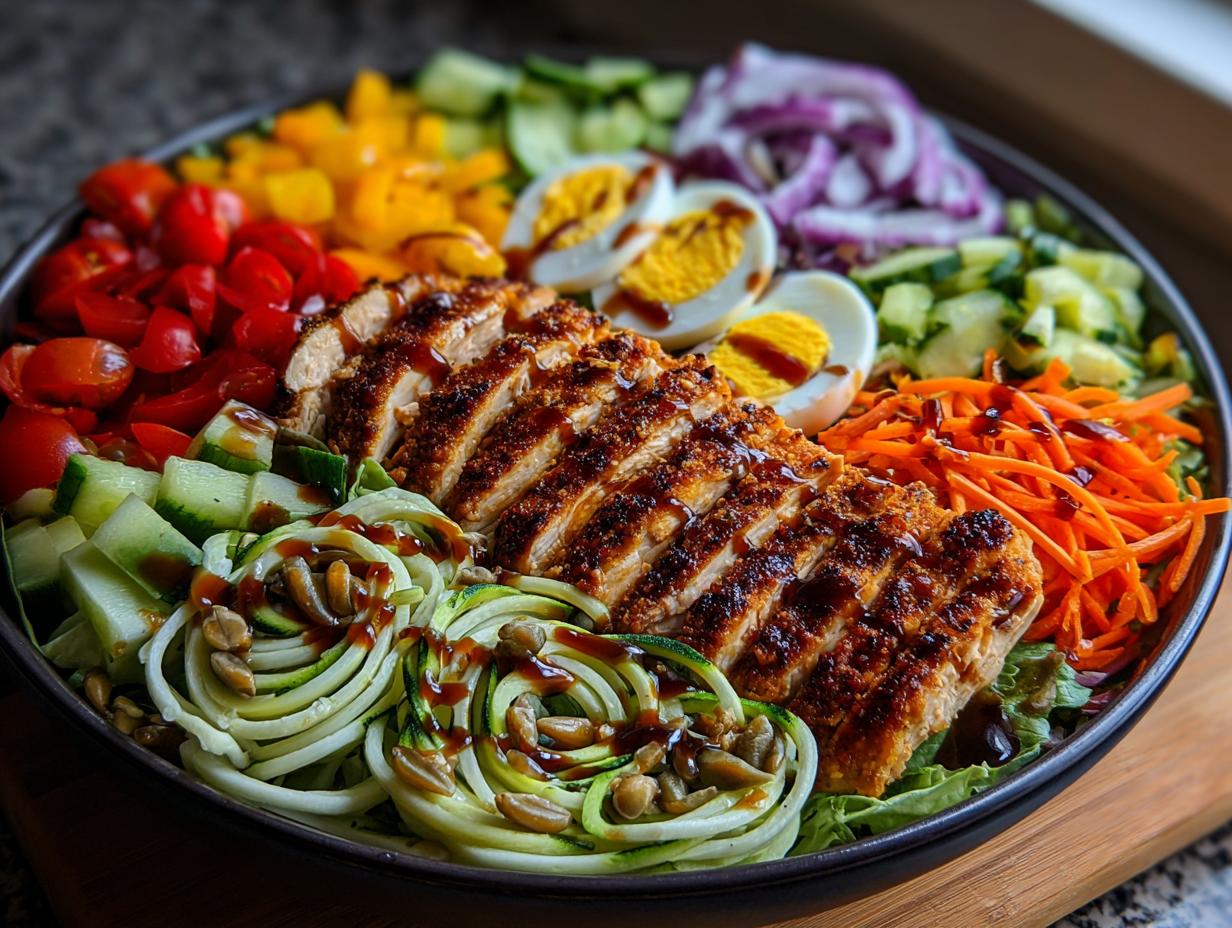
If you’re like me, Jordan Bell from Asheville, NC, you know the struggle. I lost eighty pounds, and let me tell you, saying goodbye to the huge plates of Southern comfort food I grew up on was the hardest part! That’s why I created these high-volume low-calorie salad bowls. My mission on the Easy Detox Recipes blog is to show you how to eat big and stay satisfied, even when you’re trying to keep calories way down. This isn’t some sad little side salad; this is a genuine dinner that fills you up!
We’re talking about turning a small calorie count into a massive, beautiful bowl of food. It’s all about fiber and smart layering. Trust me, you won’t feel deprived eating this one. It’s the perfect clean swap for those nights when you just want a mountain of food in front of you without the guilt.
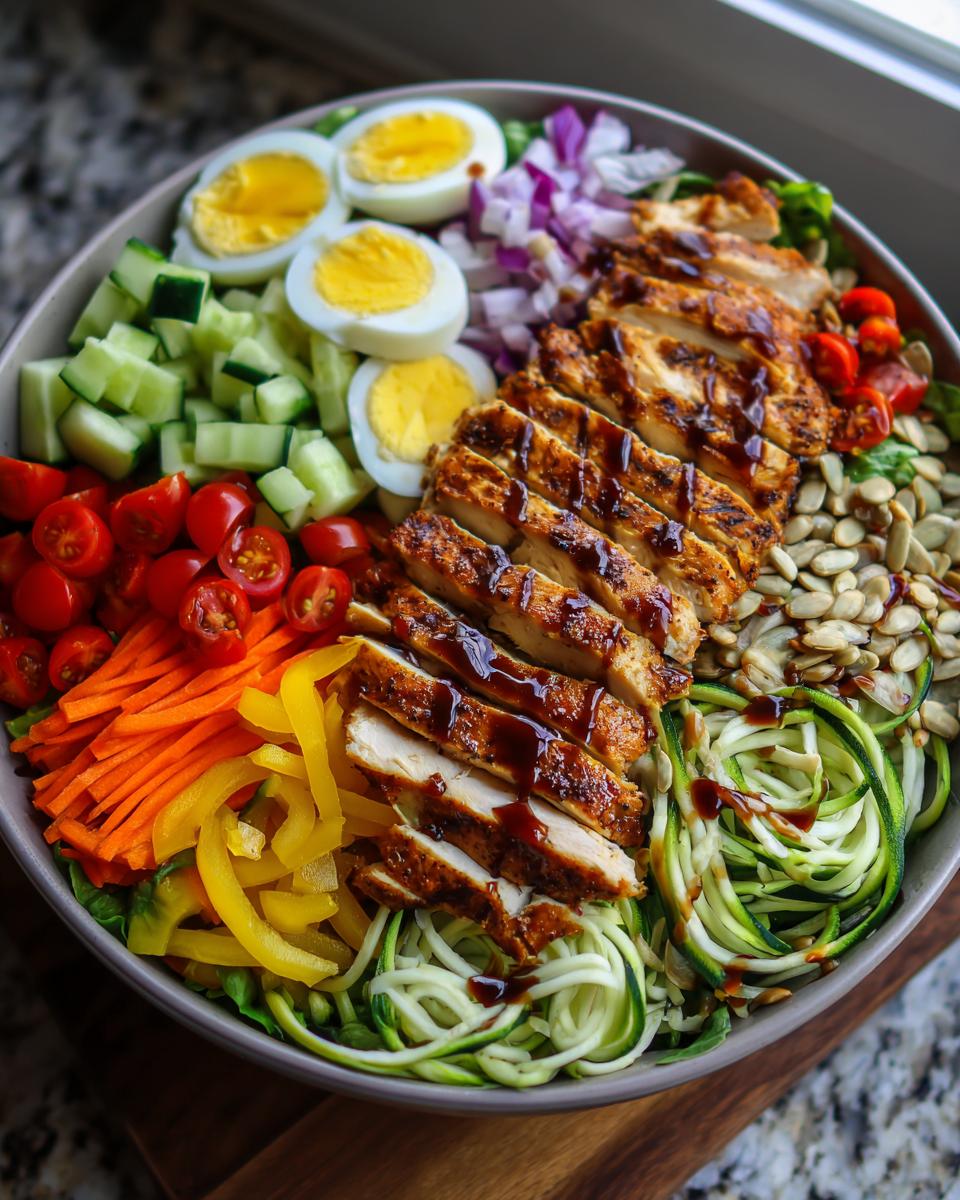
Why This High-Volume Low-Calorie Salad Bowls Recipe Works for Volume Eaters
Dieting often leaves you staring at your plate, wondering when the hunger pangs will stop. That’s the worst feeling! If you’re trying to stick to a plan, you need food that fights back against hunger, and that’s exactly what these high-volume low-calorie salad bowls do. We load them up with water-rich vegetables and lean protein.
The secret sauce here is bulk. You get that incredible visual satisfaction from a huge pile of greens and crunchy veggies, which are virtually calorie-free but take up so much space in your stomach. When you combine that with 45 grams of protein, you’ve got a meal that keeps you full for hours. It’s volume eating done right, without sacrificing the flavor I learned to love back home in the South. You can see more of my favorite meal prep ideas on Medium.
Essential Ingredients for Your High-Volume Low-Calorie Salad Bowls
Okay, let’s talk about what goes into making these massive bowls actually satisfying. Since we are focusing on making these high-volume low-calorie salad bowls work hard for us, every ingredient plays a role in either adding bulk or delivering big flavor without the calorie penalty. Don’t try to skip the details here; the preparation matters!
For the base, you need a good mix: 4 cups of mixed greens—I use romaine, spinach, and arugula for different textures—plus 2 cups of shredded cabbage. Then we pile on the crunch: 1.5 cups of cucumber, diced; 1 cup of cherry tomatoes, halved; 1 cup of bell peppers, diced (I love red and yellow for color!); half a cup of shredded carrots; half a cup of red onion, thinly sliced; and one medium zucchini, which you should spiralize or julienne if you can. These are your volume builders!
Protein Base Preparation for High-Volume Low-Calorie Salad Bowls
The star here is the lean protein that keeps you full. We use 8 ounces of boneless, skinless chicken breast. Before it hits the heat, pat it dry—this is key for a good sear! Then season it up well with 1 teaspoon of olive oil for cooking, half a teaspoon each of garlic powder and paprika, and a quarter teaspoon of salt and pepper. This simple seasoning makes the grilled chicken perfect for these high-volume low-calorie salad bowls.
Building Maximum Volume with Greens and Vegetables
This is where the magic happens for volume eaters. We rely on water-rich, low-density items. After the base greens, we add shredded cabbage for that satisfying crunch. Then, the fresh stuff: the diced cucumber, halved tomatoes, diced peppers, shredded carrots, thin red onion, and that spiralized zucchini. These components bulk up the bowl so much you won’t believe how few calories you’re consuming!
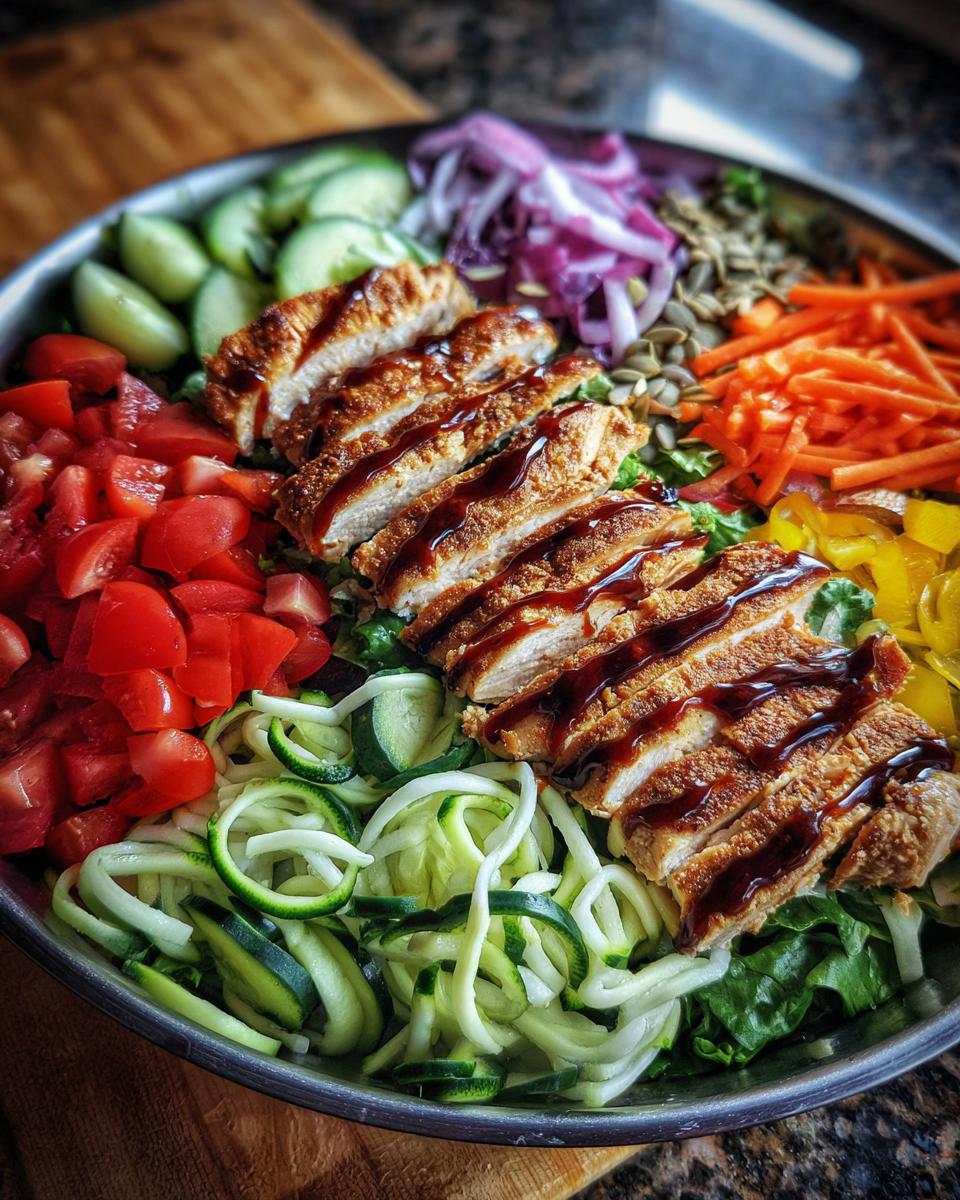
Crafting the Tangy Balsamic Dressing for This High-Volume Low-Calorie Salad Bowls
Now, listen up, because a huge salad needs an equally huge dressing that doesn’t weigh down your calorie budget. Forget those creamy bottled nightmares! We are making a bright, tangy balsamic dressing that coats every single leaf and vegetable in our high-volume low-calorie salad bowls. This dressing is what brings all that fresh crunch together.
You just whisk together 2 tablespoons of balsamic vinegar, 1 tablespoon of olive oil (yes, a little healthy fat is necessary!), 1 teaspoon of Dijon mustard, 1 teaspoon of honey for just a touch of sweetness, 1 clove of minced garlic, and a quarter teaspoon of dried oregano. Whisk it hard! You need to whisk it until it’s slightly emulsified—that means it looks a little thicker and holds together better. This coating action ensures that even the shredded cabbage gets flavor in your high-volume low-calorie salad bowls.
Step-by-Step Instructions for Assembling Your High-Volume Low-Calorie Salad Bowls
Putting together these amazing bowls might seem like a lot of chopping, but it moves fast once you get going. Remember, we are aiming for two massive servings, so grab your two biggest bowls! We need to coordinate the chicken cooking with the veggie prep so everything is ready at the same time. Don’t worry about perfection; just get everything chopped and ready to stack.
Cooking the Seasoned Chicken Breast Perfectly
First things first, let’s get that chicken taken care of. Take your 8-ounce chicken breast and pat it really dry with paper towels—seriously, this helps it brown nicely. Season both sides generously with the garlic powder, paprika, pepper, and salt we mixed up earlier. Now, heat 1 teaspoon of olive oil in a good skillet over medium-high heat. When that pan is nice and hot—you should see a tiny shimmer in the oil—carefully place the chicken in. Cook it for about 6 to 7 minutes on each side until it’s golden brown and looks cooked through. The most important part? You absolutely must check that internal temperature with a thermometer; it needs to hit 165°F right in the thickest spot. Once it’s done, pull it off the heat immediately, put it on a clean cutting board, and let it rest for a full 5 minutes. This resting time keeps all those delicious juices inside. After resting, slice it thinly or chop it up into bite-sized pieces for your high-volume low-calorie salad bowls.
Assembling Layers for Visual Appeal and Volume
While that chicken is resting, it’s time to build the volume! Take your two large serving bowls and create your foundation. Divide the 4 cups of mixed greens and the 2 cups of shredded cabbage evenly between them. This is your fluffy, low-calorie mattress. Now, arrange the rest of your chopped veggies neatly over the greens so you can see all the colors—that’s what makes these high-volume low-calorie salad bowls so appealing! Put sections of the diced cucumber, halved tomatoes, diced peppers, shredded carrots, thinly sliced red onion, and the spiralized zucchini on top.
Divide that rested, sliced chicken evenly between the two bowls. If you’re using any of those optional boosters—like the chickpeas, sunflower seeds, or that hard-boiled egg—sprinkle them on top now. Finally, drizzle that tangy balsamic dressing you whisked up over everything. It looks gorgeous layered like this, but remember, the best way to eat these high-volume low-calorie salad bowls is to toss it all together right before you take that first massive, satisfying bite! If you want to see how I prep my protein ahead of time, check out my tips on spicy grilled shrimp.
Tips for Success with High-Volume Low-Calorie Salad Bowls
Listen, these high-volume low-calorie salad bowls are designed to be flexible, but a few little tricks will make them even better for your goals. The biggest tip I learned during my weight loss journey is accuracy matters, especially with the protein. Always weigh that chicken breast before you cook it if you are tracking macros closely!
Another thing—don’t skimp on the vinegar in the dressing, even if you think it’s too tart at first. The acidity cuts through the richness of the small amount of olive oil and lets the vegetables really shine. Since these are such huge meals, you want that bright flavor to keep things interesting from the first bite to the last in your high-volume low-calorie salad bowls.
Ingredient Swaps and Protein Alternatives
If you get tired of chicken—and trust me, I do sometimes—don’t sweat it! You can easily keep these high-volume low-calorie salad bowls low-cal by swapping out the protein source. Grilled turkey breast is a fantastic substitute, or if you want to go plant-based, some firm baked tofu works beautifully. For a seafood twist, cooked shrimp is another quick, lean option that fits right into this recipe structure. For more seafood ideas, look at my easy coconut shrimp recipe.
Also, feel free to bulk things up even more with other low-calorie veggies. Spiralized beets or jicama add an incredible, unexpected crunch and extra fiber without spiking the calories. Remember, more fiber means more fullness!
Storing and Reheating Your High-Volume Low-Calorie Salad Bowls
I know you’ll want to make these high-volume low-calorie salad bowls ahead of time, especially for lunch prep during the week. Here’s the deal: you absolutely can, but you cannot mix them until you are ready to eat! If you toss the dressing on the greens too early, you’ll end up with wet, sad lettuce, and nobody wants that. The magic of volume eating is that fresh crunch!
The key is separating the components into airtight containers. Cooked chicken, chopped veggies, and the dressing should all live separately in the fridge. This way, you can pack lunches for days and still have that restaurant-fresh quality when you pull it out. You can keep these components fresh for several days, making your week so much easier! You can find more meal prep inspiration on my Pinterest boards.
Storage and Leftover Management Table
Use this quick guide to keep your high-volume low-calorie salad bowls components perfectly fresh:
| Component | Storage Duration (Refrigerated) |
|---|---|
| Cooked Chicken Strips | Up to 4 days |
| Prepped Vegetables | Up to 4 days (keep onion separate if you find it gets too strong) |
| Balsamic Dressing | Up to 1 week (it might separate, just shake well) |
Common Questions About High-Volume Low-Calorie Salad Bowls
I get so many questions about making sure these high-volume low-calorie salad bowls fit into busy schedules or match different dietary needs. It’s all about making simple adjustments so you can keep eating big and feeling satisfied all week long. Don’t worry if you can’t grill chicken every day—there are always ways around it!
Can I Prepare These High-Volume Low-Calorie Salad Bowls Ahead of Time?
You absolutely can meal prep these! This is one of the best uses for these high-volume low-calorie salad bowls, especially if you are focused on weight loss. The trick, which I mentioned before, is separation. Cook your chicken, chop all your veggies, and make the dressing, but keep everything in separate, sealed containers. When lunchtime rolls around, just grab your base greens, dump in the pre-chopped veggies and chicken, and drizzle the dressing on top. It takes about two minutes to assemble fresh, and you get that satisfying crunch every time.
What If I Do Not Have Grilled Chicken?
If grilling isn’t an option, don’t feel stuck! You can easily bake that seasoned chicken breast on a sheet pan at 400 degrees until it hits 165°F—it’s just as tasty and just as lean for your high-volume low-calorie salad bowls. Or, for an even faster method, you can use pre-cooked rotisserie chicken breast (just pull off the skin to keep the calories low). If you want zero cooking time, canned shrimp or canned tuna packed in water works wonderfully as a quick protein boost.
Estimated Nutritional Data for High-Volume Low-Calorie Salad Bowls
Since these high-volume low-calorie salad bowls are packed with so many veggies, the exact numbers can shift slightly depending on how much dressing you use or if you skip optional toppings. But to give you a good starting point for staying on track with your goals, here’s the estimated nutritional breakdown for one large serving, without the optional seeds or egg. If you are interested in how different salts affect your diet, see my post on pink salt and fasting.
This data shows you’re getting a massive amount of protein for a very low-calorie count, which is exactly what we want when we’re volume eating!
Nutritional Breakdown Table
| Nutrient | Amount Per Serving (Estimate) |
|---|---|
| Calories | 385 |
| Protein | 45g |
| Fat | 12g |
| Carbohydrates | 28g |
Share Your Experience with These High-Volume Low-Calorie Salad Bowls
I truly hope these high-volume low-calorie salad bowls become a staple in your routine, just like they are in my kitchen here in Asheville! Eating clean doesn’t mean eating small portions anymore. Let me know how this recipe stacked up against your biggest hunger pangs!
Did it keep you full for hours? Drop a rating below or leave a comment telling me what optional toppings you added to your massive bowl!
Print
385 Calorie High-Volume Low-Calorie Salad Bowls
- Total Time: 30 minutes
- Yield: 2 large servings 1x
- Diet: Low Calorie
Description
This high-volume low-calorie chicken salad bowl is designed for volume eaters and anyone looking to stay satisfied on fewer calories. Packed with fiber-rich greens, crunchy vegetables, lean grilled chicken, and a tangy balsamic dressing, this massive bowl delivers maximum fullness with minimal calories. It is the perfect weeknight dinner when you want to eat a restaurant-sized portion while staying on track with your weight-loss goals.
Ingredients
- 4 cups mixed greens (romaine, spinach, arugula)
- 2 cups shredded cabbage
- 1 ½ cups cucumber, diced
- 1 cup cherry tomatoes, halved
- 1 cup bell peppers (red and yellow), diced
- ½ cup shredded carrots
- ½ cup red onion, thinly sliced
- 1 medium zucchini, spiralized or julienned
- 8 oz boneless, skinless chicken breast
- 1 teaspoon olive oil (for cooking)
- ½ teaspoon garlic powder
- ½ teaspoon paprika
- ¼ teaspoon black pepper
- ¼ teaspoon salt
- 2 tablespoons balsamic vinegar
- 1 tablespoon olive oil (for dressing)
- 1 teaspoon Dijon mustard
- 1 teaspoon honey
- 1 clove garlic, minced
- ¼ teaspoon dried oregano
- Salt and pepper to taste (for dressing)
- ¼ cup chickpeas, rinsed and drained (Optional)
- 2 tablespoons sunflower seeds (Optional)
- 1 hard-boiled egg, sliced (Optional)
Instructions
- Pat the chicken breast dry with paper towels and season both sides with garlic powder, paprika, black pepper, and salt.
- Heat 1 teaspoon olive oil in a large skillet over medium-high heat and add the seasoned chicken breast once the pan is hot.
- Cook the chicken for 6 to 7 minutes per side, or until golden brown and the internal temperature reaches 165°F, measured with a meat thermometer inserted into the thickest part.
- Remove the chicken from the heat, let it rest for 5 minutes, then slice it into thin strips or bite-sized pieces.
- Whisk together the balsamic vinegar, olive oil, Dijon mustard, honey, minced garlic, oregano, salt, and pepper in a small bowl until emulsified.
- Divide the mixed greens and shredded cabbage between two large serving bowls as your base layer.
- Arrange the cucumber, cherry tomatoes, bell peppers, carrots, red onion, and zucchini in sections on top of the greens for maximum visual appeal and volume.
- Top each bowl with half of the sliced chicken and any optional toppings like chickpeas, sunflower seeds, or hard-boiled egg.
- Drizzle the balsamic dressing over each salad bowl just before serving, or serve it on the side for dipping.
- Toss everything together thoroughly and enjoy your massive, satisfying bowl immediately.
Notes
- Swap the chicken breast for grilled turkey breast, baked tofu, or cooked shrimp to keep the protein high and calories low.
- Replace the balsamic dressing with a Greek yogurt-based ranch made with nonfat Greek yogurt, lemon juice, dill, and garlic powder for even fewer calories.
- Add spiralized beets or jicama for extra crunch and volume without adding many calories.
- Use edamame instead of chickpeas for a complete plant-based protein boost and more fiber.
- Store the cooked chicken, prepped vegetables, and dressing separately in airtight containers in the refrigerator for up to 4 days.
- Weigh your chicken breast raw to ensure accurate calorie and macro tracking if you follow a volume-eating plan.
- Prep Time: 15 minutes
- Cook Time: 15 minutes
- Category: Salad
- Method: Grilling and Assembly
- Cuisine: American
Nutrition
- Serving Size: 1 bowl
- Calories: 385
- Sugar: N/A
- Sodium: N/A
- Fat: 12g
- Saturated Fat: N/A
- Unsaturated Fat: N/A
- Trans Fat: N/A
- Carbohydrates: 28g
- Fiber: N/A
- Protein: 45g
- Cholesterol: N/A