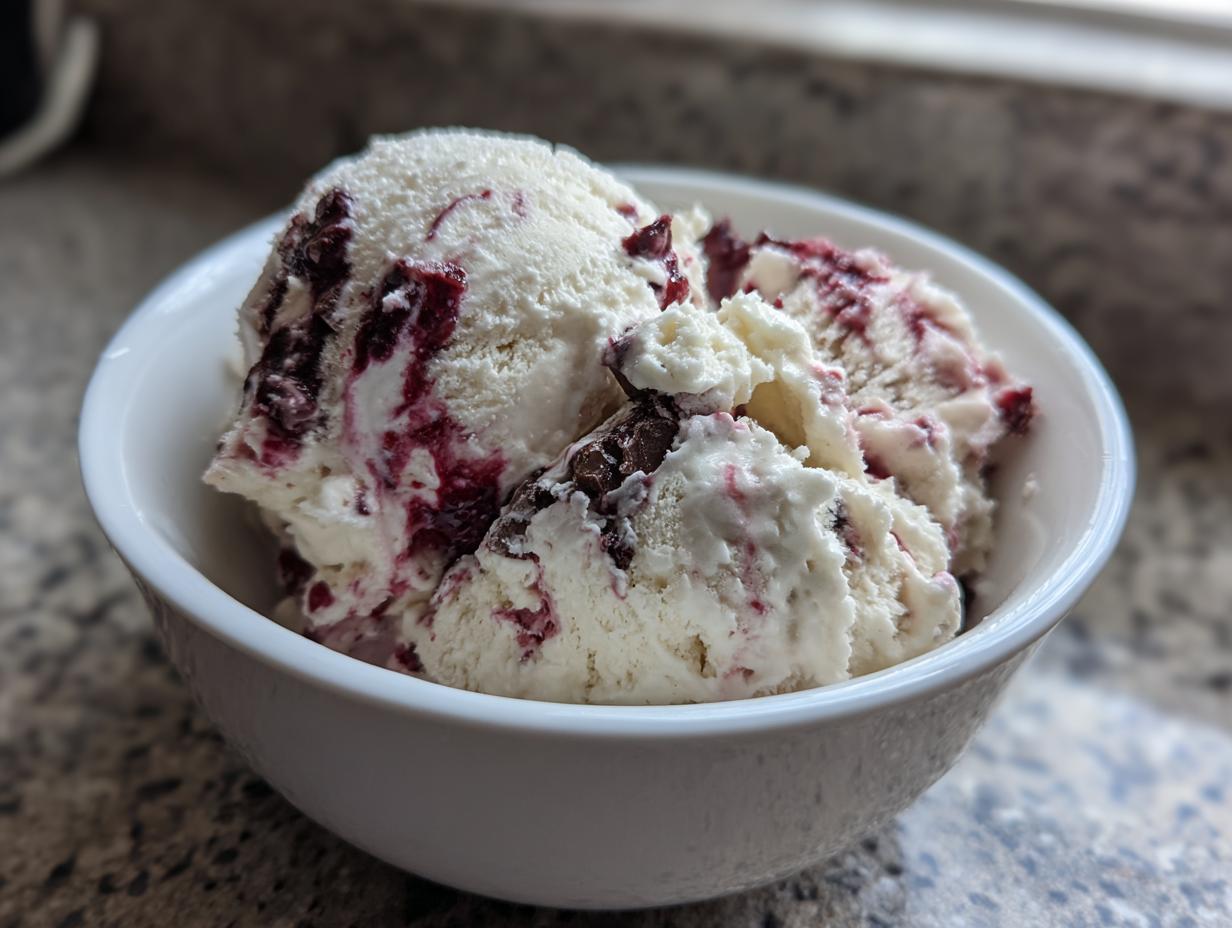
Forget everything you thought you knew about healthy desserts, because I’ve cracked the code on something truly unbelievable. I’m talking about making the creamiest, dreamiest **high-protein cottage cheese ice cream** you will ever taste. Seriously, this isn’t gritty nonsense; this is velvety smooth perfection that packs a nutritional punch!
When I first started messing around with cottage cheese as a base, I was worried it would taste like a savory mistake. I mean, who wants salty ice cream, right? But after weeks of testing different ratios—and yes, wasting a few batches that ended up in the sink—I found the sweet spot. The secret is blending it until it absolutely *screams* smooth before it even sees the ice cream maker.
My goal was simple: create a dessert that satisfies that late-night craving but keeps me on track with my protein goals. This recipe delivers 15 grams per scoop without tasting remotely “healthy.” Trust me, once you nail this base, you’ll be tossing out the tubs from the grocery store freezer section forever. Let’s get blending!
Essential Ingredients for High-Protein Cottage Cheese Ice Cream
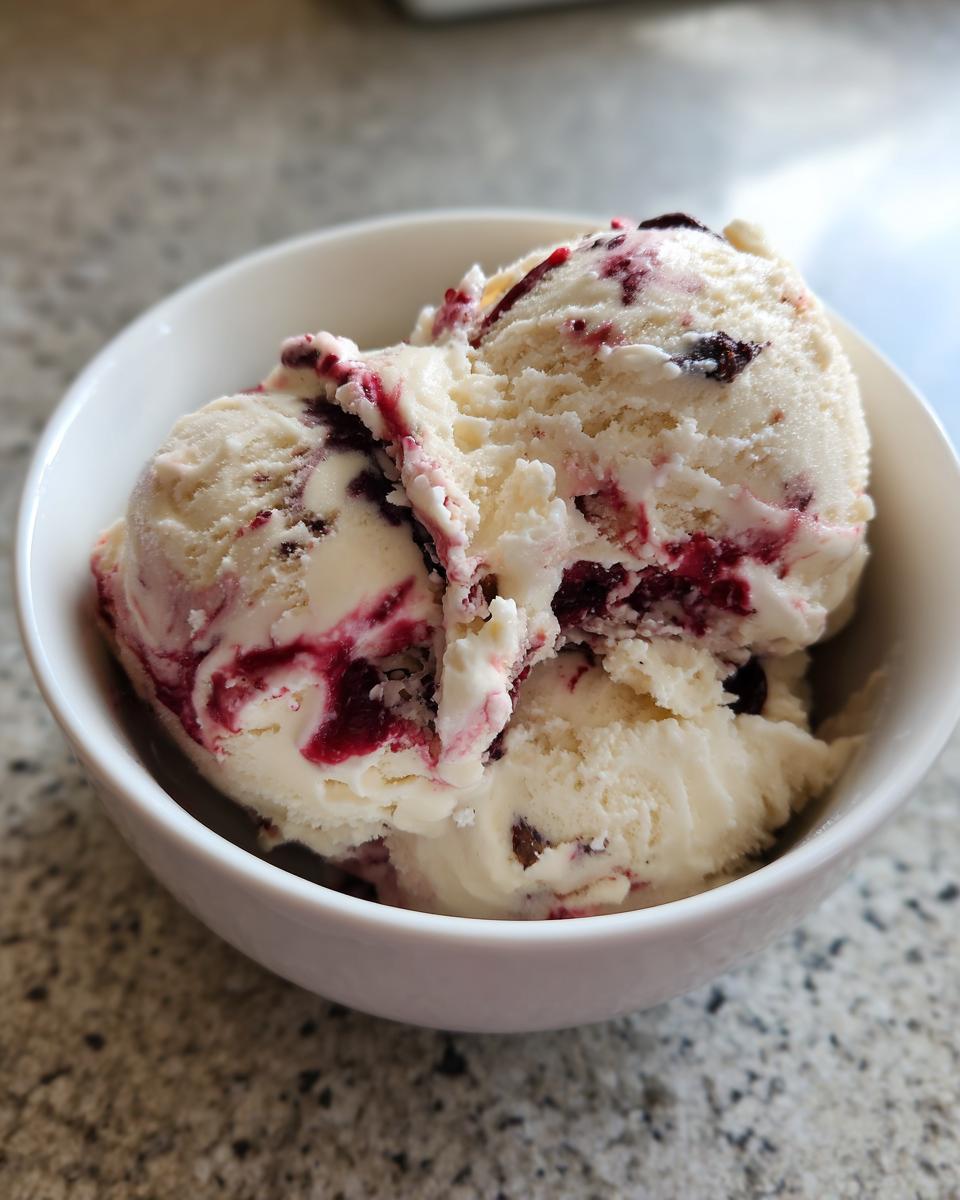
The beauty of this **high-protein cottage cheese ice cream** is that it uses simple, whole ingredients you probably already have. We aren’t relying on weird powders or stabilizers here; we are relying on dairy magic! Getting the foundation right is everything, so pay close attention to the dairy amounts, as they are what makes this dessert so incredibly creamy but still packed with protein.
Here’s the lineup for the base mixture. I always lay everything out on the counter before I start blending—it just makes the process faster, especially when you’re excited to get to the churning part!
| Ingredient | Amount |
| Low-fat cottage cheese | 2 cups |
| Plain Greek yogurt | 1 cup |
| Unsweetened almond milk (or milk of choice) | 1/2 cup |
| Honey or maple syrup | 1/4 cup |
| Vanilla extract | 1 tablespoon |
Choosing Your Dairy Components for High-Protein Cottage Cheese Ice Cream
The two stars here are the cottage cheese and the Greek yogurt. We use low-fat cottage cheese because it blends up beautifully, providing that thick, almost cheesecakey body without adding excess fat. Don’t skip the blending step for this, or you’ll end up with little curds, and nobody wants that in their ice cream!
The Greek yogurt is there to boost the protein content even further and add a slight tanginess that cuts through the sweetness. Together, these dairy components give us that high-protein count while providing the structure needed to mimic real ice cream. If you use full-fat cottage cheese, it will be richer, but the texture might be slightly heavier, so I stick to low-fat for the best results.
Sweeteners and Flavorings
I usually reach for honey because I love the floral notes it adds, but maple syrup works just as well if you prefer that deeper caramel flavor. Start with 1/4 cup; you can always add more later after blending. It’s much easier to add sweetness than to take it away!
Vanilla extract is non-negotiable—it just rounds out the flavor profile so beautifully. Make sure it’s good quality vanilla. A tablespoon seems like a lot, but trust me, it’s necessary to balance the tanginess of the yogurt and the slight saltiness of the cheese.
Optional Mix-Ins for Your High-Protein Cottage Cheese Ice Cream
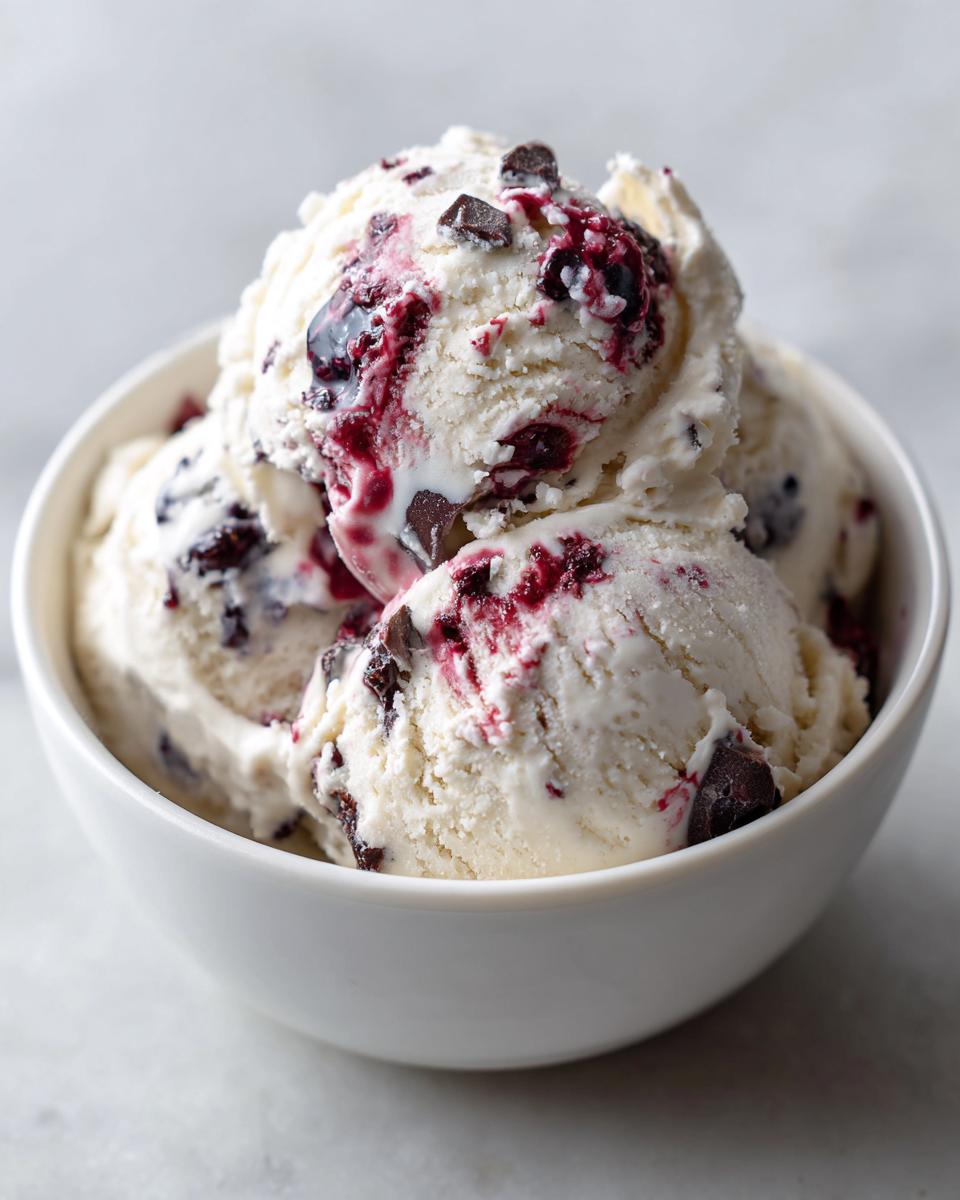
This is where you get to play! While the base is fantastic on its own, adding texture makes it feel like a real treat. Berries—especially raspberries or blueberries—are my go-to because they mix sweetness and tartness. If you’re a chocolate person, mini chocolate chips are amazing.
The crucial thing to remember about mix-ins is *when* you add them. You fold these in right at the end, after the base is smooth and just before it goes into the machine. If you blend them in, they’ll just break down into little colored streaks, and we want defined chunks or swirls, not just colored ice cream!
Step-by-Step Guide to Perfect High-Protein Cottage Cheese Ice Cream
Alright, let’s get down to business. This is where the magic happens, transforming a few dairy ingredients into what feels like a decadent dessert. The sequence matters here, so don’t rush the blending, and definitely make sure your ice cream maker bowl is frozen solid!
Blending for Ultimate Smoothness in Your High-Protein Cottage Cheese Ice Cream
Step one is all about achieving that velvety base. Grab your blender—a good, strong one makes this part so much easier. You’re going to dump in all the main ingredients: the cottage cheese, the Greek yogurt, the milk, your sweetener, and that vanilla extract.
Now, blend! And I mean *really* blend. You need to run this until you can’t see any distinct cottage cheese curds anymore. Initially, it might look foamy, and that’s okay. Keep going until it looks like a thick, slightly runny milkshake. If you stop too soon, you’ll end up with little white lumps in your finished **high-protein cottage cheese ice cream**, and that ruins the whole experience. I usually let mine run for a full minute, scraping down the sides once, just to be sure everything is totally incorporated. Taste it here—this is your last chance for easy adjustments!
Churning Your High-Protein Cottage Cheese Ice Cream Base
Once the base is perfectly smooth, it’s time for the ice cream maker. Make absolutely certain the bowl for your machine has been in the freezer for at least 24 hours. If it’s not cold enough, the mixture won’t freeze properly, and you’ll end up with soup!
Pour the smooth mixture into the machine and turn it on. Churning usually takes about 20 to 25 minutes, depending on your model. You’ll notice it thickening up rapidly. Keep an eye on it; you’re looking for that perfect soft-serve stage. If you plan on adding any mix-ins, this is the time to gently fold them in during the last minute of churning so they don’t get pulverized.
Achieving Soft-Serve Consistency
When it’s done churning, your **high-protein cottage cheese ice cream** will look like the soft-serve you get at a fast-food place—it’ll hold its shape but still be very soft. If you tried to scoop it now, it would probably just fall off the spoon!
To get that nice, firm scoopable texture we all love, you need to transfer it. Use a spatula to move the soft ice cream into a freezer-safe container—a loaf pan works great because it’s shallow. Cover the top surface directly with plastic wrap before putting the lid on. This stops ice crystals from forming on the surface. Then, slide it into the freezer for about one to two hours. That short freeze time is usually enough to firm it up perfectly for scooping!
Tips for Success When Making High-Protein Cottage Cheese Ice Cream
Making this dessert is surprisingly easy, but a few little tricks make the difference between good and *amazing*. Honestly, the biggest hurdle people run into is texture, especially if they aren’t using an ice cream machine. Don’t sweat it if your machine is MIA; we have workarounds! If you are looking for more recipe ideas, check out my Pinterest page.
First off, make sure you’re blending for ages. I know I keep saying it, but that smooth base is the key to everything. If you taste it and it’s not sweet enough, add a tiny drizzle more honey now. Once it’s frozen, it will taste less sweet, so err on the side of slightly too sweet before churning.
Another pro tip: when you pull the container out of the freezer before serving, let it sit on the counter for about five to ten minutes. It firms up fast because it’s low in fat, so giving it a little warm-up time makes scooping so much easier. You want it nice and pliable, not rock hard!
Troubleshooting Your High-Protein Cottage Cheese Ice Cream Texture
What if you don’t have an ice cream maker? No problem! You can still make fantastic **high-protein cottage cheese ice cream**. After you blend the base, pour it into a shallow, freezer-safe dish. You need to disturb the ice crystals as they form so the mixture stays creamy.
Stick it in the freezer, but set a timer for 30 minutes. When that timer goes off, pull it out and give it a really vigorous stir with a fork or a whisk—break up all those icy edges. Put it back in. Repeat this process about four to five times over the course of two hours. It takes more effort than the machine, but the result is still wonderfully creamy and much better than just letting it freeze solid! For more recipe inspiration, see what I’m sharing on Medium.
Serving Suggestions for Your High-Protein Cottage Cheese Ice Cream
Once you’ve got that perfectly scooped, protein-packed dessert ready, it deserves a little dressing up! Since the base flavor is clean and slightly tangy, we want toppings that complement that without adding too much extra sugar. I find that keeping the toppings simple really lets the quality of the ice cream shine through. If you are interested in other high-protein recipes, check out my guide on cottage cheese pancake bowl.
If you folded in berries, they are already perfect, but a sprinkle of toasted slivered almonds on top adds a fantastic crunch. For the plain vanilla base, try a drizzle of dark chocolate syrup—it hardens slightly in the cold, giving you that satisfying snap. A tiny dusting of cocoa powder or cinnamon also looks beautiful and adds just a hint of complexity without messing with the texture too much. It’s the perfect way to turn your healthy snack into a stunning dessert!
Storing and Reheating High-Protein Cottage Cheese Ice Cream
Because this **high-protein cottage cheese ice cream** is lower in fat and stabilizers than store-bought versions, how you store it really matters for texture. You want to keep that creamy consistency we worked so hard to achieve! Always transfer the churned ice cream into a shallow, airtight container.
I actually prefer using a loaf pan covered tightly with plastic wrap pressed directly onto the surface before putting the lid on. This prevents those nasty freezer burns and ice crystals from forming on top. If stored correctly, it stays great for up to two weeks. Don’t be surprised if it gets a little harder than commercial ice cream; that’s just the nature of making real food!
When you’re ready to eat it, remember that low-fat recipes freeze solid faster. You can’t just grab a spoon and dig in immediately. Let it sit on the counter for about five to ten minutes before serving. It softens up nicely and becomes perfectly scoopable again.
| Storage Detail | Guideline |
| Shelf Life | Up to 2 weeks |
| Container Type | Airtight, freezer-safe dish |
| Thawing Time (Before Scooping) | 5-10 minutes at room temperature |
Frequently Asked Questions About High-Protein Cottage Cheese Ice Cream
I get so many questions every time I post this recipe about how to manage the texture or what substitutions are okay. It’s natural; everyone’s kitchen setup is different! Here are the top things I hear most often about making this dessert.
Can I Make High-Protein Cottage Cheese Ice Cream Without a Machine?
Absolutely, yes! While the machine makes it the creamiest, you can totally do this without one. After you blend your smooth base, pour it into a shallow dish and pop it in the freezer. You must remember to pull it out every 30 minutes and stir it vigorously with a fork or a whisk for about four or five cycles. This breaks up the ice crystals and keeps your **high-protein cottage cheese ice cream** from turning into a solid block of ice. It takes more effort, but the result is still fantastic! For more tips on making healthy swaps, check out my post on savory cottage cheese egg muffin cups.
What is the Primary Benefit of This High-Protein Cottage Cheese Ice Cream?
The primary benefit, hands down, is the nutritional boost! This isn’t just a treat; it’s a smart snack. You are getting about 15 grams of protein per serving, thanks to the cottage cheese and Greek yogurt combination. That means you can satisfy that sweet craving without spiking your sugar too high or feeling hungry again twenty minutes later. It’s guilt-free satisfaction!
Can I Substitute the Milk Type?
You certainly can! If you can’t use almond milk, any milk works fine, but remember that the fat content will slightly change the final texture. Whole milk will make it a bit richer, while oat milk might make it slightly denser. Just stick to unsweetened versions so you can control the sweetness yourself. This recipe is very forgiving with the milk choice!
Why does my cottage cheese ice cream taste slightly tangy?
That slight tanginess is totally normal and is actually a good sign! It comes from the natural lactic acid in the Greek yogurt and the cottage cheese itself. It’s what keeps the final **high-protein cottage cheese ice cream** from tasting overly sweet or flat. If it bothers you, just add another teaspoon of honey to the base before churning, but I think that little bit of tang balances the vanilla perfectly!
Nutritional Snapshot of High-Protein Cottage Cheese Ice Cream
I know for a fact that when I’m reaching for a snack, I want to know what I’m putting into my body. Since we are using low-fat dairy and natural sweeteners, this ice cream is a real winner for keeping things light while still feeling indulgent. Remember, since we are using honey or maple syrup, the exact sugar content can vary based on how much you decide to add! If you are interested in other high-protein desserts, look at my high-protein breakfast quesadilla.
These numbers are based on the base recipe without any added mix-ins like chocolate chips or berries. Always treat these estimates as a guideline, not a hard science, because every brand of yogurt and cheese is slightly different.
| Nutrient | Estimated Value (Per Serving) |
| Calories | 150 |
| Protein | 15g |
| Fat | 3g |
| Carbohydrates | 12g |
See? Fifteen grams of protein! That’s more than most protein bars, but this tastes like dessert. It’s a fantastic way to sneak in extra protein, especially after a workout or when you need something substantial before bed that won’t derail your goals!
Print
Amazing 15g High-protein cottage cheese ice cream
- Total Time: About 2 hours 35 minutes
- Yield: 4 servings 1x
- Diet: Vegetarian
Description
Make a creamy, high-protein cottage cheese ice cream. This recipe is easy and provides a nutritious dessert or snack.
Ingredients
- 2 cups low-fat cottage cheese
- 1 cup plain Greek yogurt
- 1/2 cup unsweetened almond milk (or milk of choice)
- 1/4 cup honey or maple syrup
- 1 tablespoon vanilla extract
- Optional: 1/2 cup fresh or frozen berries, chocolate chips, or nuts for mix-ins
Instructions
- Blend the cottage cheese, Greek yogurt, almond milk, honey, and vanilla extract in a blender until smooth and creamy.
- Taste the mixture and adjust sweetness if needed by adding a little more honey or maple syrup.
- Optional: Fold in berries, chocolate chips, or nuts gently for added texture and flavor.
- Pour the mixture into an ice cream maker and churn according to the manufacturer’s instructions until it reaches a soft-serve consistency (about 20-25 minutes).
- Transfer the ice cream to a freezer-safe container and freeze for 1-2 hours to firm up to desired consistency.
- Serve and enjoy a creamy, high-protein dessert perfect for any season.
Notes
- Blending well ensures a smooth ice cream texture.
- Churn in a cold ice cream maker bowl for best results.
- Add mix-ins last to avoid breaking them down.
- Let ice cream sit a few minutes at room temperature before scooping.
- For a no-ice-cream-maker version, freeze the blend and stir every 30 minutes until firm.
- Store ice cream in airtight containers in the freezer for up to 2 weeks.
- To re-soften, leave at room temperature for 5-10 minutes before serving.
- Prep Time: 10 minutes
- Cook Time: 25 minutes (churning)
- Category: Dessert
- Method: Ice Cream Maker
- Cuisine: American
Nutrition
- Serving Size: 1 serving
- Calories: 150
- Sugar: Not explicitly listed
- Sodium: Not explicitly listed
- Fat: 3g
- Saturated Fat: Not explicitly listed
- Unsaturated Fat: Not explicitly listed
- Trans Fat: Not explicitly listed
- Carbohydrates: 12g
- Fiber: Not explicitly listed
- Protein: 15g
- Cholesterol: Not explicitly listed