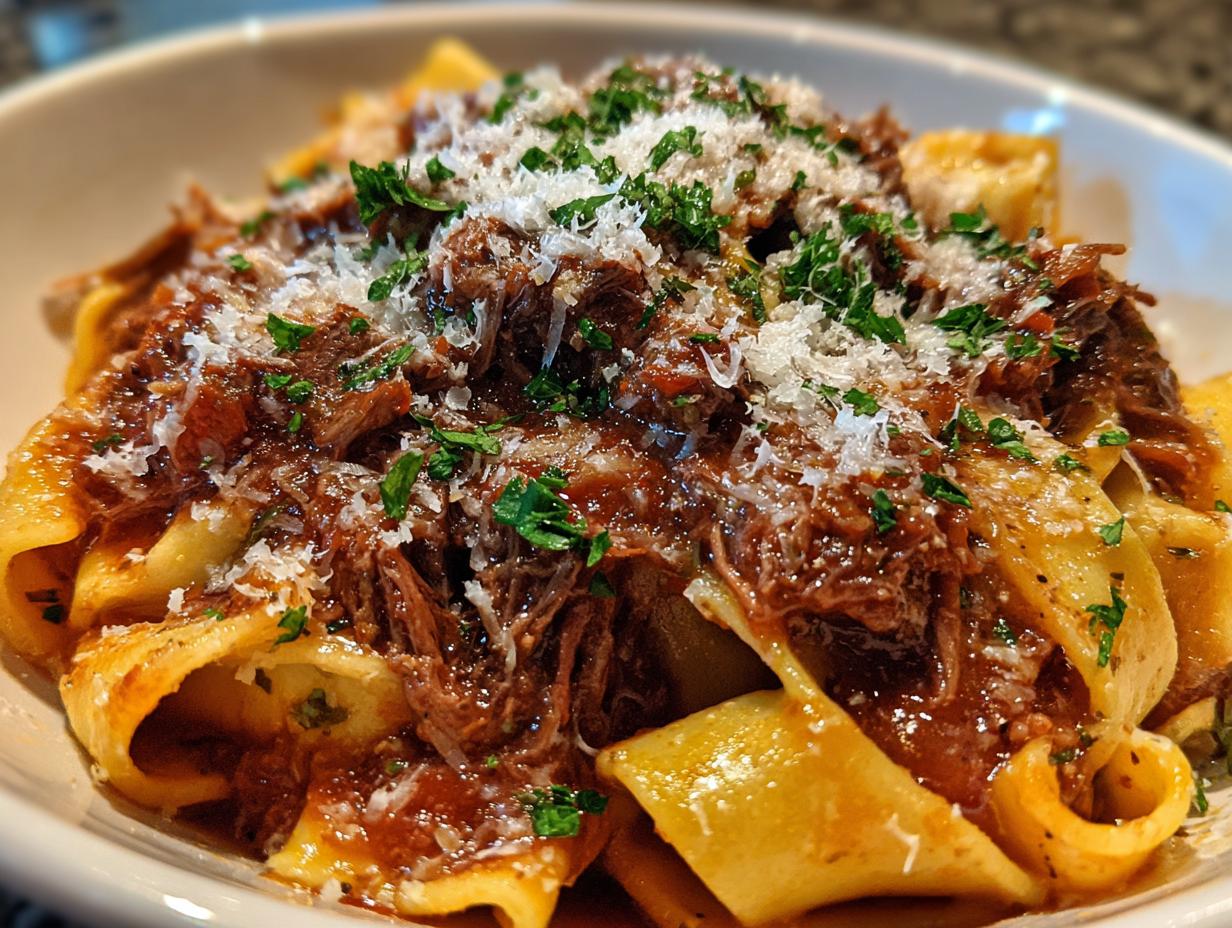
If you think you know meat sauce, think again! I’m about to share my absolute favorite recipe for a classic Beef Ragu that will change how you look at dinner forever. Forget those thin, watery sauces you’ve had before. This isn’t just any tomato sauce; this is a deep, complex, slow-simmered wonder that turns humble beef chuck roast into something unbelievably tender.
Seriously, the magic here is the time we give it. We’re talking three hours of gentle bubbling on the stove. I know, I know, that sounds long, but trust me—that low, slow braise is what breaks down the tough fibers in the beef until it just melts apart with a fork. My kitchen smells like heaven during this process; it’s the scent of pure comfort!
We use a few key secret weapons, like a splash of balsamic vinegar right at the start, which cuts through the richness perfectly. When you finally shred that beef and stir it back into the bright, chunky tomato sauce? Wow. You’ll never go back to ground beef again once you taste this hearty, authentic ragu. 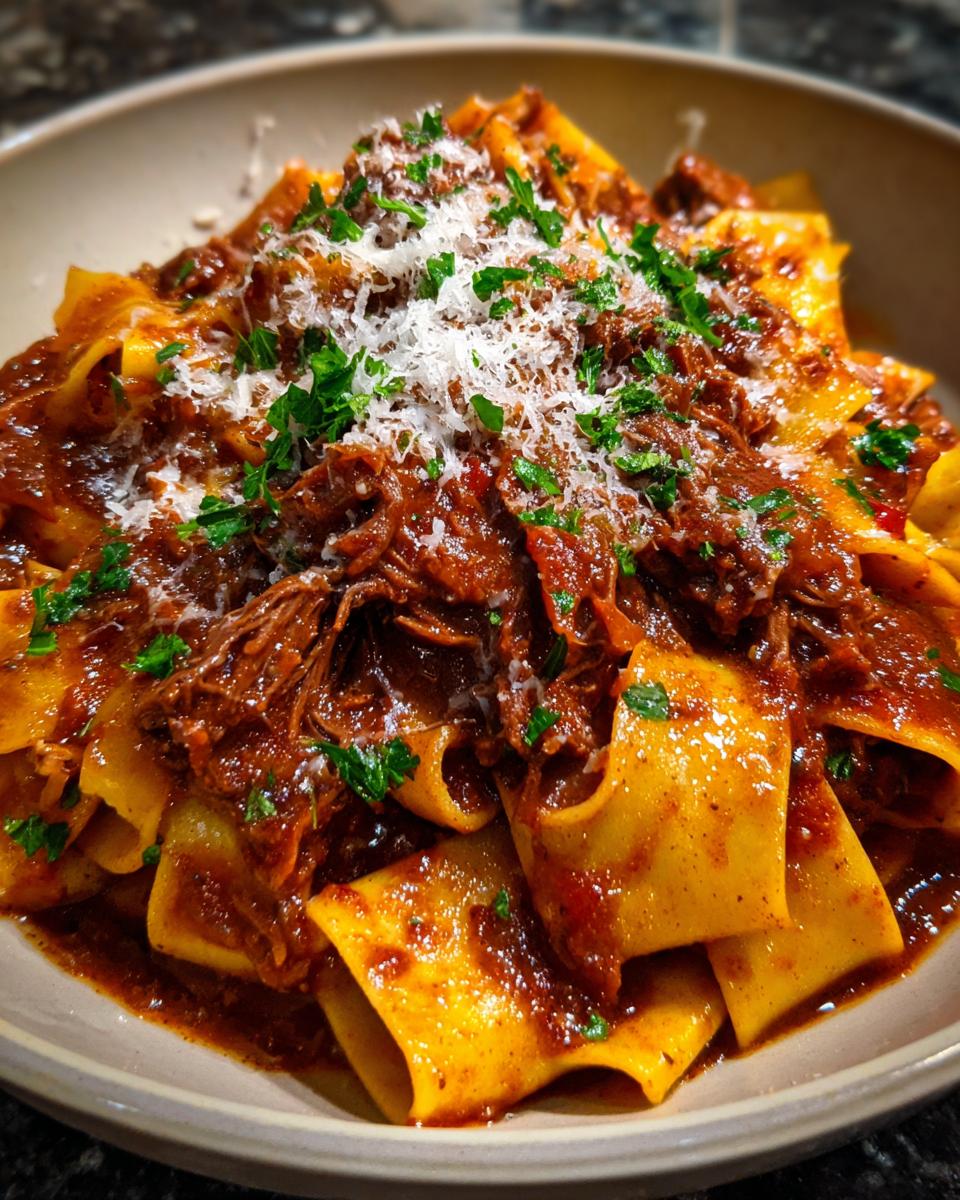
Gathering Your Components for Rich Beef Ragu
Before we even think about turning on the heat, we need to get organized. Cooking a deep, flavorful Beef Ragu like this is all about setting yourself up for success early on. Don’t rush the prep work, especially with the vegetables!
I always tell folks that the quality of your initial ingredients really shines through after three hours of simmering. We need hearty beef, fresh aromatics, and good quality tomatoes. Do yourself a favor and make sure everything is chopped and measured before you start searing—it keeps you calmer when things get busy! You can find more inspiration here.
Essential Ingredients for Perfect Beef Ragu
You’ll notice we use a big chunk of chuck roast here, not ground meat. That’s what gives this ragu its amazing texture! I’ve listed everything out below. Honestly, looking at the list can be a little intimidating, but once you see the quantities, it makes more sense.
Don’t worry about writing down the exact measurements right now; I’ve put all the precise amounts and prep notes into a handy table that follows this section. Just gather up the items listed below:
Ingredient Table Guidance
Create a multi-table listing all ingredients with precise measurements and preparation notes, e.g., ‘3 tablespoons olive oil’, ‘1 large yellow onion, finely diced’.
Equipment Needed for Stove-top Beef Ragu
Since this is a stove-top braise, you really need one star player: a heavy Dutch oven. This keeps the heat even, which is crucial for that gentle 3-hour simmer. You’ll also want a couple of sturdy forks for shredding later, and of course, your trusty wooden spoon for scraping up all those delicious browned bits!
Step-by-Step Instructions for Tender Beef Ragu
This is where the magic really happens, but remember: patience is your main ingredient here. We are building layers of flavor, so don’t rush the browning or the sautéing. Follow these steps precisely, and you’ll have the most amazing Beef Ragu you’ve ever tasted! If you love slow-cooked beef, try this ramen next.
Preparing and Searing the Beef
First things first, grab that big chuck roast and cut it into four roughly equal chunks. They don’t need to be perfect, but make sure they are manageable pieces. Now, this next part is super important for flavor—pat those pieces bone dry with paper towels. Seriously, get them dry! Moisture creates steam, and we want a beautiful, dark sear, not steamed beef.
Season them aggressively—use that kosher salt and black pepper on all sides. Heat up your olive oil in that big Dutch oven over medium-high heat until it shimmers a little. Carefully place the beef in the hot oil. Don’t crowd the pot; sear each side for about 4 or 5 minutes until you get a deep, mahogany brown crust. That crust is pure flavor gold for your final sauce!
Once they look gorgeous and browned, pull them out and let them rest on a plate for a minute while we move straight into the next step.
Building the Flavor Base for Your Beef Ragu
Keep the heat at medium now. Toss in your diced onion, carrots, and celery—this is your *soffritto*, the flavor foundation of any great Italian sauce. Let them cook down slowly for a good 8 to 10 minutes. You want them super soft, almost melting, so the onions go translucent and sweet. Don’t stir them too aggressively at first; let them sit and soften.
Next, make a little space in the middle of the veggies and add your minced garlic and the tomato paste. Cook these for just 2 minutes, stirring them into the hot oil. You’ll see the paste darken slightly, which is called ‘blooming,’ and it concentrates that tomato flavor—a huge tip for making a truly rich Beef Ragu!
Now, time to get the good stuff off the bottom of the pot! Pour in the balsamic vinegar and the beef broth. Use your wooden spoon to scrape up all those dark, sticky brown bits stuck to the bottom. That’s called deglazing, and it adds incredible depth. Finally, dump in the crushed tomatoes, toss in your rosemary, thyme, and that dried bay leaf, and slide those beautifully seared beef chunks right back in with all their resting juices.
The Slow Simmer: Cooking the Beef Ragu
Bring the whole thing up to a boil, just for a second, and then immediately drop the heat down to the absolute lowest setting you have. We want a *very* gentle simmer—just a bubble every few seconds. Cover the pot tightly.
This is the waiting game: let it cook, covered, for 3 full hours. Resist the urge to peek too often! That long, slow braise is what transforms the tough chuck roast into the fork-tender meat we need. When it’s done, the internal temperature should hit at least 145°F, and the meat should feel like butter. Carefully lift the beef out onto a cutting board. Toss the herb stems and bay leaf, and then use two forks to shred that meat right there. It should fall apart easily! 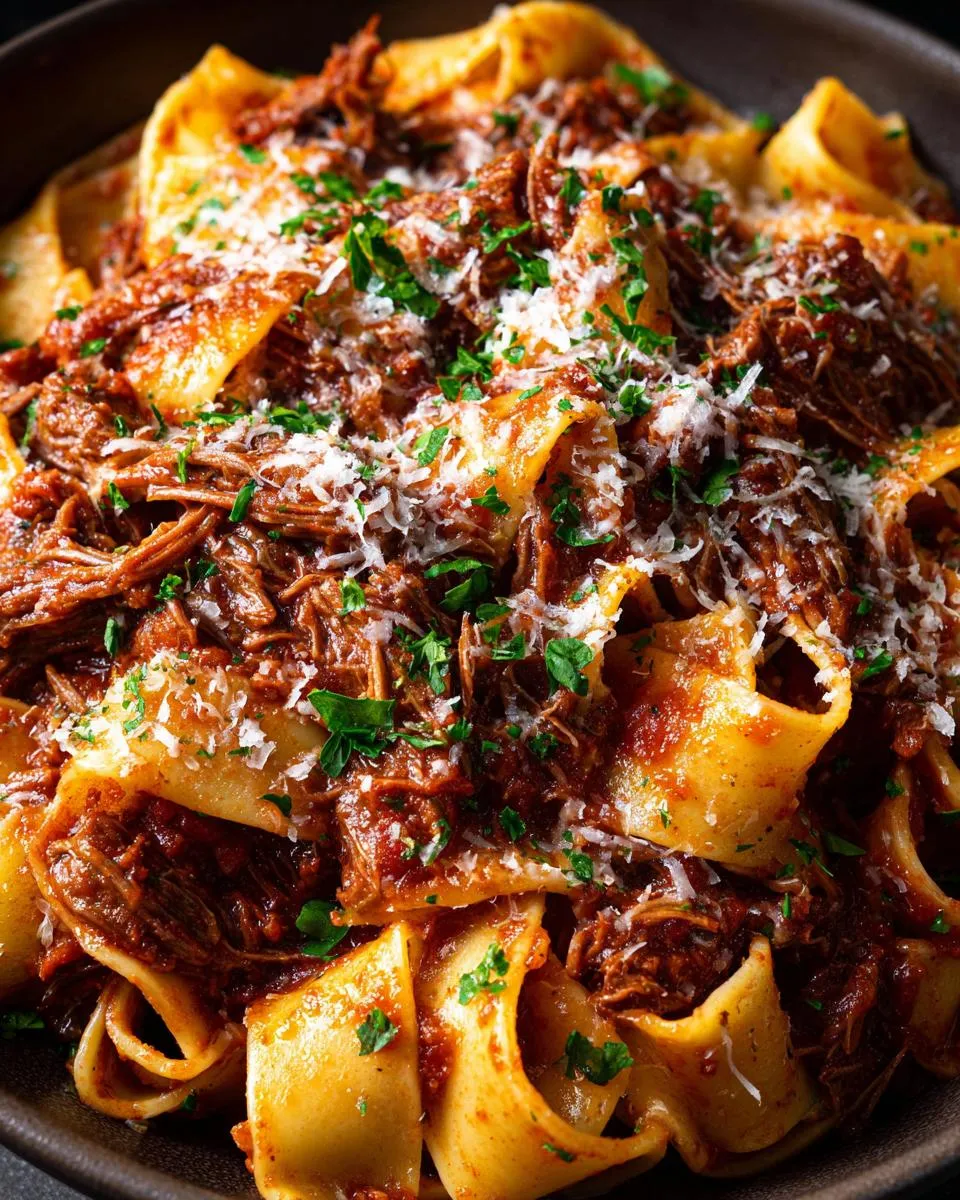
Stir the shredded meat right back into that gorgeous, thick sauce. That’s your base Beef Ragu ready to go!
Finishing and Serving the Beef Ragu with Pasta
For the final touch, stir in those 2 tablespoons of cold, unsalted butter. This is my little trick—it emulsifies slightly with the sauce, giving it this incredible, glossy sheen that just looks professional. Taste it now and adjust salt and pepper if you need to.
While the beef was shredding, you should have been boiling your pappardelle. Make sure you cook it just until it’s al dente, following the package directions. Drain it well, and then immediately toss the hot pasta directly into the pot with the ragu. Stir everything until every strand is coated thickly. Serve it up right away, topped with fresh Parmesan and a sprinkle of parsley. Perfection! See more cooking tips on Medium.
Tips for Making the Best Beef Ragu Every Time
Even though this recipe is pretty straightforward, a couple of little secrets ensure your Beef Ragu comes out restaurant-quality every single time. Honestly, once you’ve got this technique down, you’ll be making it weekly! Don’t be tempted to rush the process—that’s the number one mistake people make.
The flavor actually gets even better the next day, so if you can manage it, make this sauce the day before you plan to eat it. Letting those flavors marry in the fridge overnight makes all the difference in the depth of the finished dish. For other great dinner ideas, check out this broccoli cheddar pasta.
Achieving Fork-Tender Beef
The only way to get that melt-in-your-mouth texture is respecting the low and slow cook time. I can’t stress this enough: keep the heat on the lowest setting possible. If the sauce is boiling hard, the meat will seize up and get tough, even after three hours. You want the gentlest simmer you can manage—just a lazy bubble breaking the surface every few seconds. That consistent, low heat is what breaks down the collagen in the chuck roast perfectly.
Pasta Pairing for Your Beef Ragu
You absolutely must use a wide, sturdy noodle for this sauce! The recipe calls for pappardelle, and I highly recommend sticking with that. Since this Beef Ragu is chunky and thick, thin spaghetti just can’t handle it; the sauce slides right off.
Wide noodles, like pappardelle or even fresh tagliatelle, have the surface area needed to grab onto all that shredded beef and rich tomato base. When you drain the pasta, make sure it’s still a little bit firm (al dente) because it will keep cooking for a minute or two once you toss it with the hot sauce! Try this lentil flour pasta sometime.
Storing and Reheating Leftover Beef Ragu
The best part about making a huge pot of Beef Ragu? Having leftovers! This sauce actually tastes better the next day because all those herbs and tomato flavors have time to really settle in and mingle. You shouldn’t worry about it drying out, either, because that chuck roast is packed with moisture.
When storing, make sure the sauce has cooled down a bit before you seal it up. If you’re planning on eating it within a few days, the fridge is great. If you made a massive batch like I usually do, freezing is the way to go. It keeps beautifully for months!
Storage Guidelines for Beef Ragu
Create a multi-table here detailing storage times in the refrigerator and freezer.
Common Questions About Making Beef Ragu
I get so many questions about this recipe, and that’s wonderful! It means you’re excited to dive in. Most of the questions I get revolve around time and safety, which makes total sense when you’re cooking something this rich. Let’s tackle a few of the most common things people ask about this incredible Beef Ragu.
Don’t worry if you mess up a step or two; this sauce is very forgiving because of that long simmer time. That’s the beauty of slow cooked beef! For another comforting meal, check out this list of cozy soup recipes.
Can I make this Beef Ragu ahead of time?
Oh, please do! This is one of my favorite things to make on a Sunday, and we eat it all week. When you make a hearty tomato sauce like this ahead of time, the flavors deepen overnight. It’s true! The spices marry the beef fibers, and you get a much more complex flavor the second day. Just let it cool completely, store it in an airtight container, and reheat it gently on the stove the next time you want to serve it over pasta.
What is the minimum safe temperature for the beef?
This is an important safety question! When we pull that chuck roast out of the pot after the three hours, we need to make sure it’s fully cooked through. The instructions call for the beef to reach a minimum internal temperature of 145°F. Since we are cooking it so low and slow, it will almost certainly be much higher than that, but checking ensures everything is safe before you go shredding it into your delicious ragu!
Understanding the Nutrition in Our Beef Ragu
Now, I know some of you are tracking macros or watching your sodium intake, and that’s great! When you’re dealing with a homemade sauce like this amazing Beef Ragu, the nutritional breakdown can change quite a bit depending on what you buy.
For example, the saltiness of your beef broth or the fat content of your chuck roast can swing the numbers a little. I’ve provided a general estimate in the nutrition chart, but please treat it as a guideline, not a strict rule!
Disclaimer Regarding Nutritional Data
What I want you to know is that the nutritional information listed for this recipe is purely an estimate. This is based on the exact ingredients and amounts I used when I tested this batch. If you use a leaner cut of beef, or maybe a lower-sodium broth, your final numbers will look different!
Also, don’t forget about what you serve it with! The calories listed don’t include the pappardelle pasta, the Parmesan cheese, or any extra olive oil you might drizzle on top when you serve it. It’s a hearty dish, so keep that in mind when you’re planning your meal!
Share Your Experience Making Beef Ragu
I truly hope this recipe brings as much comfort to your table as it brings to mine. Now that you’ve tried making this incredible, tender Beef Ragu, I’d love to hear what you think!
Did it turn out perfectly tender? What wine did you pair with it? Hop down to the comments below, give this recipe a rating, and share your success stories with the rest of us!
Print
Amazing 3-Hour Beef Ragu Secret Revealed
- Total Time: 3 hours 35 minutes
- Yield: 6 servings 1x
- Diet: N/A
Description
Simmer tender beef chuck roast in a rich tomato and vegetable sauce for the ultimate comforting dinner. This stove-top ragu transforms tough beef into a melt-in-your-mouth meat sauce.
Ingredients
- 2.5 pounds boneless beef chuck roast
- 2 teaspoons kosher salt
- 1 teaspoon freshly ground black pepper
- 3 tablespoons olive oil
- 1 large yellow onion
- 2 medium carrots
- 2 stalks celery
- 4 cloves garlic
- 3 tablespoons tomato paste
- 2 tablespoons balsamic vinegar
- 1.5 cups beef broth
- 28 ounces crushed tomatoes
- 2 sprigs fresh rosemary
- 4 sprigs fresh thyme
- 1 dried bay leaf
- 16 ounces dry pappardelle pasta
- 2 tablespoons unsalted butter
- 0.5 cup grated Parmesan cheese
- 2 tablespoons fresh parsley
Instructions
- Cut the beef chuck roast into four large equal pieces and pat them dry with paper towels.
- Season the beef generously on all sides with the kosher salt and black pepper.
- Heat the olive oil in a large Dutch oven over medium-high heat and sear the beef for 4 to 5 minutes per side until deeply browned.
- Remove the beef from the pot and set it aside on a plate to rest.
- Lower the heat to medium and add the finely diced onion, carrots, and celery to the pot.
- Sauté the vegetables for 8 to 10 minutes until they are very soft and the onion is translucent.
- Stir in the minced garlic and tomato paste and cook for 2 minutes until the paste darkens slightly.
- Pour in the balsamic vinegar and beef broth while scraping the brown bits off the bottom of the pot with a wooden spoon.
- Add the crushed tomatoes, rosemary, thyme, bay leaf, and the seared beef with its resting juices back into the pot.
- Bring the liquid to a boil and then reduce the heat to the lowest setting to maintain a very gentle simmer.
- Cover the pot with a tight-fitting lid and cook for 3 hours until the beef is fork-tender and reaches a minimum internal temperature of 145°F.
- Remove the beef from the pot, discard the herb stems and bay leaf, and shred the meat into bite-sized pieces using two forks.
- Return the shredded beef to the sauce and stir in the unsalted butter to create a glossy finish.
- Boil the pappardelle in a separate pot of salted water according to package directions until al dente.
- Drain the pasta and immediately toss it with the hot ragu sauce until well coated.
- Garnish with the grated Parmesan cheese and chopped fresh parsley before serving.
Notes
- Wide pappardelle noodles are recommended to hold the thick, chunky sauce.
- The slow braise makes the chuck roast tender.
- The balsamic vinegar balances the richness of the beef.
- Prep Time: 20 minutes
- Cook Time: 3 hours 15 minutes
- Category: Main Course
- Method: Stove-top Braise
- Cuisine: Italian Inspired
Nutrition
- Serving Size: 1 serving
- Calories: 640
- Sugar: N/A
- Sodium: N/A
- Fat: 24g
- Saturated Fat: N/A
- Unsaturated Fat: N/A
- Trans Fat: N/A
- Carbohydrates: 65g
- Fiber: N/A
- Protein: 42g
- Cholesterol: N/A