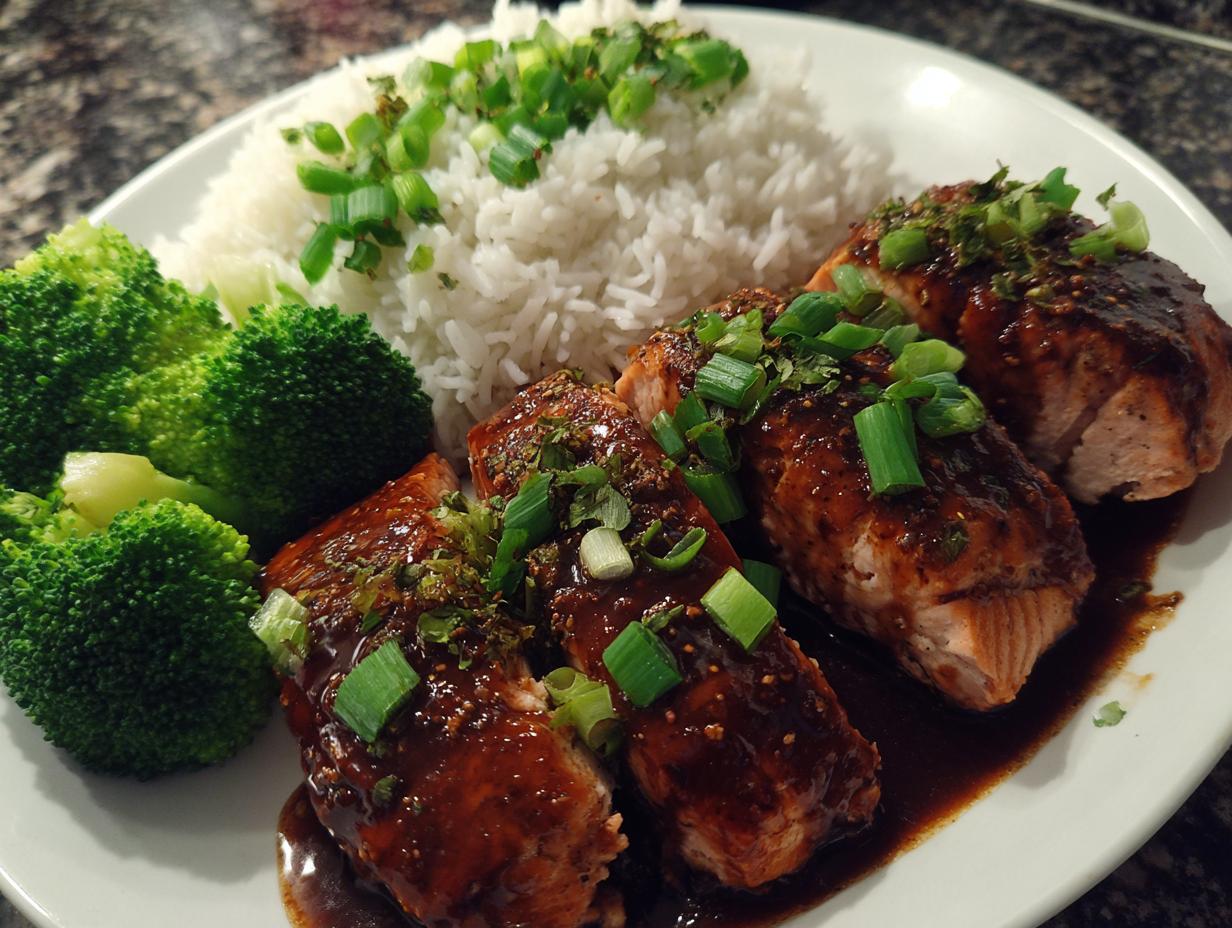
When I think about the food I grew up on here in Asheville, NC, I think of rich flavors—the kind that stick to your ribs. But after losing over 80 pounds, I learned that “comfort” doesn’t have to mean heavy or complicated. That’s the whole mission behind my Easy Detox Recipes blog: taking those deep, satisfying tastes of Southern comfort food made clean and making them work for a busy, healthy life. And let me tell you, nothing fits that bill better than a simple, flaky piece of Baked Teriyaki Salmon.
Forget those fussy recipes that take an hour after work; this salmon is my secret weapon for getting dinner on the table fast. It’s packed with flavor from the glaze but stays light enough for any night of the week. It cooks up beautifully savory and sweet. Seriously, if you’re looking for a main course that tastes like you spent way more time on it than you actually did, this is it!
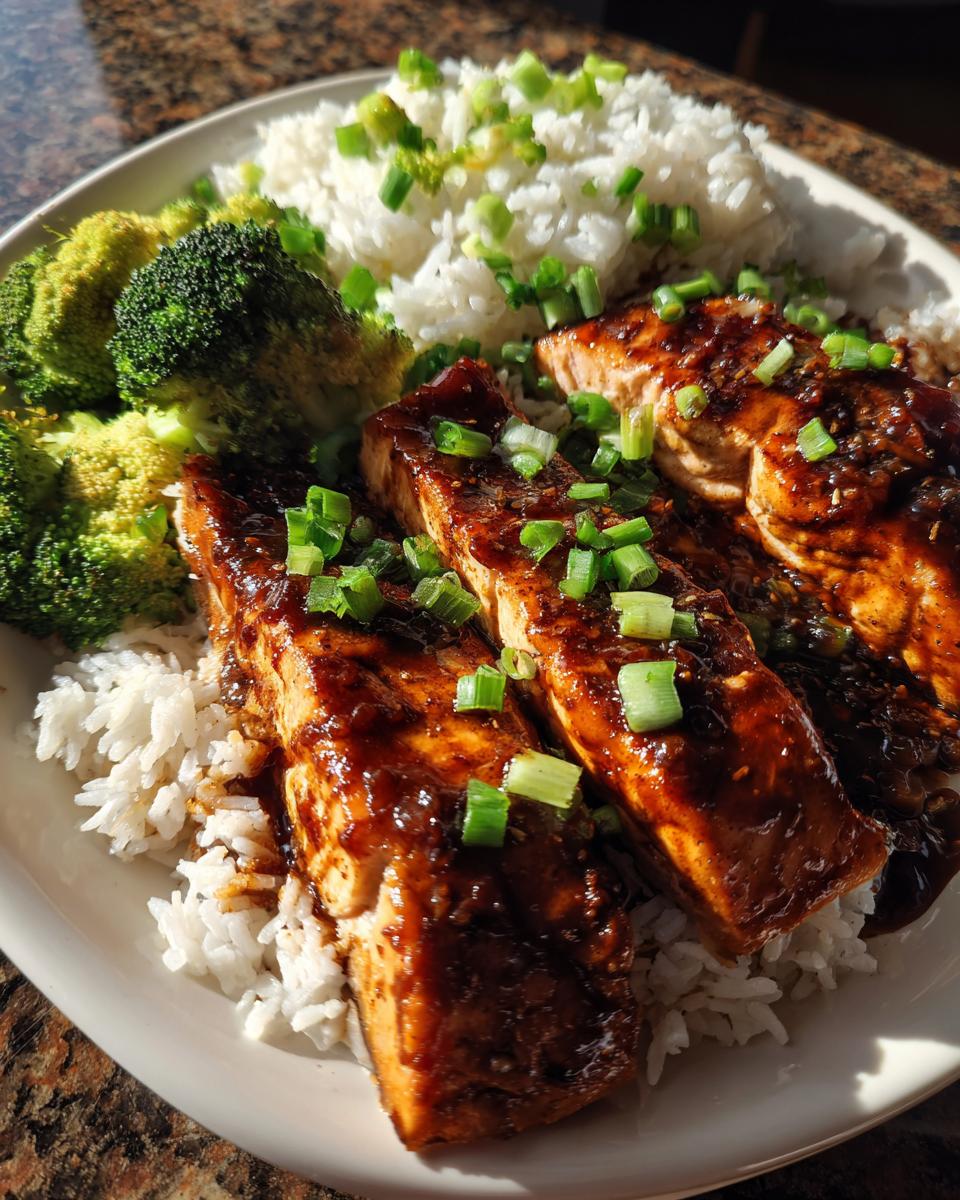
Gathering What You Need for Baked Teriyaki Salmon
Before we even think about turning on the oven, we need to make sure our ingredients are ready to go. Making Baked Teriyaki Salmon is really about having four main components: the fish itself, the sauce to soak it in, and your simple sides to make it a full meal. I always keep my teriyaki sauce recipe handy, but if you have a good store-bought one, that works too! You want everything measured out so that once the oven is hot, you can assemble this in five minutes flat.
Essential Ingredients for Baked Teriyaki Salmon
For the best results, grab these items. Remember, the quality of your salmon really shines through since the cooking method is so straightforward. You definitely want those fresh scallions for the top—don’t skip them!
- 4 salmon fillets (about 4 ounces each)
- 1 batch teriyaki sauce
- 2 cups cooked rice (to serve)
- 2 cups cooked broccoli (to serve)
- ⅓ cup diced scallion (for topping)
Equipment Needed for Perfect Baked Teriyaki Salmon
You don’t need fancy gadgets for this, thank goodness. Just grab a standard baking dish—9×13 works great for four fillets. Make sure you have a good silicone brush handy for getting that sauce right where it needs to be on the fish. That’s all the special stuff!
Preparing Your Baked Teriyaki Salmon: Step-by-Step
This is where the magic happens, and honestly, it’s so simple. We’re aiming for that perfectly flaky texture that doesn’t dry out. If you’re using frozen salmon, plan ahead and let it thaw slowly in the fridge overnight; that really helps maintain its texture. If you forgot, don’t panic—I’ll give you a quick fix later, but letting it defrost properly is always best for Baked Teriyaki Salmon.
First things first, get that oven warmed up to 400 degrees Fahrenheit. While it heats, get your baking dish lightly oiled. This stops the salmon from sticking when it’s time to serve, which is a total lifesaver! Now, look at your salmon. You have a choice here, and it affects your cooking time later.
Initial Salmon Preparation and Sauce Coating
You can treat this like a classic meal and keep the fillets whole, skin-side down in the dish. Or, if you like smaller bites that cook super fast, go ahead and cut those salmon fillets right into one-inch cubes. Whichever way you decide, take about half of your teriyaki sauce and pour it over the fish.
If you’re using whole fillets, grab that silicone brush and make sure every inch of the top surface is coated nicely. If you have about 20 minutes to spare before baking, let it sit on the counter covered. That marinating time really helps the flavor penetrate deeper. If you’re in a rush, just pop it straight into the oven!
The Baking Process for Baked Teriyaki Salmon
Once it’s preheated, the Baked Teriyaki Salmon goes in uncovered. The timing is the only tricky part here. For whole fillets, you’re generally looking at 12 to 18 minutes, depending on how thick they are—thicker fillets need that full 18 minutes. But if you cut it into cubes, they’re much smaller and will cook faster, usually just 10 to 14 minutes.
My rule is to check at the 10-minute mark no matter what. You want the flesh to flake apart easily when you gently poke it with a fork. If you’re feeling frisky and want a little crispness on top, you can switch the oven to broil for the last couple of minutes. Just watch it like a hawk, because broiling happens fast!
Finishing and Plating Your Baked Teriyaki Salmon
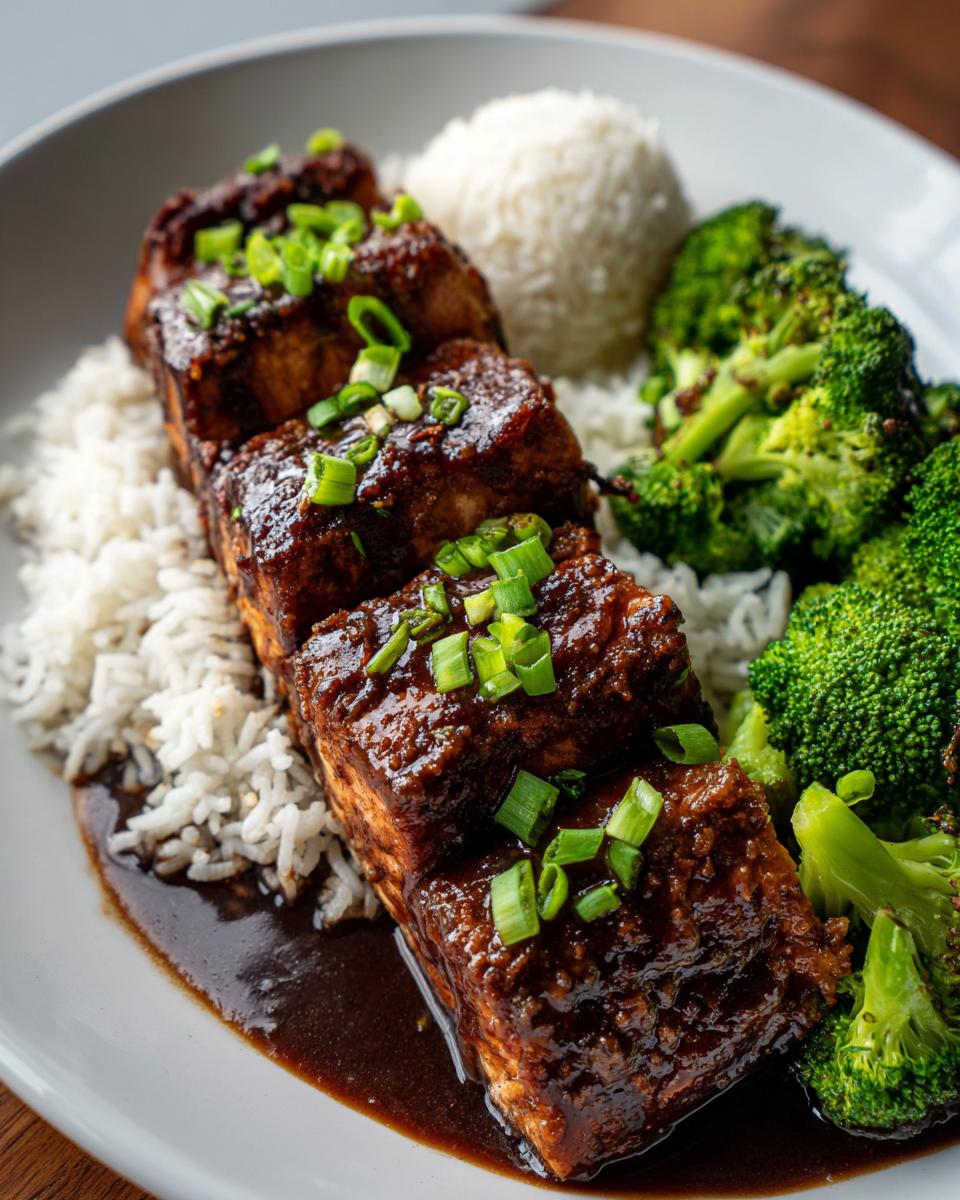
Once it’s perfectly cooked, pull it out! Now, take the remaining teriyaki sauce you saved—this is important—and drizzle it over the top of the hot salmon. Don’t forget to reserve a little extra sauce to drizzle over your rice and broccoli so everything gets that same great flavor profile.
To finish it off, make it look like you ordered it at a nice restaurant. Sprinkle that diced scallion right over the top. If you like a little kick, a pinch of sesame seeds or red pepper flakes adds great texture and color. Serve it immediately alongside those veggies and rice!
Tips for Success with Baked Teriyaki Salmon
The biggest hurdle people run into with Baked Teriyaki Salmon is overcooking it. Salmon is forgiving, but only up to a point! Remember that 400 degrees is hot, which is why the time window is so tight. If you are using very thin fillets, you might only need 10 minutes total, so set a timer for 9 minutes just to be safe.
Another common issue is sticking. I mentioned oiling the dish, but if you’re using a very old or flimsy pan, I sometimes line mine with foil first and then lightly spray the foil. It makes cleanup virtually non-existent! Also, if you decide to cube the salmon, make sure your cubes are relatively uniform in size so they all finish cooking at the exact same time. Consistency is key for that perfect bite every time.
Delicious Serving Suggestions for Baked Teriyaki Salmon
This dish is naturally Asian-inspired, so we want sides that soak up that extra sauce and offer a little freshness. For me, Baked Teriyaki Salmon is almost always served over fluffy white rice. The rice acts like a sponge for any extra glaze that drips off while it’s baking or when you drizzle that last bit of sauce on top.
And you absolutely need a green vegetable. Steamed or lightly sautéed broccoli is my top pick because it holds up well. It doesn’t get mushy under the warm salmon. If you want something different, try some quick-blanched asparagus or even some stir-fried snap peas. Just make sure your sides are ready to go right when the salmon comes out of the oven!
Storing and Reheating Your Baked Teriyaki Salmon
Okay, so if you’re lucky enough to have leftovers of this amazing Baked Teriyaki Salmon, you need to store it right away. Don’t leave it sitting out! Let it cool down completely first—this is super important for food safety. Once it’s cool, put it into an airtight container. It should be good in the fridge for about two days.
When you go to reheat it, skip the microwave if you can. Microwaving tends to make flaky fish a little rubbery. The best way is to warm it gently in a skillet over low heat, or even back in the oven at a low temperature, say 300 degrees, until it’s warmed through. This keeps the flaky texture intact!
| Component | Estimate |
|---|---|
| Serving Size | 1 fillet |
| Calories | N/A |
| Fat | N/A |
| Protein | N/A |
Please remember these values are just rough estimates based on standard ingredients since I don’t usually track the exact nutritional content of my homemade sauce!
Frequently Asked Questions About Baked Teriyaki Salmon
Q1. Can I use frozen salmon fillets for Baked Teriyaki Salmon without defrosting?
You absolutely can, though I prefer defrosting overnight. If you bake straight from frozen, just add about 5 minutes extra to the total cook time. Keep an eye on it, though, as thickness matters!
Q2. What if I don’t have teriyaki sauce? Can I substitute something else?
If you’re out of sauce, you can make a quick glaze using soy sauce, a little honey or maple syrup for sweetness, some grated ginger, and a dash of garlic powder. It won’t be exactly the same, but it gives you that savory Asian flavor profile your Baked Teriyaki Salmon needs.
Q3. My salmon fillets were thin and cooked way too fast! How do I prevent that next time?
That’s usually because the fillets weren’t uniform. When cutting them into cubes, aim for consistency. If you keep them whole, try to select fillets that are roughly the same thickness. For very thin ones, you might only need 10 minutes at 400 degrees for your Baked Teriyaki Salmon.
Q4. Can I use a different fish like cod or tilapia instead of salmon?
Yes, you can! Just know that cod and tilapia are much leaner and cook faster than salmon. If you swap them in, reduce the baking time significantly—start checking for doneness around the 8-minute mark.
Understanding the Nutrition of Baked Teriyaki Salmon
Since this Baked Teriyaki Salmon recipe is one of my go-to clean meals, I know it’s high in protein and healthy fats, which is why I love it after my weight-loss journey. While I don’t measure every single gram of sugar from the sauce, the base ingredients are straightforward.
Salmon provides fantastic omega-3s, and when we serve it with simple rice and broccoli, we get a balanced meal that keeps you full without weighing you down. The main variable here is how much sugar is in your teriyaki sauce, so if you are strictly tracking, homemade sauce gives you the best control! You can see more of my healthy eating philosophy on my Medium profile.
| Nutrient | Estimated Value |
|---|---|
| Calories | N/A |
| Fat | N/A |
| Sugar | N/A |
| Protein | N/A |
Please note these are just estimates based on average component sizes, as homemade sauce recipes can vary widely! You can also find more visual inspiration for clean eating on my Pinterest boards.
Gathering What You Need for Baked Teriyaki Salmon
Before we even think about turning on the oven, we need to make sure our ingredients are ready to go. Making Baked Teriyaki Salmon is really about having four main components: the fish itself, the sauce to soak it in, and your simple sides to make it a full meal. I always keep my teriyaki sauce recipe handy, but if you have a good store-bought one, that works too! You want everything measured out so that once the oven is hot, you can assemble this in five minutes flat.
Essential Ingredients for Baked Teriyaki Salmon
For the best results, grab these items. Remember, the quality of your salmon really shines through since the cooking method is so straightforward. You definitely want those fresh scallions for the top—don’t skip them!
- 4 salmon fillets (about 4 ounces each)
- 1 batch teriyaki sauce
- 2 cups cooked rice (to serve)
- 2 cups cooked broccoli (to serve)
- ⅓ cup diced scallion (for topping)
Equipment Needed for Perfect Baked Teriyaki Salmon
You don’t need fancy gadgets for this, thank goodness. Just grab a standard baking dish—9×13 works great for four fillets. Make sure you have a good silicone brush handy for getting that sauce right where it needs to be on the fish. That’s all the special stuff!
Preparing Your Baked Teriyaki Salmon: Step-by-Step
This is where the magic happens, and honestly, it’s so simple. We’re aiming for that perfectly flaky texture that doesn’t dry out. If you’re using frozen salmon, plan ahead and let it thaw slowly in the fridge overnight; that really helps maintain its texture. If you forgot, don’t panic—I’ll give you a quick fix later, but letting it defrost properly is always best for Baked Teriyaki Salmon.
First things first, get that oven warmed up to 400 degrees Fahrenheit. While it heats, get your baking dish lightly oiled. This stops the salmon from sticking when it’s time to serve, which is a total lifesaver!
Initial Salmon Preparation and Sauce Coating
Now, look at your salmon. You have a choice here, and it affects your cooking time later. You can treat this like a classic meal and keep the fillets whole, skin-side down in the dish. Or, if you like smaller bites that cook super fast, go ahead and cut those salmon fillets right into one-inch cubes. Whichever way you decide, take about half of your teriyaki sauce and pour it over the fish.
If you’re using whole fillets, grab that silicone brush and make sure every inch of the top surface is coated nicely. If you have about 20 minutes to spare before baking, let it sit on the counter covered. That marinating time really helps the flavor penetrate deeper. If you’re in a rush, just pop it straight into the oven!
The Baking Process for Baked Teriyaki Salmon
Once it’s preheated, the Baked Teriyaki Salmon goes in uncovered. The timing is the only tricky part here. For whole fillets, you’re generally looking at 12 to 18 minutes, depending on how thick they are—thicker fillets need that full 18 minutes. But if you cut it into cubes, they’re much smaller and will cook faster, usually just 10 to 14 minutes.
My rule is to check at the 10-minute mark no matter what. You want the flesh to flake apart easily when you gently poke it with a fork. If you’re feeling frisky and want a little crispness on top, you can switch the oven to broil for the last couple of minutes. Just watch it like a hawk, because broiling happens fast!
Finishing and Plating Your Baked Teriyaki Salmon
Once it’s perfectly cooked, pull it out! Now, take the remaining teriyaki sauce you saved—this is important—and drizzle it over the top of the hot salmon. Don’t forget to reserve a little extra sauce to drizzle over your rice and broccoli so everything gets that same great flavor profile.
To finish it off, make it look like you ordered it at a nice restaurant. Sprinkle that diced scallion right over the top. If you like a little kick, a pinch of sesame seeds or red pepper flakes adds great texture and color. Serve it immediately alongside those veggies and rice!
Tips for Success with Baked Teriyaki Salmon
The biggest hurdle people run into with Baked Teriyaki Salmon is overcooking it. Salmon is forgiving, but only up to a point! Remember that 400 degrees is hot, which is why the time window is so tight. If you are using very thin fillets, you might only need 10 minutes total, so set a timer for 9 minutes just to be safe.
Another common issue is sticking. I mentioned oiling the dish, but if you’re using a very old or flimsy pan, I sometimes line mine with foil first and then lightly spray the foil. It makes cleanup virtually non-existent! Also, if you decide to cube the salmon, make sure your cubes are relatively uniform in size so they all finish cooking at the exact same time. Consistency is key for that perfect bite every time.
And please, use that silicone brush! Don’t just pour the sauce over the top and call it a day. Brushing it on ensures that every part of the fillet gets that beautiful, sticky glaze while baking. That’s what separates an okay piece of Baked Teriyaki Salmon from a truly delicious one. If you want to see how I handle other baked fish recipes, check out my guide on Texas Roadhouse Style Baked Salmon.
Delicious Serving Suggestions for Baked Teriyaki Salmon
This dish is naturally Asian-inspired, so we want sides that soak up that extra sauce and offer a little freshness. For me, Baked Teriyaki Salmon is almost always served over fluffy white rice. The rice acts like a sponge for any extra glaze that drips off while it’s baking or when you drizzle that last bit of sauce on top.
And you absolutely need a green vegetable. Steamed or lightly sautéed broccoli is my top pick because it holds up well. It doesn’t get mushy under the warm salmon. If you want something different, try some quick-blanched asparagus or even some stir-fried snap peas. Just make sure your sides are ready to go right when the salmon comes out of the oven!
You want those simple flavors to complement the sweet and salty glaze, not fight it. A little sprinkle of sesame seeds on the rice really ties the whole meal together. Trust me, having those perfectly cooked sides waiting makes serving up that delicious Baked Teriyaki Salmon feel like a total win! For other quick dinner ideas, take a look at my Garlic Butter Shrimp and Asparagus Skillet.
Storing and Reheating Your Baked Teriyaki Salmon
If you’re lucky enough to have leftovers of this amazing Baked Teriyaki Salmon, you need to store it right away. Don’t leave it sitting out! Let it cool down completely first—this is super important for food safety. Once it’s cool, put it into an airtight container. It should be good in the fridge for about two days, just like the recipe notes say.
When you go to reheat it, skip the microwave if you can. Microwaving tends to make flaky fish a little rubbery, and we worked hard for that nice texture! The best way is to warm it gently in a skillet over low heat, or even back in the oven at a lower temperature, say 300 degrees, until it’s just warmed through. This keeps that lovely flakiness intact for your second serving of Baked Teriyaki Salmon.
| Storage Tip | Details |
|---|---|
| Fridge Life | About 2 days in an airtight container |
| Reheating Method (Best) | Low heat on the stove or gentle oven warming |
| Cooling Time | Must cool completely before storing |
Also, if you happened to cook it from frozen, just remember that the leftovers should be treated like fresh leftovers—two days max!
Frequently Asked Questions About Baked Teriyaki Salmon
I get so many questions every time I post this recipe! It seems so simple, but everyone wants to make sure their Baked Teriyaki Salmon comes out perfect. Here are the top things folks ask me about.
Q1. What is the best way to ensure my Baked Teriyaki Salmon isn’t dry?
Honestly, it comes down to timing and technique. If you are using fillets, check them right around the 12-minute mark at 400 degrees. If you see the flakes starting to separate, take it out! The residual heat will finish the job. Also, using that half of the sauce as a marinade before baking helps lock in moisture.
Q2. I don’t have fresh scallions. What can I use to top my Baked Teriyaki Salmon?
If you’re out of scallions, don’t worry! Toasted sesame seeds add a great crunch and look really nice. A few shakes of dried parsley will give you that little pop of green color, too. It won’t taste exactly the same, but it still looks beautiful.
Q3. If I cube the salmon, how much longer do I need to bake it if I forgot to defrost it?
If you are baking the cubes straight from frozen, you need to add about 5 minutes to the total cook time. So instead of 10 to 14 minutes, aim for 15 to 19 minutes, but definitely check frequently! You want those cubes to be opaque all the way through.
Q4. Can I use low-sodium soy sauce instead of making a full batch of teriyaki sauce for the Baked Teriyaki Salmon?
You can, but you’ll need to adjust for sweetness and flavor. If you use low-sodium soy sauce, you’ll need to add more of your sweetener—like honey or brown sugar—and definitely add some garlic and ginger to mimic that teriyaki depth. It’s doable in a pinch! If you need a quick side dish idea, try my Honey Glazed Carrots and Green Beans.
Understanding the Nutrition of Baked Teriyaki Salmon
I always get asked about the health side of things, especially since I focus on clean eating now after my weight loss journey. This Baked Teriyaki Salmon is fantastic because salmon itself is loaded with those good fats your body needs. It’s naturally low in carbs if you skip the rice, making it a powerhouse of protein.
Now, when we talk nutrition here, remember that the biggest variable is always the teriyaki sauce. If you make your own sauce using less sugar, the numbers drop way down! If you use a thick, store-bought glaze, the sugar and sodium content will be higher. These numbers below are just my best guess based on average ingredients, so take them with a grain of salt!
| Nutrient | Estimate |
|---|---|
| Serving Size | 1 fillet |
| Calories | N/A |
| Fat | N/A |
| Sugar | N/A |
| Protein | N/A |
Please remember these values are just rough estimates based on standard component sizes, as homemade sauce recipes can vary widely! But generally, this is a really solid, healthy main course.
Gathering What You Need for Baked Teriyaki Salmon
Before we even think about turning on the oven, we need to make sure our ingredients are ready to go. Making Baked Teriyaki Salmon is really about having four main components: the fish itself, the sauce to soak it in, and your simple sides to make it a full meal. I always keep my teriyaki sauce recipe handy, but if you have a good store-bought one, that works too! You want everything measured out so that once the oven is hot, you can assemble this in five minutes flat.
Essential Ingredients for Baked Teriyaki Salmon
For the best results, grab these items. Remember, the quality of your salmon really shines through since the cooking method is so straightforward. You definitely want those fresh scallions for the top—don’t skip them!
- 4 salmon fillets (about 4 ounces each)
- 1 batch teriyaki sauce
- 2 cups cooked rice (to serve)
- 2 cups cooked broccoli (to serve)
- ⅓ cup diced scallion (for topping)
Equipment Needed for Perfect Baked Teriyaki Salmon
You don’t need fancy gadgets for this, thank goodness. Just grab a standard baking dish—9×13 works great for four fillets. Make sure you have a good silicone brush handy for getting that sauce right where it needs to be on the fish. That’s all the special stuff!
Preparing Your Baked Teriyaki Salmon: Step-by-Step
This is where the magic happens, and honestly, it’s so simple. We’re aiming for that perfectly flaky texture that doesn’t dry out. If you’re using frozen salmon, plan ahead and let it thaw slowly in the fridge overnight; that really helps maintain its texture. If you forgot, don’t panic—I’ll give you a quick fix later, but letting it defrost properly is always best for Baked Teriyaki Salmon.
First things first, get that oven warmed up to 400 degrees Fahrenheit. While it heats, get your baking dish lightly oiled. This stops the salmon from sticking when it’s time to serve, which is a total lifesaver!
Initial Salmon Preparation and Sauce Coating
Now, look at your salmon. You have a choice here, and it affects your cooking time later. You can treat this like a classic meal and keep the fillets whole, skin-side down in the dish. Or, if you like smaller bites that cook super fast, go ahead and cut those salmon fillets right into one-inch cubes. Whichever way you decide, take about half of your teriyaki sauce and pour it over the fish.
If you’re using whole fillets, grab that silicone brush and make sure every inch of the top surface is coated nicely. If you have about 20 minutes to spare before baking, let it sit on the counter covered. That marinating time really helps the flavor penetrate deeper. If you’re in a rush, just pop it straight into the oven!
The Baking Process for Baked Teriyaki Salmon
Once it’s preheated, the Baked Teriyaki Salmon goes in uncovered. The timing is the only tricky part here. For whole fillets, you’re generally looking at 12 to 18 minutes, depending on how thick they are—thicker fillets need that full 18 minutes. But if you cut it into cubes, they’re much smaller and will cook faster, usually just 10 to 14 minutes.
My rule is to check at the 10-minute mark no matter what. You want the flesh to flake apart easily when you gently poke it with a fork. If you’re feeling frisky and want a little crispness on top, you can switch the oven to broil for the last couple of minutes. Just watch it like a hawk, because broiling happens fast!
Finishing and Plating Your Baked Teriyaki Salmon
Once it’s perfectly cooked, pull it out! Now, take the remaining teriyaki sauce you saved—this is important—and drizzle it over the top of the hot salmon. Don’t forget to reserve a little extra sauce to drizzle over your rice and broccoli so everything gets that same great flavor profile.
To finish it off, make it look like you ordered it at a nice restaurant. Sprinkle that diced scallion right over the top. If you like a little kick, a pinch of sesame seeds or red pepper flakes adds great texture and color. Serve it immediately alongside those veggies and rice!
Tips for Success with Baked Teriyaki Salmon
The biggest hurdle people run into with Baked Teriyaki Salmon is overcooking it. Salmon is forgiving, but only up to a point! Remember that 400 degrees is hot, which is why the time window is so tight. If you are using very thin fillets, you might only need 10 minutes total, so set a timer for 9 minutes just to be safe.
Another common issue is sticking. I mentioned oiling the dish, but if you’re using a very old or flimsy pan, I sometimes line mine with foil first and then lightly spray the foil. It makes cleanup virtually non-existent! Also, if you decide to cube the salmon, make sure your cubes are relatively uniform in size so they all finish cooking at the exact same time. Consistency is key for that perfect bite every time.
And please, use that silicone brush! Don’t just pour the sauce over the top and call it a day. Brushing it on ensures that every part of the fillet gets that beautiful, sticky glaze while baking. That’s what separates an okay piece of Baked Teriyaki Salmon from a truly delicious one.
Delicious Serving Suggestions for Baked Teriyaki Salmon
This dish is naturally Asian-inspired, so we want sides that soak up that extra sauce and offer a little freshness. For me, Baked Teriyaki Salmon is almost always served over fluffy white rice. The rice acts like a sponge for any extra glaze that drips off while it’s baking or when you drizzle that last bit of sauce on top.
And you absolutely need a green vegetable. Steamed or lightly sautéed broccoli is my top pick because it holds up well. It doesn’t get mushy under the warm salmon. If you want something different, try some quick-blanched asparagus or even some stir-fried snap peas. Just make sure your sides are ready to go right when the salmon comes out of the oven!
You want those simple flavors to complement the sweet and salty glaze, not fight it. A little sprinkle of sesame seeds on the rice really ties the whole meal together. Trust me, having those perfectly cooked sides waiting makes serving up that delicious Baked Teriyaki Salmon feel like a total win!
Storing and Reheating Your Baked Teriyaki Salmon
If you’re lucky enough to have leftovers of this amazing Baked Teriyaki Salmon, you need to store it right away. Don’t leave it sitting out! Let it cool down completely first—this is super important for food safety. Once it’s cool, put it into an airtight container. It should be good in the fridge for about two days, just like the recipe notes say.
When you go to reheat it, skip the microwave if you can. Microwaving tends to make flaky fish a little rubbery, and we worked hard for that nice texture! The best way is to warm it gently in a skillet over low heat, or even back in the oven at a lower temperature, say 300 degrees, until it’s just warmed through. This keeps that lovely flakiness intact for your second serving of Baked Teriyaki Salmon.
| Storage Tip | Details |
|---|---|
| Fridge Life | About 2 days in an airtight container |
| Reheating Method (Best) | Low heat on the stove or gentle oven warming |
| Cooling Time | Must cool completely before storing |
Also, if you happened to cook it from frozen, just remember that the leftovers should be treated like fresh leftovers—two days max!
Frequently Asked Questions About Baked Teriyaki Salmon
I get so many questions every time I post this recipe! It seems so simple, but everyone wants to make sure their Baked Teriyaki Salmon comes out perfect. Here are the top things folks ask me about.
Q1. What is the best way to ensure my Baked Teriyaki Salmon isn’t dry?
Honestly, it comes down to timing and technique. If you are using fillets, check them right around the 12-minute mark at 400 degrees. If you see the flakes starting to separate, take it out! The residual heat will finish the job. Also, using that half of the sauce as a marinade before baking helps lock in moisture.
Q2. I don’t have fresh scallions. What can I use to top my Baked Teriyaki Salmon?
If you’re out of scallions, don’t worry! Toasted sesame seeds add a great crunch and look really nice. A few shakes of dried parsley will give you that little pop of green color, too. It won’t taste exactly the same, but it still looks beautiful.
Q3. If I cube the salmon, how much longer do I need to bake it if I forgot to defrost it?
If you are baking the cubes straight from frozen, you need to add about 5 minutes to the total cook time. So instead of 10 to 14 minutes, aim for 15 to 19 minutes, but definitely check frequently! You want those cubes to be opaque all the way through.
Q4. Can I use low-sodium soy sauce instead of making a full batch of teriyaki sauce for the Baked Teriyaki Salmon?
You can, but you’ll need to adjust for sweetness and flavor. If you use low-sodium soy sauce, you’ll need to add more of your sweetener—like honey or brown sugar—and definitely add some garlic and ginger to mimic that teriyaki depth. It’s doable in a pinch!
Understanding the Nutrition of Baked Teriyaki Salmon
I always get asked about the health side of things, especially since I focus on clean eating now after my weight loss journey. This Baked Teriyaki Salmon is fantastic because salmon itself is loaded with those good fats your body needs. It’s naturally low in carbs if you skip the rice, making it a powerhouse of protein.
Now, when we talk nutrition here, remember that the biggest variable is always the teriyaki sauce. If you make your own sauce using less sugar, the numbers drop way down! If you use a thick, store-bought glaze, the sugar and sodium content will be higher. These numbers below are just my best guess based on average ingredients, so take them with a grain of salt!
| Nutrient | Estimate |
|---|---|
| Serving Size | 1 fillet |
| Calories | N/A |
| Fat | N/A |
| Sugar | N/A |
| Protein | N/A |
Please remember these values are just rough estimates based on standard component sizes, as homemade sauce recipes can vary widely! But generally, this is a really solid, healthy main course.
Print
Baked Teriyaki Salmon: 1 Amazing Dinner
- Total Time: 38 minutes
- Yield: 4 servings 1x
- Diet: Low Fat
Description
Learn how to make simple and flavorful Baked Teriyaki Salmon. This recipe is quick enough for weeknights and delivers a delicious taste.
Ingredients
- 4 salmon fillets (about 4 ounces each)
- 1 batch teriyaki sauce
- 2 cups cooked rice (to serve)
- 2 cups cooked broccoli (to serve)
- ⅓ cup diced scallion (for topping)
Instructions
- If using previously frozen salmon, let it defrost in the fridge overnight.
- Preheat your oven to 400 degrees Fahrenheit.
- Prepare the teriyaki sauce.
- Lightly oil the bottom of a baking dish to prevent sticking.
- Cut your salmon into one-inch cubes. Cover the cubes with about half of the teriyaki sauce.
- Alternatively, if cooking whole fillets, place the salmon skin side down in the dish with half of the teriyaki sauce. Use silicone brushes to spread the sauce evenly on top.
- If you are in a rush, bake immediately. Otherwise, let the salmon marinate for about 20 minutes to absorb the sauce.
- Bake uncovered for 12-18 minutes, depending on thickness and preference. Cubed salmon cooks faster, about 10-14 minutes.
- Check the salmon at 10 minutes. Fillets should flake easily with a fork and slide off the skin. Cubes should be evenly colored throughout.
- If desired, broil for a couple of minutes to crisp the tops.
- Toss or drizzle with the remaining teriyaki sauce, reserving some for rice or vegetables.
- Sprinkle with sesame seeds, red pepper flakes, and chopped scallions before serving.
Notes
- This salmon stores in the fridge for about 2 days once prepared. Allow it to cool completely before placing it in an airtight container. Reheat on the stove or in the oven for the best texture.
- If cooking frozen salmon without defrosting, follow the same instructions but add about 5 minutes to the total cook time.
- Prep Time: 20 minutes
- Cook Time: 18 minutes
- Category: Main Course
- Method: Baking
- Cuisine: Asian Inspired
Nutrition
- Serving Size: 1 fillet
- Calories: N/A
- Sugar: N/A
- Sodium: N/A
- Fat: N/A
- Saturated Fat: N/A
- Unsaturated Fat: N/A
- Trans Fat: N/A
- Carbohydrates: N/A
- Fiber: N/A
- Protein: N/A
- Cholesterol: N/A