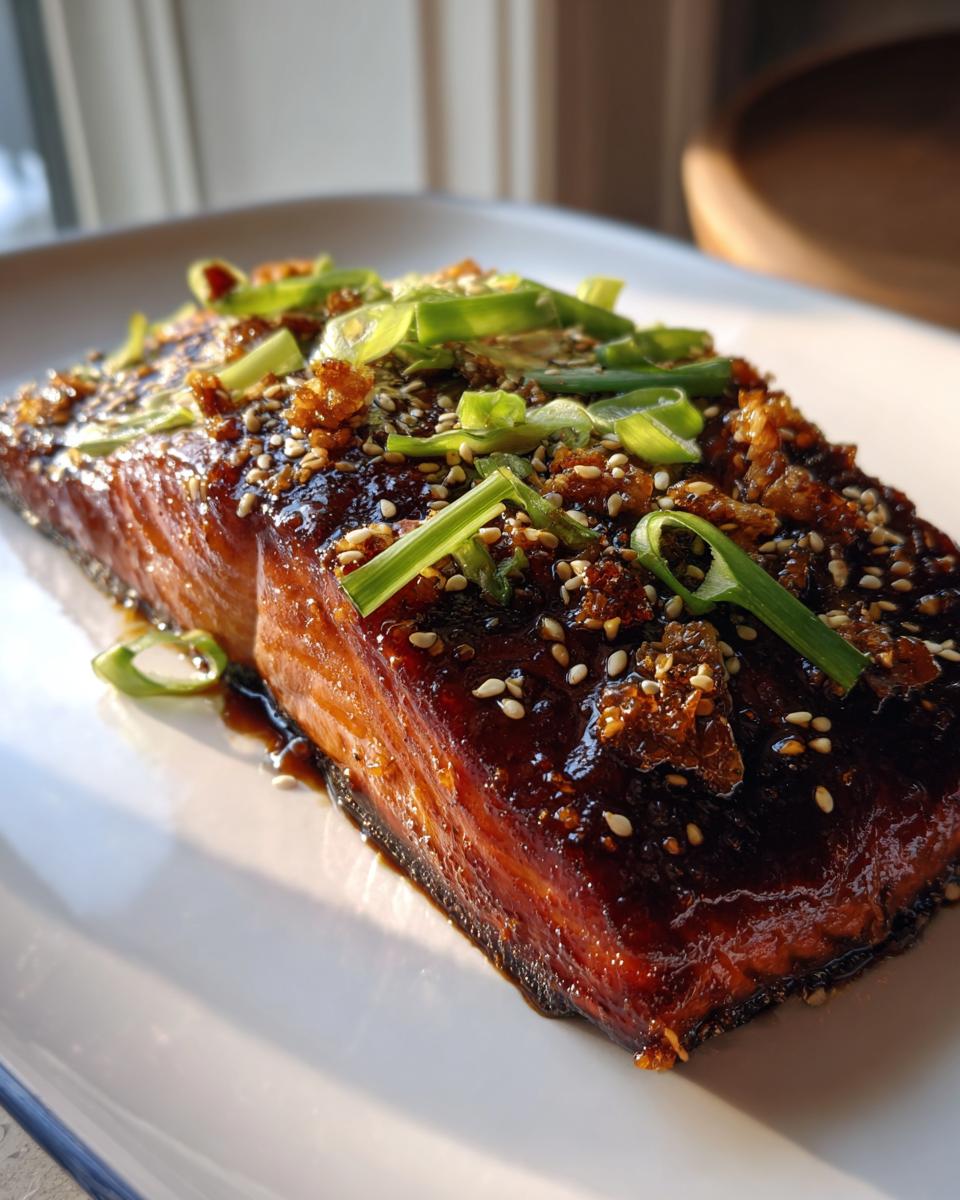
Oh my gosh, you HAVE to try this recipe! When life gets hectic—and let’s be real, when isn’t it hectic?—I need dinner on the table fast, but I refuse to eat something boring. That’s where this baked teriyaki salmon comes in. Seriously, it’s my weeknight hero. It’s tender, flaky, and comes together before you even realize you’re supposed to be stressing about dinner.
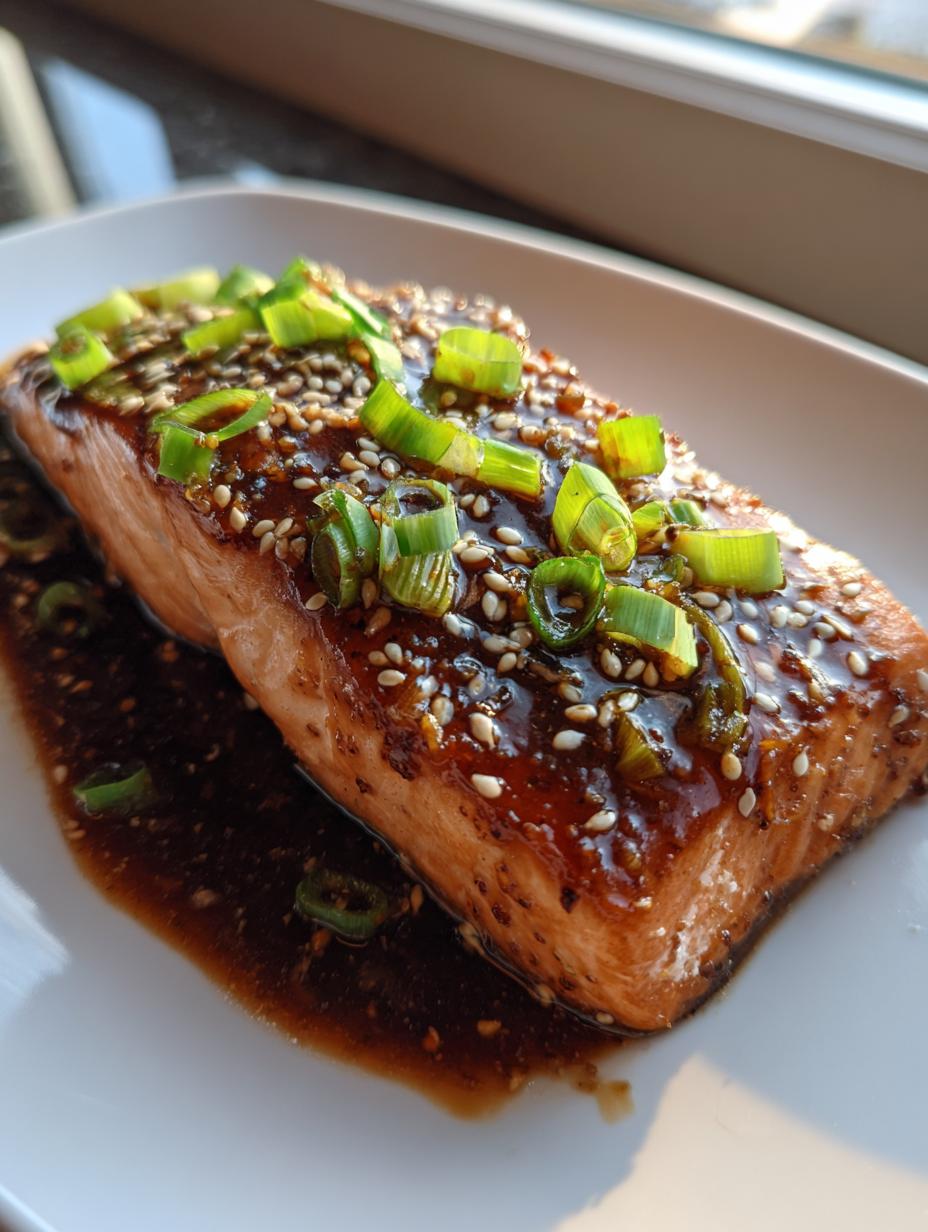
The absolute magic, the part that makes this recipe stand out from every other salmon dish you’ve ever made, is that sweet-savory glaze. We’re talking fresh garlic and ginger swimming in a sticky, salty-sweet sauce. It caramelizes just perfectly under the broiler. I promise, once you taste this garlic ginger glaze, you won’t look back. It makes a healthy dinner feel like a total splurge, all ready in about 25 minutes. It’s truly the best dinner solution I’ve found lately!
Why You Will Love This Baked Teriyaki Salmon Recipe
Honestly, weeknight cooking shouldn’t be a chore. This recipe is designed for speed and maximum flavor payoff with minimal fuss. You get all the richness of a takeout dish but know exactly what went into it. It’s quick, incredibly tasty, and cleanup is a breeze—what more could you ask for?
- It’s lightning fast, making it perfect for those crazy evenings.
- The glaze hits all the right notes: sweet, salty, garlicky, and bright.
- It’s a genuinely healthy meal packed with protein and good fats.
- Since it bakes on one sheet or dish, cleanup takes seriously five minutes tops!
Quick Prep and Cook Time
Listen, when I say 25 minutes total, I mean it! You spend maybe 10 minutes prepping the sauce and getting the fish ready, and then it’s in the oven. That means you can be sitting down to a delicious, satisfying meal before the kids even finish their homework. No more emergency takeout menus needed!
Flavor Profile of This Baked Teriyaki Salmon
This isn’t just soy sauce dumped on fish, oh no. We build a real glaze here. The honey or maple syrup gives you that beautiful sweetness that catches the heat, while the fresh ginger and garlic give it a sharp, fragrant punch. It’s that perfect balance between savory soy sauce and that subtle tang from the rice vinegar that keeps you coming back for another bite.
Essential Ingredients for Perfect Baked Teriyaki Salmon
Okay, so you know I preach about using good ingredients, and for this baked teriyaki salmon, the sauce components are everything! Since we’re making the garlic ginger glaze from scratch, you absolutely must use fresh ginger and fresh garlic. Trust me, the jarred stuff just doesn’t have that bright, punchy flavor we need to cut through the richness of the fish.
We keep the main dish simple—just good salmon, oil, salt, and pepper—because the sauce does all the heavy lifting. Don’t skimp on the quality of your salmon fillets either; you want them to be nice and thick so they stay moist while baking.
Ingredient List Details
Here is exactly what you need to gather before you start mixing anything up. Make sure your measurements are spot on, especially for the sauce components, so that sweet-savory balance is perfect!
- 4 large salmon fillets about 5 ounces each, skin side down
- 1 tablespoon olive oil
- \u00bd teaspoon salt
- \u00bc teaspoon black pepper
- \u00bc cup low-sodium soy sauce or coconut aminos
- 2 tablespoons honey or pure maple syrup
- 1 tablespoon rice vinegar
- 1 teaspoon sesame oil
- 1 tablespoon grated fresh ginger
- 2 garlic cloves, minced
- 1 teaspoon cornstarch mixed with 2 teaspoons water
- 2 cups cooked rice or quinoa (for serving)
- 2 cups steamed broccoli (for serving)
- 1 tablespoon toasted sesame seeds (for garnish)
- 2 green onions, sliced thin (for garnish)
Ingredient Notes and Substitutions for Baked Teriyaki Salmon
A quick word on substitutions because I know some of you need gluten-free options! If you need to keep this recipe gluten-free, simply swap out the regular soy sauce for coconut aminos. It works beautifully and gives you that salty base without the wheat.
Also, pay close attention to that cornstarch slurry—that’s the secret to a thick, clingy glaze. You need to mix the cornstarch and water separately until it’s totally smooth before adding it to the simmering sauce. If you dump the dry powder in, you’ll get lumps, and nobody wants lumpy teriyaki glaze on their beautiful baked teriyaki salmon!
Equipment Needed for Your Baked Teriyaki Salmon
You don’t need a million fancy gadgets for this recipe, which is another win! Having these few basics ready makes the whole process smooth sailing. Seriously, grab these items now so you’re ready to go when you pull out the ingredients.
- A small saucepan for making the glaze.
- A sturdy baking dish or small rimmed baking sheet.
- A microplane or box grater for that fresh ginger.
- Measuring spoons and cups (accuracy matters for the sauce!).
Step-by-Step Instructions for Baked Teriyaki Salmon
Ready to make dinner magic? These steps are straightforward, but sticking to the sequence ensures your baked teriyaki salmon comes out perfectly glazed and tender. It moves fast once you get going, so have everything measured out!
Preparing the Garlic Ginger Teriyaki Glaze
First things first, we need that incredible sauce. Grab a small saucepan and whisk together the soy sauce (or aminos!), honey, rice vinegar, sesame oil, grated ginger, and that fresh minced garlic. Set that over medium heat and bring it just to a gentle simmer—you don’t want a rolling boil, just a nice warm bubble.
Once it’s simmering, slowly whisk in your cornstarch slurry—that’s the cornstarch mixed with the water we prepared earlier. Keep stirring gently for about one to two minutes. You’ll see it transform right before your eyes, getting thick enough to coat the back of a spoon. That’s how you know it’s ready! Pull it off the heat immediately so it doesn’t get too gloppy.
Preparing and Glazing the Salmon Fillets
While the sauce is simmering, get your oven preheated to 400 degrees Fahrenheit. Lightly oil your baking dish—I use a little olive oil myself—and set your salmon fillets in there, skin-side down. Make sure they aren’t touching too much; they need a little elbow room to cook evenly.
Pat the tops of those salmon fillets really dry with a paper towel. This is important! Dry fish crisps up better. Then, just a little drizzle of olive oil on top, a sprinkle of salt and pepper for basic seasoning. Now, take that gorgeous glaze and brush about half of it evenly over the tops of all four pieces of salmon.
Baking and Finishing the Baked Teriyaki Salmon
Slide that dish right into your 400-degree oven. They need about 12 to 15 minutes in there. The exact time depends on how thick your salmon is, but you’re looking for that magical moment when the fish flakes easily with a fork, and the internal temperature hits 145 degrees Fahrenheit. That’s your safety zone!
If you want that extra-special, slightly charred, sticky top—and trust me, you do—switch your oven to the broiler for the last two minutes. Watch it like a hawk during this part! Once it’s out, drizzle that remaining glaze we saved earlier over the hot fish. Finish it off with a sprinkle of toasted sesame seeds and those thinly sliced green onions. Serve it immediately with your rice and broccoli!
Tips for Achieving Expert Baked Teriyaki Salmon Results
Even though this recipe is super easy, there are a couple of little secrets I’ve learned over the years to make sure your baked teriyaki salmon is always restaurant-quality. We want that perfect flake and that sticky glaze that doesn’t run off into the pan, right? A little attention to detail here goes a long way in making this quick dinner feel gourmet.
Controlling Salmon Cooking Time
The biggest variable in any fish recipe is the thickness of the fillet. My recipe calls for 12 to 15 minutes, but if you happen to get those really thin, almost steak-like pieces, they might be done closer to 10 minutes. If you get monster-thick fillets, you might need 17 minutes. Always trust your fork or a meat thermometer over the clock! Pulling it out right at 145 degrees is key—overcooking salmon is the fastest way to dry it out, and we worked hard on that glaze to keep it moist.
Achieving a Better Glaze Consistency
When you’re simmering that sauce, it’s very easy to let it reduce too much before you even put it on the fish. Remember, the sauce is going to thicken up again in the oven, especially under the broiler! If you cook that cornstarch slurry until it’s almost like jelly in the saucepan, it will turn rock hard on the fish. You want the sauce to be thick enough to coat a spoon, but still easily pourable when warm. If you accidentally thicken it too much, just whisk in a teaspoon of water or rice vinegar off the heat until it loosens up a bit!
Serving Suggestions for Your Baked Teriyaki Salmon
This baked teriyaki salmon is so flavorful, it really shines when paired with simple, clean sides that can soak up any extra bits of that amazing sauce. You want something that complements the Asian-inspired profile without fighting the garlic ginger glaze. Luckily, this recipe is built to be a complete plate!
Pairing Grains and Vegetables
I always serve this with a big bed of fluffy rice—white rice works great, but if you’re feeling healthier, quinoa soaks up the sauce beautifully too. For your greens, you absolutely must have some steamed broccoli. It’s the perfect texture contrast to the tender fish. Just a little steam keeps it crisp-tender, and it pairs perfectly with the sesame seeds and green onions we sprinkle on top. It’s a balanced, satisfying meal ready in minutes!
Storing and Reheating Leftover Baked Teriyaki Salmon
If you manage to have any of this amazing baked teriyaki salmon left over—which is rare in my house—storing it correctly keeps it tasting great for later. Make sure the salmon cools down completely before you ever put it in the fridge. Hot food creates steam, and steam means soggy leftovers, and we want to avoid that!
Use an airtight container and try not to crowd the fish. When you’re ready to eat it the next day, you need to reheat it gently. Microwaving is fast, but it can dry out fish quickly. Try using a low setting for just 30-45 seconds at a time, or better yet, warm it briefly in a toaster oven.
Here’s how I keep track of the leftovers:
| Storage Item | Guideline |
|---|---|
| Container | Airtight glass or plastic container |
| Refrigeration Time | Up to 3 days maximum |
| Best Reheat Method | Toaster oven or low-power microwave |
Frequently Asked Questions About Baked Teriyaki Salmon
I get so many questions about this recipe because everyone wants to make sure their quick salmon dinner turns out perfectly. It’s simple, but a couple of little details can make all the difference. Here are the things folks ask me about most often when they’re planning their baked teriyaki salmon night!
Can I cook this baked teriyaki salmon from frozen?
Oh, that’s a tough one! I really, really advise against baking this dish straight from frozen. Since the recipe relies on brushing on a glaze and getting a nice sear, starting frozen means the outside will burn before the inside even thaws enough to cook. If you forgot to thaw it, please take the time to thaw it first! Pop it in the fridge overnight, or if you’re in a real pinch, put the sealed fillets in a bowl of cold water for about 30 minutes, changing the water once. Then proceed with the recipe.
What is the best way to check if the salmon is done?
The clock is just a guideline here, seriously! The very best way to check is two-fold. First, use a fork and gently press down on the thickest part of the fillet. If it flakes apart easily into distinct layers, it’s done. Second, and most reliable, use an instant-read thermometer. You are aiming for an internal temperature of 145 degrees Fahrenheit. That ensures it’s cooked safely but hasn’t dried out on you.
Is this recipe naturally gluten-free?
It is, but only if you make one important swap! Standard soy sauce contains wheat, so if you need a gluten-free meal—and you should, because it’s just healthier sometimes—you must use coconut aminos instead of regular low-sodium soy sauce. Coconut aminos provide that salty, umami depth we need for the garlic ginger glaze, but without any gluten whatsoever. Just swap them cup-for-cup!
Share Your Experience Making This Baked Teriyaki Salmon
I am so excited for you to try this recipe! It truly is the fastest way to get a flavorful, healthy dinner on the table. Once you taste how tender this baked teriyaki salmon is, coated in that incredible glaze, I know you’ll be making it every week.
Seriously, don’t be shy! Let me know how it turned out for you in the comments below. Did the glaze get perfectly sticky? Did your family devour it? Drop your star rating and tell me all about your experience making this simple weeknight favorite! Check out more quick ideas here.
Print
Amazing 25-Minute Baked Teriyaki Salmon
- Total Time: 25 minutes
- Yield: 4 servings 1x
- Diet: N/A
Description
This baked teriyaki salmon is tender, flaky, and coated in a sweet-savory garlic ginger glaze. A quick, healthy dinner ready in 25 minutes.
Ingredients
- 4 salmon fillets (about 5 ounces each)
- 1 tablespoon olive oil
- ½ teaspoon salt
- ¼ teaspoon black pepper
- ¼ cup low-sodium soy sauce or coconut aminos
- 2 tablespoons honey or pure maple syrup
- 1 tablespoon rice vinegar
- 1 teaspoon sesame oil
- 1 tablespoon grated fresh ginger
- 2 garlic cloves, minced
- 1 teaspoon cornstarch mixed with 2 teaspoons water
- 2 cups cooked rice or quinoa
- 2 cups steamed broccoli
- 1 tablespoon toasted sesame seeds
- 2 green onions, sliced thin
Instructions
- Set oven to 400°F and lightly oil a baking dish.
- In a small saucepan, combine soy sauce, honey, vinegar, sesame oil, ginger, and garlic. Bring to a simmer over medium heat. Stir in the cornstarch slurry and cook 1–2 minutes until thickened. Remove from heat.
- Pat salmon dry and place in the prepared dish, skin side down. Drizzle with olive oil and season with salt and pepper.
- Brush half of the teriyaki glaze over each fillet.
- Place the dish in the oven and bake for 12–15 minutes, until the salmon flakes easily with a fork and reaches 145°F internal temperature.
- Broil 2 minutes for a caramelized top (optional).
- Drizzle remaining glaze over salmon. Sprinkle with sesame seeds and green onions. Serve with rice and broccoli.
Notes
- The cooking time depends on the thickness of the salmon fillets.
- Use coconut aminos for a gluten-free option if needed.
- Internal temperature should reach 145°F for safe consumption.
- Prep Time: 10 minutes
- Cook Time: 15 minutes
- Category: Main Course
- Method: Baking
- Cuisine: Asian-inspired
Nutrition
- Serving Size: 1 serving
- Calories: 310
- Sugar: Unknown
- Sodium: Unknown
- Fat: 15g
- Saturated Fat: Unknown
- Unsaturated Fat: Unknown
- Trans Fat: Unknown
- Carbohydrates: 8g
- Fiber: Unknown
- Protein: 33g
- Cholesterol: Unknown