Oh, you are going to absolutely *love* this! When I need something fast but I don’t want to pull out something frozen or boring, this **Greek orzo** recipe is my absolute go-to side dish. Seriously, it’s ridiculously quick—we’re talking 15 minutes from start to finish, and it tastes like sunshine!
I’ve perfected dozens of quick pasta sides over the years, trying to get that perfect balance of bright lemon and savory herbs without any fuss. This one always wins because the flavor is so vibrant. You just toss it together on the stovetop, and bam, you have the perfect accompaniment for grilled chicken or flaky fish. Trust me on this one; this is your new weeknight hero!
Essential Components for Perfect Greek Orzo
Okay, precision matters here, even though it’s fast! Getting your ingredients ready first—what we cooks call *mise en place*—is why this whole recipe flies by in 15 minutes. Don’t skip chopping the onion finely or mincing that garlic; those little details make the flavor base sing later on. We want everything ready to hit the pan when the heat is just right.
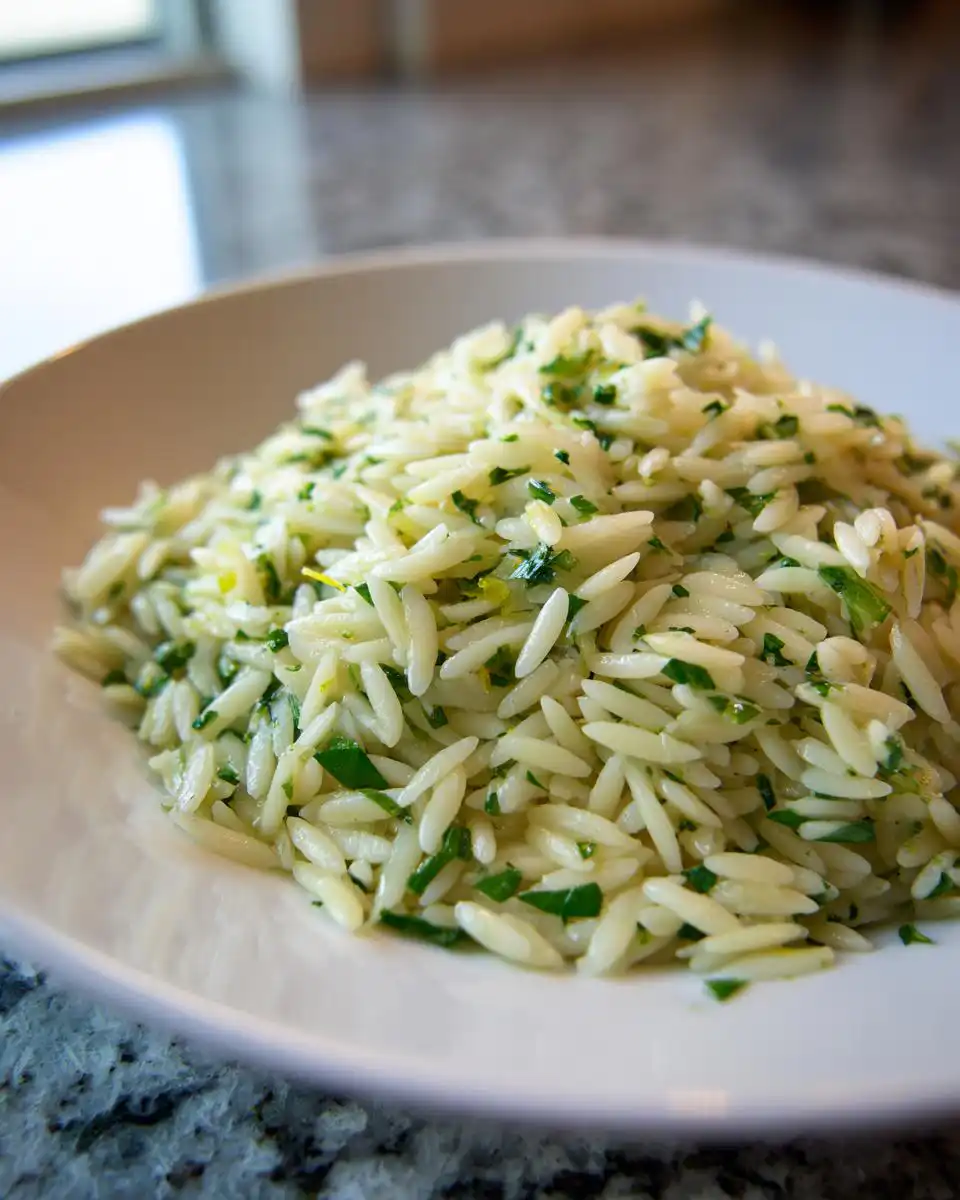
Measuring the Dry Goods for Your Greek Orzo
The dry goods are simple, but pay attention to that orzo. You need exactly one cup of dry orzo pasta. If you use too much, it’ll soak up all the broth and get gummy, which is a total tragedy. For seasoning, we’re using one teaspoon of salt and just a quarter teaspoon of black pepper. Don’t be shy with the salt here; it seasons the pasta as it cooks, which is crucial for a flavorful side dish.
Fresh Aromatics and Flavor Builders
This is where the Greek flavor really kicks in! You need half of a small onion, and I mean *finely chopped*. We want it to melt away into the oil, not leave big crunchy chunks behind. Three garlic cloves need to be minced—get them super small! Don’t even think about using pre-minced jar garlic; the fresh stuff is non-negotiable here. Also, make sure you zest one full lemon before you juice it later; that zest holds all the bright essential oils we need.
Liquids and Finishing Touches
For the cooking liquid, I insist on low-sodium vegetable or chicken broth. We are adding salt, so starting with already salty broth is a recipe for disaster. You need about two and a quarter cups of broth. Then, for the finish, you only need one tablespoon of fresh lemon juice and one final drizzle of olive oil right at the end. That last bit of oil makes it glossy and just rich enough.
Step-by-Step Guide to Preparing Greek Orzo
This process is so fast you might think you missed a step, but I promise you didn’t! The key to nailing this **Greek orzo** is managing your heat and timing your additions exactly right. We are moving quickly so the onion doesn’t burn while we toast the pasta, which is a delicate balancing act.
Building the Flavor Base in Your Greek Orzo
Start by warming one tablespoon of olive oil in a medium saucepan over medium heat. Toss in your finely chopped onion and that minced garlic. You only want to cook these for about two to three minutes until they soften up and smell amazing—we aren’t trying to brown them, just sweat them out. Next, stir in your dried oregano, dill, salt, and pepper. Let those herbs bloom in the hot oil for just a second. Then, dump in the dry orzo and stir constantly for a full minute. Toasting the orzo like this really locks in a nutty depth of flavor before the liquid goes in. It’s a small step, but it makes a huge difference!
Simmering the Greek Orzo to Perfection
Once the orzo is coated, toss in the lemon zest and pour in all two and a quarter cups of broth. Get that mixture up to a gentle simmer, then immediately reduce the heat. You want it bubbling gently, not galloping away! Cook this uncovered for nine to ten minutes. You must stir it occasionally—maybe every couple of minutes—to keep the orzo from sticking to the bottom of the pan. It’s done when the pasta is tender and you can see that most of the liquid has disappeared into the grains.
Finishing and Adjusting Your Greek Orzo
When it looks like it’s just about done, pull the pan right off the heat. This stops the cooking process immediately. Now, stir in the final tablespoon of fresh lemon juice, the last bit of olive oil, and all that beautiful chopped fresh dill or parsley. Give it a good stir to make it glossy. Taste it! This is the most important part. Does it need a tiny pinch more salt? Maybe a crack of pepper? Adjust it now before you serve it warm straight from the pan.
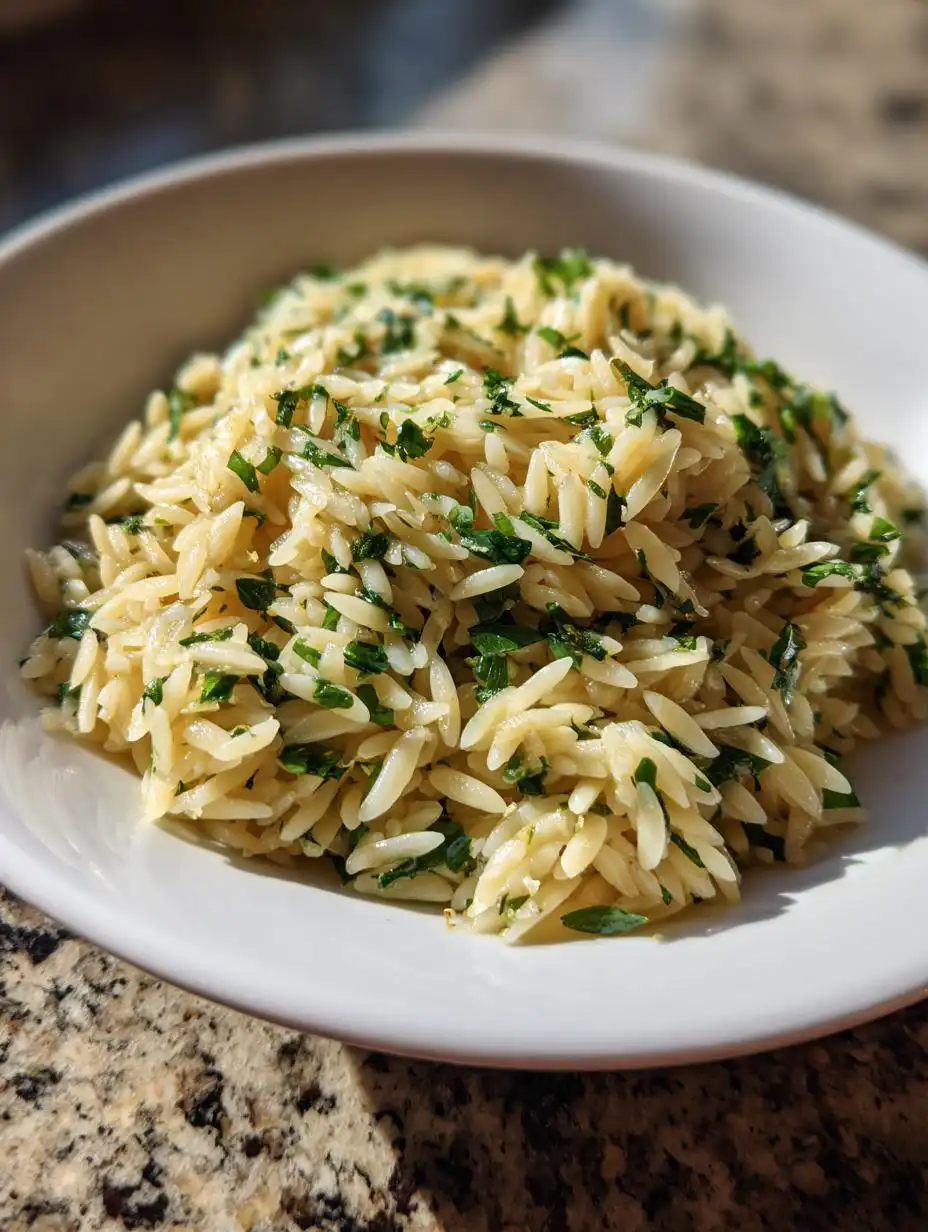
Tips for Success When Making Greek Orzo
I’ve made this dish so many times that I know exactly where people usually run into trouble, so let me save you some headaches! The number one error I see is overcooking the orzo. Since it’s small, it goes from perfect to mushy very quickly. Keep your eye on the clock during that 9-to-10-minute simmer time, and trust your stirring!
Another thing: don’t rush the toasting step. That minute where you stir the orzo with the herbs and oil might seem like wasted time when you’re hungry, but it’s what prevents the pasta from tasting watery. It gives the grains a little barrier against the liquid, helping them hold their shape better.
Also, fresh herbs make the biggest difference, especially the dill. Dried dill is fine for the initial cook because it needs time to rehydrate, but that final handful of fresh herbs added off the heat? That’s what gives the **Greek orzo** that bright, vibrant pop right before it hits your plate. Don’t skip that last step, or it will taste flat!
If you are planning to serve this cold later, pull it off the heat slightly *before* you think it’s done. It will continue to absorb liquid as it cools down in the fridge.
Ingredient Notes and Simple Swaps for Greek Orzo
This recipe is pretty flexible, but we need to protect that core lemon-herb profile of the **Greek orzo**. If you don’t have vegetable broth, chicken broth works just as beautifully, honestly—either one gives you a lovely savory base. If you find yourself out of fresh dill for the end, parsley is a perfectly acceptable stand-in, though you lose a little bit of that classic Greek aroma.
Now, about those herbs: we use dried oregano in the beginning because it needs the heat to release its flavor. If you wanted to use fresh oregano, you’d need to use about three times the amount and add it at the very end with the fresh dill, otherwise, it gets baked right out of the dish.
For the ultimate creamy finish, you absolutely must try adding cheese. A sprinkle of sharp Parmesan is great, but crumbled feta cheese? That salty, tangy bite takes this dish straight to the Aegean Sea. It’s highly recommended for serving! If you are looking for other quick dinner ideas, check out this simple healthy orzo weeknight meal.
Serving Suggestions for Your Greek Orzo
Because this **Greek orzo** is so bright and lemony, it really shines next to proteins that aren’t too heavily sauced. You want something that lets the herbs do the talking!
My absolute favorite way to serve it is alongside simple grilled chicken breasts. Just season the chicken simply with salt, pepper, and maybe a little lemon pepper, and let the orzo provide all the flavor complexity. It’s fantastic with baked or pan-seared white fish—cod or tilapia work perfectly because they are light. For more light protein pairings, see my ideas on easy Mediterranean salmon recipe.
If you are keeping things vegetarian, this pasta side holds up beautifully next to grilled zucchini, asparagus, or halloumi cheese. Seriously, grill up some halloumi until it’s golden brown and serve it right on top of a bed of this warm orzo. It’s a meal that tastes like summer even in the middle of winter! You might also enjoy this one pot orzo and vegetable dinner.
Storing and Reheating Leftover Greek Orzo
I always make extra because leftovers are fantastic, but you have to treat orzo right when you store it, or it gets really stiff and dry overnight. Don’t just dump it in a container! When you’re done serving, let the **Greek orzo** cool down a bit before you transfer it to an airtight container. It holds up great in the fridge for about three days.
Reheating is where you need to be gentle. Microwaving it straight from the fridge turns it into a solid block of pasta, which is no good. To bring it back to life, you need moisture. Just add a small splash—maybe a teaspoon or two—of water or extra broth right into the container before you heat it up. Microwave it in short bursts, stirring between each one, until it’s warmed through and creamy again.
It’s also wonderful served cold the next day, straight out of the fridge, so don’t feel like you have to heat it up!
Here’s the quick rundown:
| Storage Duration | Method | Notes |
|---|---|---|
| Up to 3 days | Airtight container in refrigerator | Add a splash of water or broth when reheating. |
Quick Answers About This Greek Orzo Recipe
I get so many emails about this recipe because it’s just so versatile! People always want to tweak it, and I totally get it. Here are the few questions I hear most often about making this bright, lemony **pasta side dish**.
Can I use fresh herbs instead of dried oregano?
Yes, you absolutely can, but you have to be careful with the oregano! We use dried oregano in the beginning because it needs that heat and time to release its flavor into the oil. If you want to use fresh oregano, skip adding it during the toasting step. Wait until the very end, and use about three times the amount of fresh oregano compared to the dried measurement. The fresh dill, however, should always be added at the end, whether it’s fresh or dried, to keep that vibrant flavor popping!
Is this Greek orzo recipe vegetarian?
It totally can be! The recipe calls for low-sodium vegetable or chicken broth. If you use vegetable broth, then yes, this is a completely vegetarian dish. If you use chicken broth, then obviously, it’s not vegetarian anymore. So, just check that label on your broth if you’re serving meat-free meals. It tastes great either way, though!
What is the best way to serve this Greek orzo?
Honestly, it’s delicious served warm right after you finish stirring in the last bit of lemon and herbs—it’s fluffy and fragrant. But because the **lemon** flavor is so clean, it is also fantastic served chilled! If you plan on eating it cold the next day, remember to pull it off the heat just a minute early, as I mentioned, so it doesn’t get too tight in the fridge.
Share Your Experience with This Greek Orzo
I just love hearing how you all put your own spin on this quick recipe! Did you go heavy on the feta? Did you pair it with salmon? Please, come back and drop a comment below and let me know how you rated this **Greek orzo**. I’m always looking for new serving ideas for my next batch! You can also see more of my recipe adventures on Medium.
Print
Amazing 15-Minute Greek Orzo Flavor Blast
- Total Time: 15 minutes
- Yield: 4 servings
- Diet: Vegetarian
Description
This Greek orzo with lemon and herbs is a bright, flavorful pasta side ready in 15 minutes. It pairs well with chicken, fish, or grilled vegetables.
Ingredients
- 1 tablespoon olive oil
- ½ small onion, finely chopped
- 3 garlic cloves, minced
- 1 teaspoon dried oregano
- ½ teaspoon dried dill or 1 tablespoon fresh dill
- 1 teaspoon salt
- ¼ teaspoon black pepper
- 1 cup dry orzo pasta
- 1 tablespoon lemon zest
- 2¼ cups low-sodium vegetable or chicken broth
- 1 tablespoon lemon juice
- 1 tablespoon olive oil
- 1 tablespoon chopped fresh dill or parsley
Instructions
- Heat olive oil in a medium saucepan over medium heat. Add onion and garlic, cooking for 2–3 minutes until soft and fragrant.
- Stir in the oregano, dill, salt, and pepper. Add orzo and cook 1 minute, stirring to coat with oil and herbs.
- Add lemon zest and pour in the broth. Bring to a simmer and cook uncovered for 9–10 minutes, stirring occasionally, until the orzo is tender and most liquid is absorbed.
- Remove from heat and stir in lemon juice, olive oil, and fresh herbs. Adjust seasoning with salt or pepper if needed.
- Transfer to a bowl and serve warm, or chill for a refreshing side dish.
Notes
- For extra richness, add a sprinkle of parmesan or crumbled feta before serving.
- Prep Time: 5 minutes
- Cook Time: 10 minutes
- Category: Side Dish
- Method: Stovetop
- Cuisine: Greek