If there is one meal that instantly signals winter is officially here at my house, it’s a deeply fragrant, hearty beef stew. I’m not talking about the watery stuff that tastes like boiled carrots; I mean the kind where the broth is so rich and dark, it coats your spoon. This recipe isn’t just something I pulled off the internet; I spent nearly two years tweaking the ratios—especially the broth and spice blend—to get this one-pot wonder just right.
I remember the first time I served this version. My neighbor, bless her heart, took one spoonful and just closed her eyes. That’s how you know you’ve hit the jackpot! It’s the perfect marriage of tender meat and sweet root vegetables swimming in savory liquid. Trust me, once you master the searing technique, you’ll never go back to just dumping everything into the pot. This is pure comfort food, and it’s easier than you think!
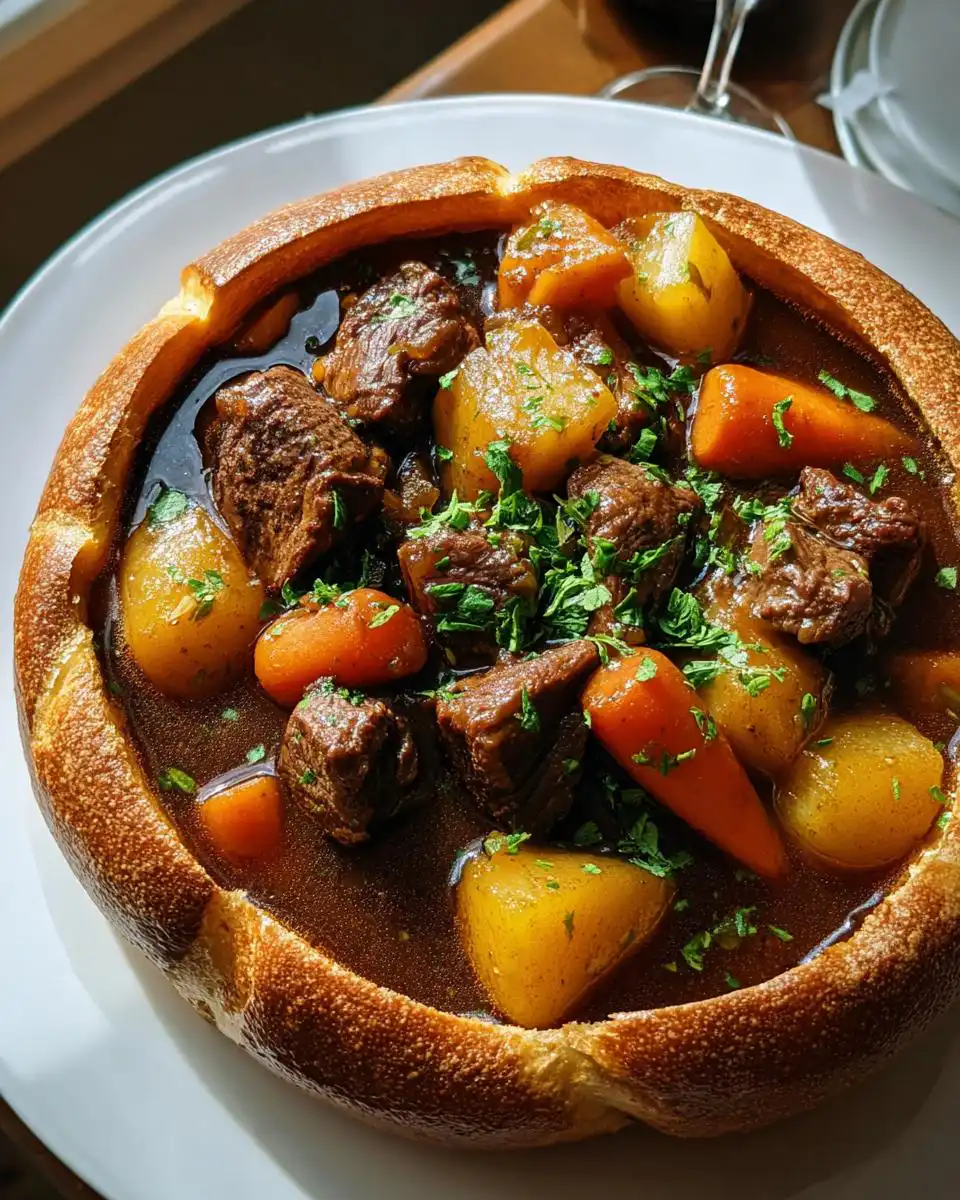
Essential Ingredients for Perfect Beef Stew
Listen, you can’t make a five-star beef stew with ingredients that phoned it in, you just can’t. We need quality here because this dish relies on that slow simmer to bring everything together. I’ve learned the hard way that using cheap broth is a rookie mistake—it just waters down all your hard work! So, let’s talk about what you absolutely need to gather before you even think about turning on the heat.
When you’re shopping, think about rich color and deep flavor. The vegetables need to hold up to that long cook time, and the spices have to be potent enough to perfume your whole house. Don’t skimp on the aromatics; they are the backbone of the whole flavor profile!
Selecting Your Beef Stew Meat and Produce
For the beef, you want something that benefits from long, slow cooking—I use stew meat cut into nice, chunky 1-inch cubes. If you can, ask your butcher for chuck roast; it has the right amount of marbling to stay tender instead of drying out. When you get to the vegetables, they need to be firm and fresh. Carrots should be sliced about half an inch thick, and your potatoes should be cut into sturdy cubes. If they are too small, they’ll turn to mush while the beef is still getting tender. We want texture!
Flavor Builders for Rich Beef Stew Broth
Here’s where we separate the good stew from the *great* stew. The tomato paste is crucial—you have to cook it down until it darkens slightly; that’s called blooming, and it removes that raw, acidic taste. For herbs, I’m old-fashioned: dried thyme and a single bay leaf do most of the heavy lifting. But the secret weapon? Smoked paprika. It gives that broth a deep, almost wood-fired flavor without needing hours over an open flame. Don’t forget the fresh parsley at the end; it just brightens everything up!
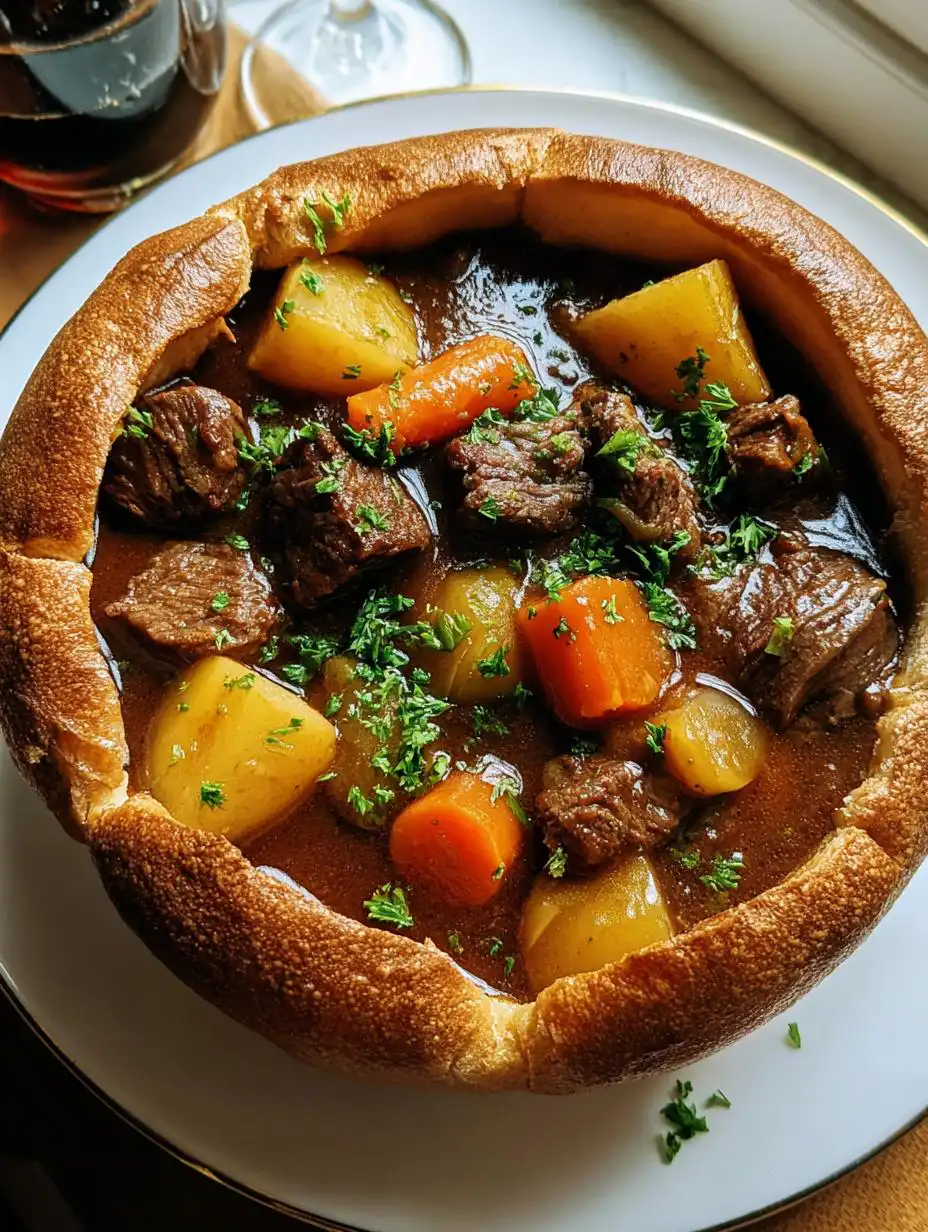
Equipment Needed for This Beef Stew Recipe
You don’t need a whole arsenal of gadgets for this cozy dinner, which is part of why I love it so much! The absolute MVP of this recipe is your heavy-bottomed Dutch oven. Seriously, if you have one, use it. That thick base distributes the heat so perfectly and prevents scorching during that long simmer.
You’ll also need a good cutting board and a sharp knife for chopping all those root veggies. Make sure you have something sturdy, like a wooden spoon or a heat-safe spatula, for stirring and scraping up those delicious browned bits from the bottom of the pot when you add the liquid. That’s flavor gold, so don’t miss it!
Step-by-Step Guide to Making Flavorful Beef Stew
Okay, let’s get cooking! This process is all about layering flavors, so we need to take our time in the beginning. If you rush the searing or skip blooming the spices, your final beef stew will taste flat. I promise you, following these steps exactly is what makes the difference between a decent weeknight meal and an absolute showstopper. If you want to see more of my favorite one-pot meals, check out this one pot orzo and vegetable dinner.
Searing the Beef for Deep Flavor in Your Beef Stew
First things first: we need color on that beef! Heat up your olive oil in that beautiful Dutch oven over medium-high heat. You want it hot enough that the meat sizzles immediately when it hits the pan. Don’t try to cram all the beef in at once—that’s a huge mistake! Crowding the pan drops the temperature, and your meat ends up steaming instead of searing. Steam equals gray meat, and we don’t want that.
Work in small batches, letting those 1-inch cubes brown nicely for about four or five minutes on each side until you get a deep, mahogany crust. Use tongs to turn them. Once they’re beautifully browned, pull them out onto a clean plate and set them aside. Don’t wipe out the pot; those little dark bits stuck to the bottom are pure flavor waiting to be rescued!
Building the Sauce and Initial Simmer for the Beef Stew
Now that the beef is resting, toss in your chopped onion and minced garlic right into that flavorful fat. Sauté them for just about two minutes until you can really smell them—not long enough to burn the garlic, just until they soften up. Next, it’s time for the flavor boosters! Stir in the tomato paste, thyme, smoked paprika, and that bay leaf. Let this mixture cook for a full minute, stirring constantly. You’ll notice the tomato paste darkens a bit; that’s the bloom happening, and it deepens the savory notes immensely.
Once that’s fragrant, pour in the beef broth and the water. Take your spoon and scrape up every single browned bit from the bottom of the pot—that’s the fond, and it’s essential for a rich sauce. Bring the whole thing up to a gentle simmer, then immediately reduce the heat way down to low. Cover the pot tightly and let this initial simmer go for a full hour. This is where the beef starts to relax and get tender before we even look at the veggies.
Adding Vegetables and Finishing the Tender Beef Stew
After that first hour, the beef should be starting to give a little when poked. Now, add your sliced carrots, cubed potatoes, and celery. Give it a good stir to make sure everything is submerged in that lovely broth. Put the lid back on and let it simmer gently for another 45 to 60 minutes. You’re looking for the vegetables to be fork-tender—meaning they offer almost no resistance when you poke them—and the beef should shred easily when pressed.
When it’s done, carefully fish out and discard that bay leaf; nobody wants to bite into that! Give the broth a final taste. Does it need a little more salt? A crack of pepper? Adjust it now. Ladle that incredible, steaming beef stew into bowls and don’t forget a generous sprinkle of fresh parsley right on top for color. Enjoy the smell—you earned it! For more hearty dinner ideas, see my healthy beef skillet with rice.
Tips for Success with Your Homemade Beef Stew
You’ve done the hard work, and now you want that perfect result! I’ve made this beef stew more times than I can count, and a few little tricks always save me from common pitfalls. The biggest thing people mess up is rushing the simmer time. If your beef seems tough after the first hour, just keep cooking it low and slow. Tough meat just needs more time to break down those connective tissues, so don’t panic and turn up the heat!
Another tip I learned the hard way: if you find your stew is too thin at the end, don’t just dump in cornstarch slurry right away. Take the lid off during the last 15 minutes of cooking and let some of that steam escape; the broth will naturally reduce and thicken up beautifully. If you still need a boost, mix your cornstarch with a tiny bit of the hot broth first before adding it back in—that prevents lumps.
Finally, this stew is always better the next day. Seriously! The flavors meld and deepen overnight. If you can manage to let it cool completely and refrigerate it, reheating it gently on the stove the next day makes for the most incredible leftovers you’ll ever eat. You can find more of my favorite tips and tricks on Medium.
Common Questions About Preparing Beef Stew
I get so many messages asking about potential swaps or troubleshooting tips for this beef stew recipe, and honestly, those questions show me you’re really trying to make it perfect! It’s natural to want to adapt recipes, but for a classic like this, knowing the *why* behind the steps helps immensely. Here are the few things people ask me about most often when they are simmering their pots.
The biggest concern I hear is about the sauce thickness—did it end up too soupy? Or maybe someone forgot to sear the beef properly and is worried about the final color. Don’t sweat it! A few adjustments can usually save the day, but it’s always easier if you know the ground rules for a deep, rich stew. For another great beef dish, try this simple beef tips with steamed veggies.
Can I make this Beef Stew in a Slow Cooker?
Oh yes, you absolutely can! The slow cooker is a champion for convenience. You still need to sear the beef and sauté the aromatics (onion, garlic, tomato paste) on the stovetop first—don’t skip that flavor step! Then, transfer everything to the slow cooker, including the broth and spices. Cook on Low for 7 to 8 hours, or on High for 3 to 4 hours. Remember that the vegetables might get a little softer than in the Dutch oven, so add them in the last 2 hours of cooking time.
How do I ensure my Beef Stew meat is tender?
Tender beef is the whole point, right? If your meat is chewy, it almost always means you cooked it too fast or not long enough. The key to tender stew meat is very low, very gentle heat over a long period. You need that collagen to slowly melt into gelatin, which is what makes the broth luxurious and the meat fall apart. If you’re simmering it vigorously, it just tightens up the muscle fibers. Keep the heat low enough that the liquid barely bubbles—you want a gentle, lazy simmer for that full 90 minutes to 2 hours after adding the veggies!
Storing and Reheating Your Leftover Beef Stew
One of the best things about making a big pot of this hearty beef stew is knowing you have leftovers waiting! This stew truly gets better overnight as all those herbs and spices settle in and marry up. But we do need to be smart about storage to keep it safe and tasting just as good as the first night. I always try to let my stew cool down on the counter for about an hour before I seal it up, but certainly no longer than two hours.
When it comes to keeping quality high, airtight containers are your best friend. You want to minimize any air exposure, especially if you plan on freezing it for later. I always reference the notes I made when I first developed the recipe because I tested how long this stew lasts in the fridge versus the freezer. It’s all down there in the table below for you! You can see more of my recipe organization on Pinterest.
Storage and Reheating Table
- Refrigeration Time: Up to 3 days in an airtight container.
- Freezing Time: Up to 3 months. Make sure to leave about an inch of headspace in your container for expansion.
- Reheating Method (Stovetop): Gently reheat over medium-low heat, stirring occasionally until it’s steaming hot all the way through. This is my preferred method for the best texture.
- Reheating Method (Microwave): Use short bursts, stirring halfway through, to ensure even heating.
Understanding the Nutrition in This Beef Stew
I know some of you are watching your macros, and some of you just want to know if this cozy meal is going to weigh you down! Honestly, when I created this recipe, I wasn’t focused on making it low-fat—I was focused on flavor, which is why we use that beautiful marbled chuck roast and the healthy fats from the olive oil. But I was surprised when I ran the numbers!
Because we use lean broth and rely on the vegetables for bulk rather than adding tons of flour or cream, the protein content is actually really high, which keeps you feeling full for hours. It’s a balanced, substantial meal. The numbers below are based on six generous servings, so they should give you a good idea of what you’re eating! If you are interested in other low-calorie meals, check out this easy beef and vegetable dinner bowl.
Estimated Nutritional Data for Beef Stew
- Serving Size: 1 serving
- Calories: 360
- Protein: 32g
- Fat: 14g
- Carbohydrates: 24g
Share Your Experience Making This Beef Stew
Now that you’ve made a pot of this incredible, comforting beef stew, I’d love to hear all about it! Did your kitchen smell amazing? Did the beef melt in your mouth? Please leave a star rating right below this section and tell me what you thought in the comments! Happy cooking, everyone!
Print
Amazing 360-Calorie Beef Stew Secrets
- Total Time: 2 hours
- Yield: 6 servings
- Diet: N/A
Description
Hearty beef stew simmered with tender root vegetables and rich broth. A cozy one-pot dinner perfect for cold nights.
Ingredients
- 2 tablespoons olive oil
- 1 ½ pounds beef stew meat, cut into 1-inch cubes
- 1 large onion, chopped
- 3 cloves garlic, minced
- 2 tablespoons tomato paste
- 3 cups beef broth
- 1 cup water
- 3 large carrots, sliced
- 2 medium potatoes, cubed
- 2 stalks celery, sliced
- 1 teaspoon dried thyme
- 1 teaspoon smoked paprika
- 1 bay leaf
- 1 teaspoon salt
- ½ teaspoon black pepper
- 2 tablespoons chopped fresh parsley
Instructions
- Heat olive oil in a large Dutch oven over medium-high heat. Add beef cubes and sear for 4–5 minutes per side until browned. Work in batches if needed to avoid crowding.
- Add onion and garlic to the pot and sauté for 2 minutes until fragrant.
- Stir in tomato paste, thyme, smoked paprika, and bay leaf, cooking for 1 minute to bloom the flavors.
- Pour in beef broth and water, scraping up any browned bits from the bottom. Bring to a simmer.
- Reduce heat to low, cover, and cook for 1 hour, stirring occasionally.
- Add carrots, potatoes, and celery. Cover again and simmer for 45–60 minutes, or until the beef and vegetables are tender.
- Remove the bay leaf and taste for seasoning. Adjust with additional salt or pepper if needed.
- Serve warm, garnished with chopped parsley.
Notes
- Store leftovers in an airtight container in the refrigerator for up to 3 days or freeze for up to 3 months.
- Reheat gently on the stovetop or in the microwave until steaming hot.
- Beef should reach an internal temperature of 145°F with a 3-minute rest before serving.
- Prep Time: 15 minutes
- Cook Time: 1 hour 45 minutes
- Category: Main Dish
- Method: Stovetop
- Cuisine: American