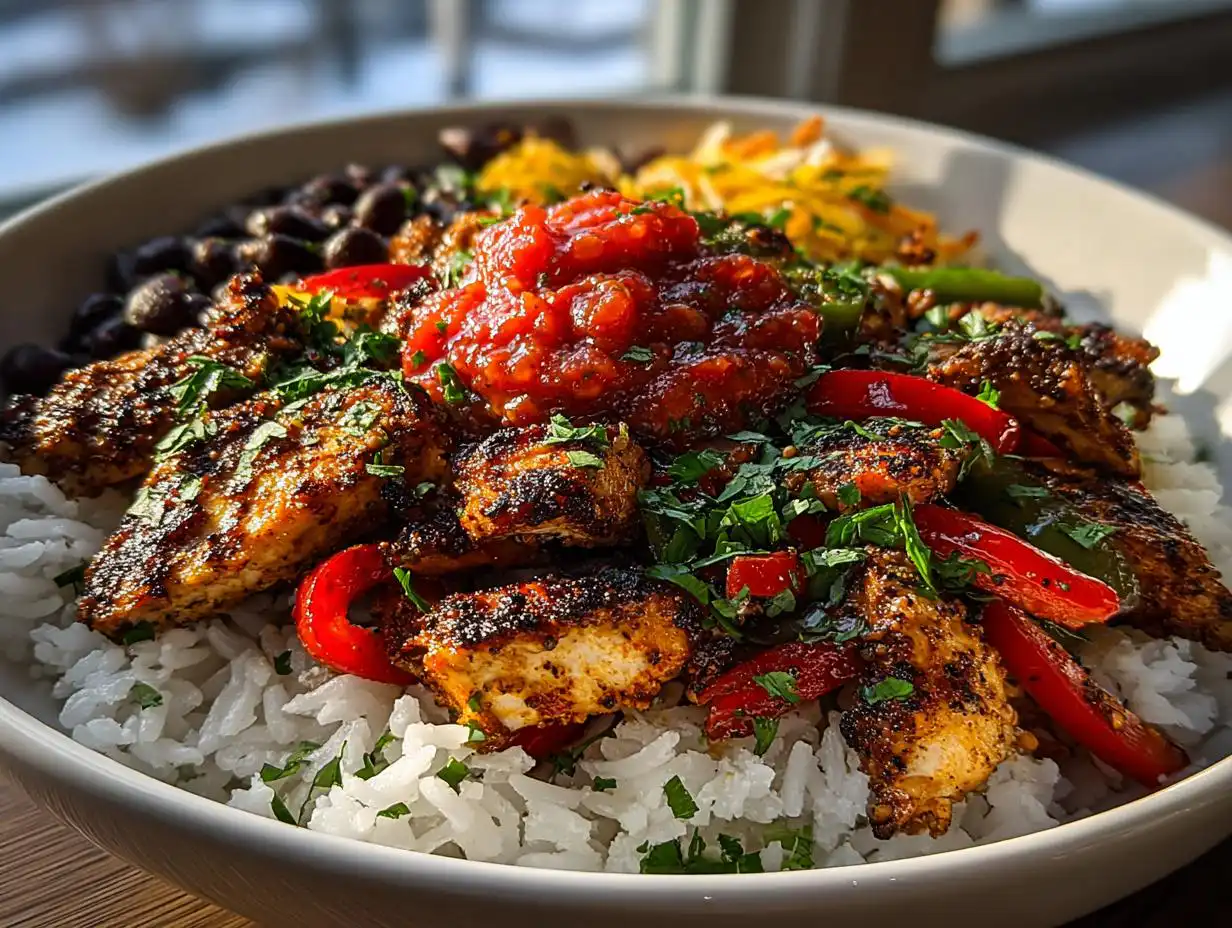
Forget those sad, bottled green sauces you see lurking in the refrigerated aisle! If you’ve never made your own chimichurri sauce from scratch, you are seriously missing out on one of the easiest flavor bombs you can add to your cooking rotation. This isn’t just a condiment; it’s a vibrant, zesty explosion of fresh herbs that completely transforms whatever it touches. Seriously, I keep a jar of this stuff in my fridge all the time.
My favorite thing about this particular recipe is how unbelievably fresh and bright it tastes. It’s got this amazing balance—tangy from the lemon and vinegar, deep from the garlic, and just a little tickle of heat. Just spooning this over some simple grilled chicken turns it into a showstopper dinner. Trust me, once you see how fast you can whip up this incredible chimichurri sauce, you’ll never go back to store-bought again. It’s ready almost instantly!
Essential Ingredients for Authentic chimichurri sauce
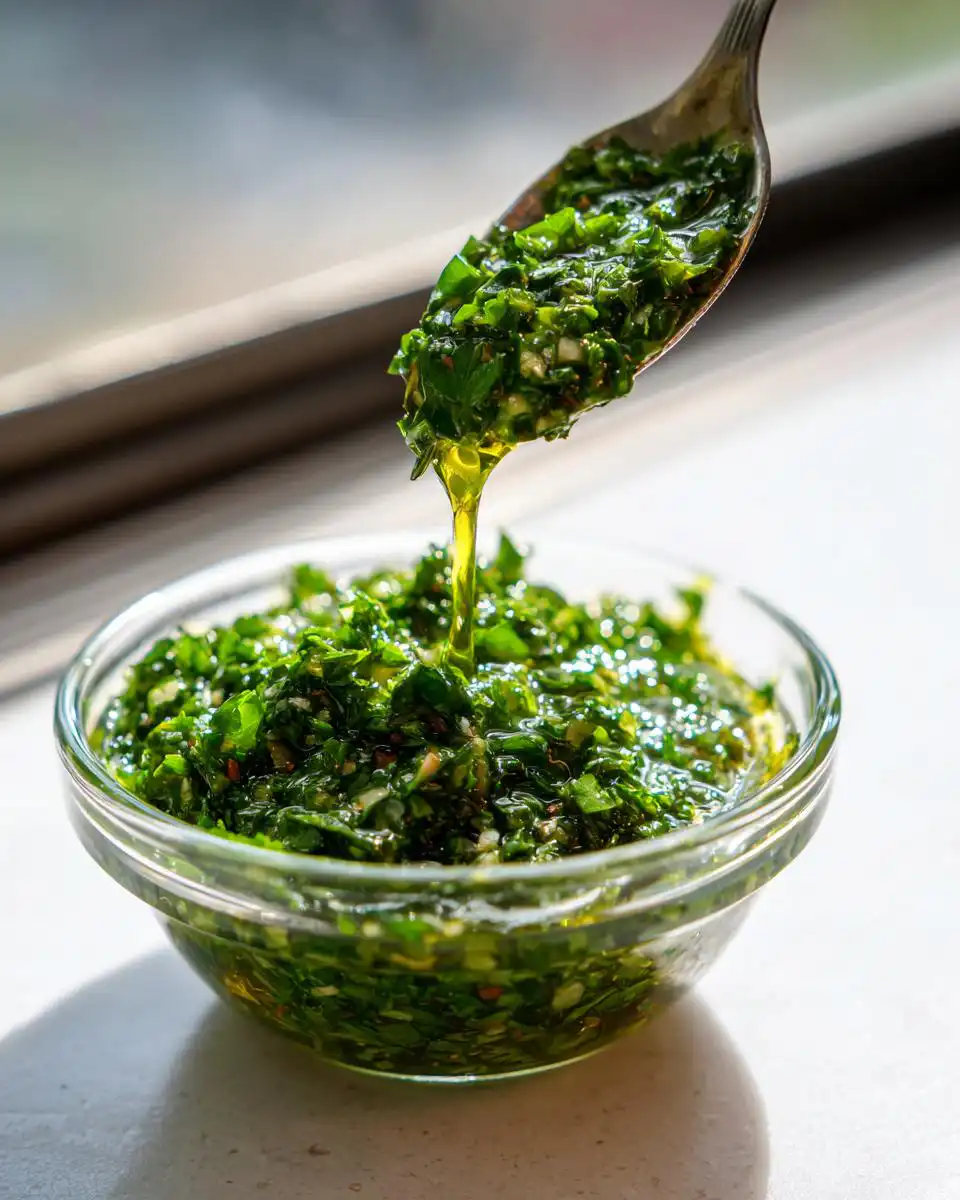
The secret to an unforgettable chimichurri sauce isn’t complicated technique; it’s using the best, freshest ingredients you can get your hands on. This recipe relies heavily on the quality of its herbs, so don’t skimp here! If your parsley is limp or your garlic is old, your sauce won’t sing. I always buy my herbs the day I plan to make the sauce, or at the very latest, the day before. It makes such a huge difference in the final bright, zesty flavor profile we’re aiming for.
Here’s the lineup of what you’ll need to get that perfect Argentinian punch:
- 1 cup fresh flat-leaf parsley leaves
- 1/4 cup fresh cilantro leaves
- 2 tablespoons fresh oregano leaves
- 1/3 cup red onion, roughly chopped
- 3 garlic cloves, peeled
- 1/2 teaspoon crushed red pepper flakes
- 1/2 cup extra virgin olive oil (the good stuff!)
- 1/4 cup red wine vinegar
- 2 tablespoons fresh lemon juice
- 1 teaspoon kosher salt
- 1/4 teaspoon black pepper
Quantifying Your chimichurri sauce Herbs
This is where people sometimes get nervous, but stick to the measurements! Parsley is the backbone of this sauce, so you need a full cup of those flat-leaf beauties. I find that cilantro adds that necessary herbaceous complexity, but if you absolutely despise it, you can bump the parsley up slightly, though I wouldn’t recommend skipping it entirely. The oregano must be fresh here—dried oregano just doesn’t have the same punch. You only need two tablespoons, so grab a small bunch.
Flavor Base Components
The onion, garlic, and pepper flakes are the heavy hitters that balance out all that lovely green. You want three good-sized garlic cloves; don’t be shy! Garlic is key to that signature bite in any good chimichurri sauce. The red onion adds a little sharpness that cuts through the richness of the olive oil. And those red pepper flakes? They are crucial for that subtle, lingering warmth on your tongue after you taste the zest. We are aiming for flavor depth, not just herb sludge!
Equipment Needed for Your chimichurri sauce
You truly don’t need much fancy gear to make this amazing chimichurri sauce, which is why I love it for weeknights! The star of the show is your food processor. This little machine does all the heavy lifting in about 30 seconds flat. If you’re making this for a crowd or just hate chopping, the food processor is your best friend. It’s fast, it’s easy, and clean-up is usually a breeze.
Achieving the Right Texture
This is the most important part of the texture discussion. If you chop everything by hand, even finely, you’ll end up with a chunky salsa rather than a true sauce. A food processor lets you pulse the ingredients just enough so they are finely minced, but critically, they don’t turn into a smooth, watery paste. We want some texture left in our chimichurri sauce—you should be able to see distinct little flecks of parsley and onion when it’s done. Over-processing turns it into pesto, and that’s just not what we are making here!
Step-by-Step Instructions to Prepare chimichurri sauce
Okay, ready to see how fast this comes together? Making the best chimichurri sauce is all about timing your pulses in the food processor. Don’t just turn it on and walk away, or you’ll end up with something that looks suspiciously like soup! We need to approach this in two distinct stages to keep that beautiful texture intact.
Preparing the Herb and Garlic Base
First things first, get all your solid, green, and pungent ingredients ready to go into the food processor bowl. That means the parsley, cilantro, oregano, the roughly chopped red onion, and all three of those lovely garlic cloves. Lock that lid on tight—we don’t want herbs flying everywhere! Now, you are going to pulse this mixture until everything is very, very finely chopped. I mean small, almost confetti-like pieces. You might have to stop the machine a couple of times, scrape down the sides with a rubber spatula, and pulse again. The goal here is to get all those tough bits of onion and garlic broken down so they release their flavor, but you are absolutely *not* trying to make a paste yet. Keep pulsing until you can barely see large chunks of anything green remaining.
Incorporating Wet Ingredients and Seasoning
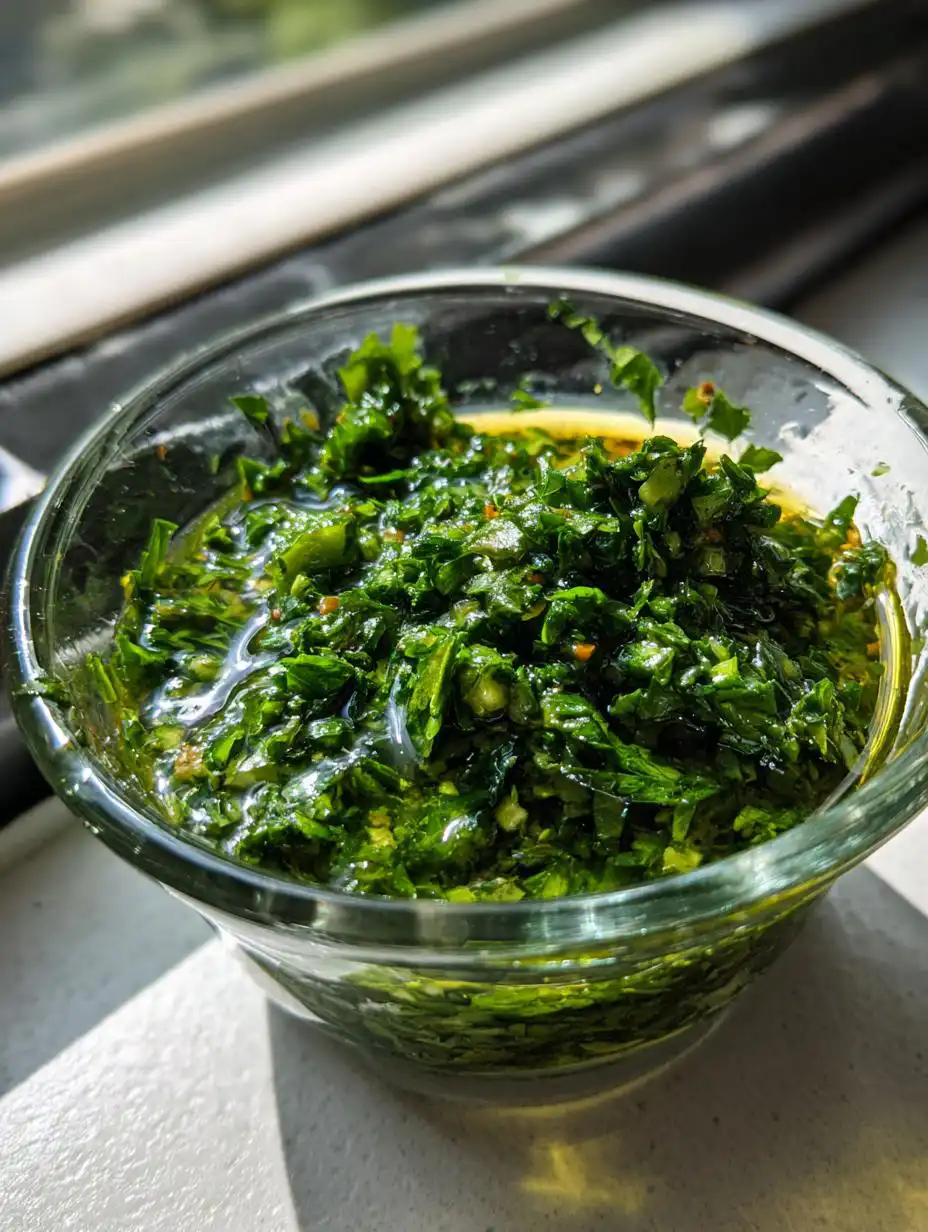
Once your herb base looks perfectly minced, it’s time to add the liquids and seasonings. Toss in your crushed red pepper flakes, the kosher salt, and the black pepper. Then, slowly pour in the olive oil, the red wine vinegar, and the fresh lemon juice. Now, this is the critical moment for texture control! You are only going to pulse this mixture two or three times—and I mean short, quick taps of the button. You want the liquids just to barely incorporate with the herbs. If you mix it for too long here, the acid starts to break down the herbs too much, and you lose that vibrant visual appeal of a fresh chimichurri sauce. It should look slightly messy, oily, and wonderfully green, not uniform.
Once you’ve done those few pulses, stop immediately! Take the lid off and give it a sniff. Taste a tiny bit on the tip of a clean spoon. This is your chance to fix anything before chilling. Does it need more zing? Add a tiny squeeze more lemon juice. Is it tasting a little flat? Add another small pinch of salt. Remember, the flavors will deepen a lot once it rests, so don’t over-season now.
Resting Time for Maximum Flavor Development
This step separates the good chimichurri sauce from the *great* one, and it’s the hardest part: waiting! You need to transfer the sauce into a clean glass jar or non-reactive bowl, cover it up, and stick it in the refrigerator. The recipe notes might say an hour, but honestly, I try to aim for at least two hours, or even overnight if I can manage it. Why? Because the vinegar, lemon juice, and oil need time to marry with all those fresh herbs and garlic. If you use it right away, it tastes sharp and disjointed. After an hour or two? Wow. The flavors meld together, the salt has time to work its magic, and you get that deep, rich, perfectly balanced zest that makes this sauce famous.
Tips for Perfect chimichurri sauce Every Time
Making a fantastic batch of chimichurri sauce is mostly about paying attention to the fine details, especially when you are tasting it at the end. I’ve learned that the raw flavors of the vinegar and lemon can be a little aggressive right out of the processor, which is totally normal. Don’t panic if it tastes too sharp straight away! The resting period we talked about is crucial for mellowing those acids out and letting the herbs shine through.
My biggest piece of advice is to always taste it right before you serve it, not just right after you blend it. You might find that the olive oil, which is rich and fatty, needs a little help balancing the sharpness. You want that bright, zesty punch to hit first, followed by the herbal notes, and finally, a slight warmth from the pepper flakes.
Adjusting Acidity and Salt
When you taste your chimichurri sauce, if it tastes a bit dull or flat, it almost always needs salt. Salt is what makes all those fresh herb flavors pop! Add a tiny pinch, stir it in, wait thirty seconds, and taste again. Repeat until it brightens up. If it tastes too sharp or too vinegary, don’t worry—you can’t really take vinegar out, but you can balance it by stirring in another tablespoon of good quality olive oil. That extra fat smooths out the harsh edges of the red wine vinegar beautifully. If it’s not tangy enough, a quick squeeze of fresh lemon juice will fix that right up. It’s all about finding that perfect, zesty equilibrium!
Storage and Keeping Your chimichurri sauce Fresh
This fresh chimichurri sauce is designed to be made ahead of time, which is one of its best features! Because it’s packed with oil and acid (vinegar and lemon), it actually keeps really well in the fridge. You want to make sure you’re storing it properly so it stays that vibrant green color and doesn’t go dull or murky. Always transfer it to an airtight container—glass is my preference because it doesn’t absorb any lingering garlic smells.
The flavor gets better over the first day, so don’t feel like you have to use it all up immediately. It truly tastes better the next day! You can find more tips on flavor preservation on our blog.
Storing Leftover chimichurri sauce
When you transfer your leftover chimichurri sauce, try to press a layer of plastic wrap directly onto the surface of the sauce before putting the lid on. This prevents too much air from touching the top layer, which helps keep the green color bright. If you notice a little layer of oil separating on top—that’s totally fine! Just give it a quick stir before serving.
Here’s a quick guide on how long you can expect this homemade condiment to last:
| Storage Method | Recommended Duration |
|---|---|
| Airtight Container in Refrigerator | Up to 2 Weeks |
| Frozen (in ice cube trays) | Up to 3 Months |
Serving Suggestions for chimichurri sauce
Okay, we’ve made the perfect, zesty chimichurri sauce, and now you’re probably thinking, ‘Steak, steak, steak!’ And yes, it’s unbelievable on a perfectly grilled flank steak or some smoky chicken, that much is true. But honestly, this sauce is too good to keep just for the grill! I encourage everyone to experiment because this bright green flavor booster can jazz up almost anything boring that crosses your plate. If you are looking for ideas on what to pair this with, check out our lemon garlic salmon recipe!
Beyond the obvious grilled meats, try spooning a generous amount over roasted potatoes—it makes them taste like they were cooked over an open fire! It’s amazing drizzled over fried eggs for breakfast; the tang cuts through the richness of the yolk perfectly. I also love using it as a vibrant dipping sauce for crusty bread while we wait for the main course.
Don’t forget fish! A firm white fish, like cod or halibut, gets a huge flavor upgrade from this sauce. Even simple roasted asparagus or broccoli florets become special when you toss them with a bit of this fresh chimichurri sauce right before serving. It’s truly the easiest way to make everyday meals feel fancy! For more flavor inspiration, see what we are pinning on Pinterest.
Frequently Asked Questions About chimichurri sauce
I get so many questions about making this amazing chimichurri sauce, especially from folks who are worried about getting the texture just right. It’s really more forgiving than people think, but there are a few things that always come up. Don’t stress about perfection; just focus on keeping those herbs fresh and tasting as you go! Remember, this sauce is meant to be bright and a little rustic, not perfectly smooth.
Here are the top things I hear people asking:
Can I make this chimichurri sauce without a food processor?
Absolutely, yes! If you don’t have a processor, you can definitely make this by hand, but you need to be diligent with your knife work. The key is to chop all the herbs (parsley, cilantro, oregano) extremely finely first. Then, mince the garlic and onion separately until they are almost paste-like. Combine those minced ingredients with the liquids and spices and stir vigorously with a whisk or fork until everything is just combined. It will be chunkier than the food processor version, but just as delicious! You might need to let the hand-chopped chimichurri sauce rest for an extra 30 minutes to let the flavors meld.
How long does homemade chimichurri sauce last?
Because this chimichurri sauce is loaded with olive oil and red wine vinegar, it’s quite stable! Properly stored in an airtight container in the fridge—remember that plastic wrap trick right on top of the surface?—it will stay vibrant and flavorful for up to two weeks. I’ve even pushed it to three weeks, but I always suggest two weeks for the absolute best zesty experience. If you freeze it, it lasts for months, which is a lifesaver!
Nutritional Estimates for chimichurri sauce
I always include this note because people ask, but remember, these numbers are just estimates based on the ingredients listed! Since this chimichurri sauce is mostly oil and fresh herbs, the calories definitely stack up if you eat a huge helping, but the fat is mostly the good stuff from the olive oil. As always, taste and adjust your seasonings before you worry too much about the exact count!
| Nutrient | Amount (Per 1/8 Recipe) |
|---|---|
| Calories | 70 |
| Fat | 7g |
| Carbohydrates | 1g |
| Protein | 1g |

Blazing chimichurri sauce: 2-hour taste shock
- Total Time: 10 minutes
- Yield: 1 cup (about 8 servings)
- Diet: Vegetarian
Description
This fresh chimichurri sauce blends parsley, cilantro, and garlic with olive oil and lemon for a zesty condiment perfect for grilled meats and veggies. It adds a punch of flavor to grilled chicken, steak, fish, or vegetables.
Ingredients
- 1 cup fresh flat-leaf parsley leaves
- 1/4 cup fresh cilantro leaves
- 2 tablespoons fresh oregano leaves
- 1/3 cup red onion, roughly chopped
- 3 garlic cloves, peeled
- 1/2 teaspoon crushed red pepper flakes
- 1/2 cup extra virgin olive oil
- 1/4 cup red wine vinegar
- 2 tablespoons fresh lemon juice
- 1 teaspoon kosher salt
- 1/4 teaspoon black pepper
Instructions
- Add parsley, cilantro, oregano, red onion, and garlic to a food processor. Pulse until finely chopped.
- Add red pepper flakes, olive oil, vinegar, lemon juice, salt, and black pepper. Pulse 2 to 3 times until just combined but not pureed.
- Taste and adjust seasoning with more salt or lemon juice if desired.
- Transfer to a glass jar or bowl. Cover and refrigerate for at least 1 hour to let flavors blend.
- Serve spooned over grilled chicken, steak, fish, or roasted vegetables.
Notes
- Keep a jar in the fridge to instantly add bold, tangy flavor to any meal.
- Refrigerate for at least 1 hour for best flavor development.
- Prep Time: 10 minutes
- Cook Time: 0 minutes
- Category: Condiment
- Method: Food Processor
- Cuisine: Argentinian/Latin American