If you are tired of eating tiny portions that leave you staring longingly at the pantry, then you need to know about the High Volume Low Calorie Ramen Bowl. Seriously, stop letting restrictive diets make you miserable! I’m Jordan Bell, living here in Asheville, NC, and I know that feeling well. I’ve lost over eighty pounds, and I learned fast that deprivation doesn’t work long-term.
My whole philosophy on my Easy Detox Recipes blog is taking those comforting classics—the things you truly crave—and cleaning them up so they fit your goals. I grew up on Southern comfort food, so I know how important it is for a meal to *feel* substantial. That’s why this ramen is such a game-changer.
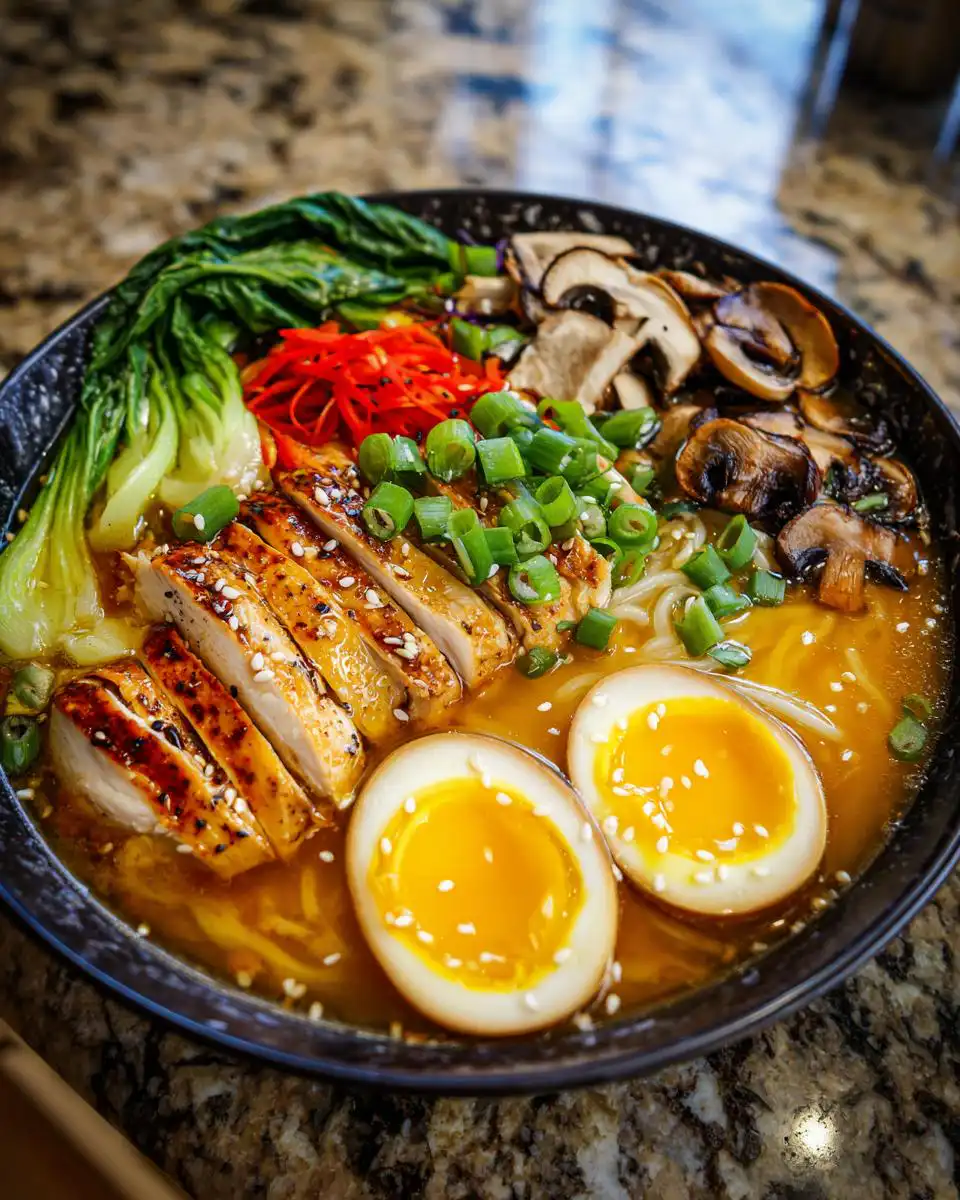
This High Volume Low Calorie Ramen Bowl delivers massive volume—we’re talking a truly huge bowl—for just 285 calories, but packs a whopping 35 grams of protein. It’s the perfect example of how we can eat big, satisfying meals while staying completely on track. Get ready to slurp down this savory ginger broth!
Why You’ll Love This High Volume Low Calorie Ramen Bowl
When you’re trying to eat lighter, the last thing you want is a sad little cup of broth. This recipe flips the script! You get all the satisfying slurp of traditional ramen, but it’s designed specifically to keep you full for hours. It’s my go-to when I need a big win on a Tuesday night!
- It’s truly massive! You get to eat a huge bowl of food without the guilt.
- The protein count is through the roof, which is fantastic for keeping hunger pangs away.
- It tastes complex and rich, thanks to that fresh ginger and savory broth.
Quick Preparation Time
You won’t spend an hour over the stove, I promise! The total time clocks in at just 30 minutes. That means you can have this incredible, filling meal on the table faster than ordering takeout, which is a huge plus on busy weeknights.
Satisfying Texture and Flavor
The secret weapon here is definitely the shirataki noodles; they don’t add the calories, but they give you that wonderful, chewy texture you expect from ramen. Paired with the bright, aromatic ginger broth and tender veggies, every spoonful feels like a treat.
Excellent for Weight Management
Let’s talk numbers because they really matter when you’re tracking. Each giant bowl clocks in at only 285 calories! But because we load it up with lean chicken breast, you’re still getting a massive 35 grams of protein. That combination is pure weight-loss magic, trust me.
Essential Equipment for Your High Volume Low Calorie Ramen Bowl
I always tell folks that having the right gear makes cooking so much less of a chore, especially when you’re trying to make something fast and healthy. You don’t need a million fancy gadgets for this ramen, but a couple of specific items really make the process smooth and ensure you get that perfect texture.
Key Cookware Needed
Make sure you have these two things ready to go before you start prepping your ingredients. This keeps everything moving quickly, which is key since the total cook time is so short!
- A large stockpot for building that amazing, flavorful broth. You need the space so everything can simmer nicely.
- A separate large, nonstick skillet. This is absolutely non-negotiable for properly drying out those shirataki noodles—don’t skip that step!
Gathering Ingredients for Your High Volume Low Calorie Ramen Bowl
The beauty of this recipe is that while it packs a flavor punch, the ingredient list is built around lean protein and tons of vegetables. We are focusing on volume here, so don’t be shy with the mushrooms and cabbage! I always lay everything out before I turn on the first burner—it makes the whole process feel calm instead of chaotic.
Remember, we are keeping the sodium in check, so using low-sodium broth is important, but we rely on fresh aromatics like ginger and garlic to bring the deep flavor. Don’t skimp on prepping those noodles right; that step is what makes this ramen truly low-calorie without tasting strange.
Ingredient Selection and Preparation Guide
A little advance work on your ingredients makes the 30-minute cook time fly by. Especially with the chicken, the thinner you slice it, the faster it cooks and the more tender it stays when it hits that hot broth. Get your chopping done, and you’re practically eating!
Ingredient List Table
| Ingredient | Required Amount | Preparation Notes |
|---|---|---|
| Low Sodium Chicken Broth | 4 cups | Use low sodium to control the final saltiness. |
| Garlic | 2 cloves | Mince finely. |
| Fresh Ginger | 1 tablespoon | Grate it fresh for the best aroma. |
| Reduced Sodium Soy Sauce | 2 tablespoons | Measure carefully. |
| Rice Vinegar | 1 tablespoon | Adds necessary tang. |
| Sesame Oil | 1 teaspoon | This is for flavor, only a little is needed. |
| Sriracha Sauce | ½ teaspoon | Adjust to your preferred spice level. |
| Black Pepper | ¼ teaspoon | Freshly cracked is always best. |
| Shirataki Noodles | 2 packages | Drain and rinse thoroughly under cold water first. |
| Boneless Skinless Chicken Breast | 12 ounces | Slice very thinly against the grain. |
| Bok Choy | 2 cups | Chop into bite-sized pieces. |
| Shiitake Mushrooms | 1 cup | Slice them up. |
| Red Cabbage | 1 cup | Shred paper-thin if possible. |
| Bean Sprouts | 1 cup | Rinse well; use them raw for crunch. |
| Soft Boiled Eggs | 2 | Halve them just before serving. |
| Green Onions | 2 | Slice thinly for garnish. |
| Sesame Seeds | 1 teaspoon | Toasted is great, but raw works too! |
Step by Step: Making the High Volume Low Calorie Ramen Bowl
Okay, let’s get cooking! Because this whole thing comes together in about 30 minutes, you need to keep moving. Don’t worry, I’ll walk you through every single step. The key to this high volume low calorie ramen bowl is making sure each component is cooked perfectly before it hits the bowl, especially those noodles!
Preparing the Shirataki Noodles
This is the most important non-cooking step, so pay attention! Shirataki noodles often come packed in liquid, and that liquid smells a little… well, let’s just say it’s not exactly like perfume. You have to get rid of it. First, drain both packages of noodles really well. Then, run them under cold water for a solid 60 seconds, just massaging them between your fingers to clean them off.
Now for the magic that removes any lingering smell and improves the texture dramatically: dry them out! Grab a dry, nonstick skillet—no oil yet!—and put it over medium heat. Toss those wet noodles in there and let them cook for about 5 to 7 minutes. You stir them every so often. You’ll notice the moisture evaporating; keep going until they look dry. Seriously, this step makes all the difference!
Building the Flavorful Ginger Broth
While those noodles are working hard, grab your large pot. We are building flavor fast here. Add your 4 cups of low sodium chicken broth. Toss in the minced garlic, the grated fresh ginger—don’t be stingy with the ginger, it’s the star!—soy sauce, rice vinegar, sesame oil, sriracha, and black pepper.
Crank the heat up high and bring that mixture to a rolling boil. We need that aggressive heat to wake up all those spices and aromatics. Once it’s bubbling hard, reduce the heat down to medium. We need a steady simmer for the next steps.
Cooking the Lean Protein
While the broth is simmering away, we handle the chicken. Grab that separate large skillet, give it a quick spray with cooking spray—just a little bit to prevent sticking—and put it over medium-high heat. Take your thinly sliced chicken breast and lay it in the pan. Remember what I said about slicing it thin? That matters now!
Cook it for about 5 to 6 minutes total, flipping it halfway through. You want it golden brown on the outside and cooked all the way through. Use a thermometer if you have one, or just cut into the thickest piece to check; that internal temperature needs to hit 165°F to be safe. Once it’s done, pull it off the heat.
Combining Broth and Vegetables
Back to the broth! Once it’s simmering nicely, we add the mushrooms first. Toss in those sliced shiitakes and let them cook for about 3 minutes until they start looking soft and delicious. They need a little extra time to soak up that broth.
Next, dump in the chopped bok choy, the shredded cabbage, and the bean sprouts. Don’t overcook these! We want them tender, yes, but still having a little bit of that wonderful crisp texture that makes this ramen so satisfying. Two minutes max, and then turn the heat off.
Assembling and Serving the High Volume Low Calorie Ramen Bowl
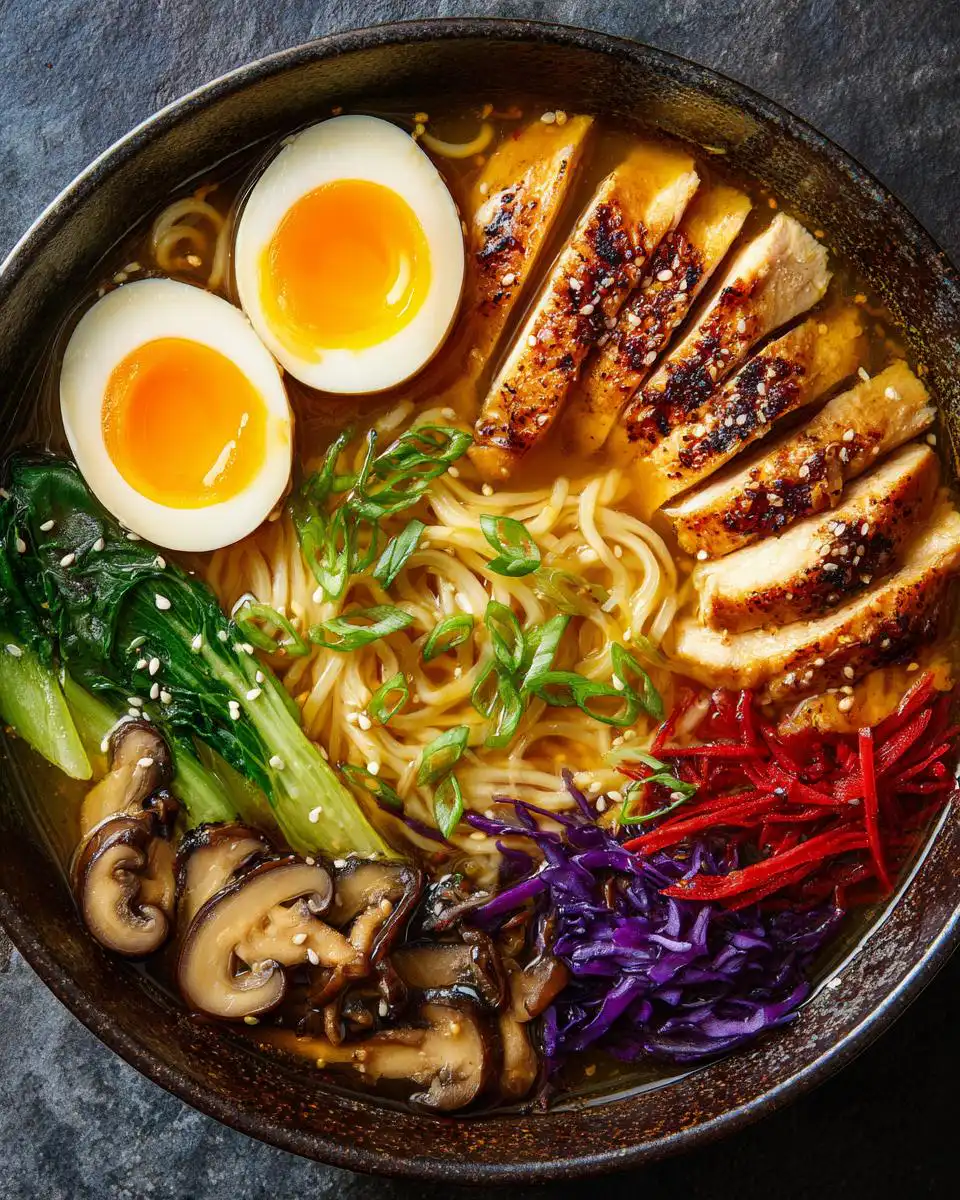
Time to build the showstopper! Divide those dry shirataki noodles evenly between your two biggest serving bowls—seriously, use big ones to show off that volume! Now, ladle that hot, chunky broth mixture right over the noodles. Make sure everyone gets a fair share of the veggies!
Next, divide the cooked chicken breast between the bowls. Carefully place half of a soft-boiled egg on top of each serving. Finally, sprinkle them generously with the sliced green onions and a little shower of sesame seeds. You serve this immediately while it’s piping hot. Give it a good stir right before you take the first bite to make sure all those amazing flavors get mixed in!
Tips for Success in Your High Volume Low Calorie Ramen Bowl
When you’re working with low-calorie ingredients like shirataki noodles, technique is everything. If you follow these little tricks I’ve picked up over the years, you’ll get restaurant-quality texture and flavor every single time. This isn’t just throwing things in a pot; it’s about respecting the ingredients!
Mastering the Noodle Texture
I can’t stress this enough: you absolutely must dry the shirataki noodles completely in that hot skillet before you add them to the broth. If you skip this, they’ll be slimy, and they’ll taste like the package they came in. Evaporating that moisture allows them to truly absorb the flavor of the ginger broth instead of just sitting in it. It totally transforms them!
Achieving Tender Chicken
The secret to keeping that chicken breast juicy, even though it’s so lean, is slicing it paper-thin against the grain. When you slice against the grain, you shorten the muscle fibers, which means less chewing and a more tender bite. Also, don’t let it sit in the hot pan after it hits 165°F; pull it out right away!
Presentation Matters
Since this is a high volume recipe, we need to show it off! Don’t try to cram this into a small soup bowl. Use the biggest, deepest bowl you own. When you see how much food you have piled high—the veggies, the egg, the chicken—it tricks your brain into feeling like you are eating a massive, decadent meal, which helps keep you satisfied mentally as well as physically.
Frequently Asked Questions About High Volume Low Calorie Ramen Bowl
I get so many questions about customizing this recipe, which is great! It truly is flexible, but a few ingredients are key to keeping it low calorie and high protein. Here are the things folks ask me most often when they are planning their meal prep.
Can I Substitute the Chicken in This High Volume Low Calorie Ramen Bowl?
Yes, absolutely! If you want to switch up your protein, lean shrimp or firm tofu work wonderfully here. Tofu needs to be pressed well before you sear it in the skillet just like the chicken. Shrimp cooks even faster, so only give it about 2 minutes in the hot broth to cook through.
How Do I Reduce Sodium Further in This Low Calorie Ramen?
If you are watching sodium closely, the best place to cut back is the soy sauce. Try using only 1 tablespoon instead of 2, or look for coconut aminos as a substitute, though that will slightly change the flavor profile. Also, always choose the lowest sodium broth available, and make sure you rinse that soy sauce off the chicken if you decide to marinate it.
Is It Okay to Use Different Noodles?
Honestly, for this specific low calorie ramen recipe, no. Shirataki noodles are the reason we hit that incredible 285-calorie mark with so much volume. If you swap them out for standard wheat ramen or rice noodles, your calorie count will shoot up significantly, and you’ll lose the unique texture that makes this a great weight loss meal.
Storing Leftovers of Your High Volume Low Calorie Ramen Bowl
I love making this recipe ahead for lunches during the week, but you can’t just dump the whole bowl in a container and stick it in the fridge. The noodles get weird, and the raw veggies wilt. The key to storing this high protein ramen is separating the moisture-sensitive parts from the broth. Trust me, nobody wants soggy sprouts the next day!
When you pack it up, keep the broth and the cooked chicken together in one container. Keep the shirataki noodles and the raw garnishes (like the sprouts and green onions) separate. When you reheat the broth, it will be just as flavorful the next day, and you can add those fresh toppings right before you eat for that perfect texture.
Storage and Reheating Table
| Component | Storage Time | Reheating Method | Best Practices |
|---|---|---|---|
| Broth & Cooked Chicken | Up to 4 days | Microwave or stovetop until steaming hot. | Store in an airtight container. This stays great! |
| Shirataki Noodles | Up to 4 days | Rinse briefly under warm water before adding to hot broth. | Keep them separate; they can get sticky if stored wet. |
| Raw Vegetables/Garnishes | Up to 3 days | Do not reheat. | Add fresh to the reheated bowl for maximum crunch and color. |
Estimated Nutritional Information for This High Volume Low Calorie Ramen Bowl
I always keep the nutrition facts front and center because it’s amazing how much food you get for so few calories! This breakdown is based on one full, massive serving, but remember, this is an estimate. You know how it is with fresh ingredients—they vary a little bit!
Estimated Nutrient Breakdown Per Serving
| Nutrient | Amount |
|---|---|
| Calories | 285 |
| Protein | 35g |
| Fat | 9g |
| Carbohydrates | 18g |
Share Your High Volume Low Calorie Ramen Bowl Experience
I truly hope this massive, satisfying bowl hits the spot for you the way it does for me! This is one of my favorite easy detox recipes because it feels so indulgent, yet it fits right into any healthy eating plan. Go ahead and make it, and then come right back here!
Let me know down in the comments what you thought—did you use shrimp instead of chicken? Did you add extra sriracha? Give this recipe a star rating so other folks can see how amazing this high volume low calorie ramen bowl is!
If you want to see more of my favorite low-calorie, high-volume meals, check out my Pinterest boards or follow along on Medium!
Tips for Success in Your High Volume Low Calorie Ramen Bowl
When you’re working with low-calorie ingredients like shirataki noodles, technique is everything. If you follow these little tricks I’ve picked up over the years, you’ll get restaurant-quality texture and flavor every single time. This isn’t just throwing things in a pot; it’s about respecting the ingredients!
Mastering the Noodle Texture
I can’t stress this enough: you absolutely must dry the shirataki noodles completely in that hot skillet before you add them to the broth. If you skip this, they’ll be slimy, and they’ll taste like the package they came in. Evaporating that moisture allows them to truly absorb the flavor of the ginger broth instead of just sitting in it. It totally transforms them!
Achieving Tender Chicken
The secret to keeping that chicken breast juicy, even though it’s so lean, is slicing it paper-thin against the grain. When you slice against the grain, you shorten the muscle fibers, which means less chewing and a more tender bite. Also, don’t let it sit in the hot pan after it hits 165°F; pull it out right away!
Presentation Matters
Since this is a high volume recipe, we need to show it off! Don’t try to cram this into a small soup bowl. Use the biggest, deepest bowl you own. When you see how much food you have piled high—the veggies, the egg, the chicken—it tricks your brain into feeling like you are eating a massive, decadent meal, which helps keep you satisfied mentally as well as physically.
Frequently Asked Questions About High Volume Low Calorie Ramen Bowl
I get so many questions about customizing this recipe, which is great! It truly is flexible, but a few ingredients are key to keeping it low calorie and high protein. Here are the things folks ask me most often when they are planning their meal prep.
Can I Substitute the Chicken in This High Volume Low Calorie Ramen Bowl?
Yes, absolutely! If you want to switch up your protein, lean shrimp or firm tofu work wonderfully here. Tofu needs to be pressed well before you sear it in the skillet just like the chicken. Shrimp cooks even faster, so only give it about 2 minutes in the hot broth to cook through. You keep that high protein punch!
How Do I Reduce Sodium Further in This Low Calorie Ramen?
If you are watching sodium closely, the best place to cut back is the soy sauce. Try using only 1 tablespoon instead of 2, or look for coconut aminos as a substitute, though that will slightly change the flavor profile. Also, always choose the lowest sodium broth available, and make sure you rinse that soy sauce off the chicken if you decide to marinate it.
Is It Okay to Use Different Noodles?
Honestly, for this specific low calorie ramen recipe, no. Shirataki noodles are the reason we hit that incredible 285-calorie mark with so much volume. If you swap them out for standard wheat ramen or rice noodles, your calorie count will shoot up significantly, and you’ll lose the unique texture that makes this a great weight loss meal.
Storing Leftovers of Your High Volume Low Calorie Ramen Bowl
I love making this recipe ahead for lunches during the week, but you can’t just dump the whole bowl in a container and stick it in the fridge. The noodles get weird, and the raw veggies wilt. The key to storing this high protein ramen is separating the moisture-sensitive parts from the broth. Trust me, nobody wants soggy sprouts the next day!
When you pack it up, keep the broth and the cooked chicken together in one container. Keep the shirataki noodles and the raw garnishes (like the sprouts and green onions) separate. When you reheat the broth, it will be just as flavorful the next day, and you can add those fresh toppings right before you eat for that perfect texture.
Storage and Reheating Table
| Component | Storage Time | Reheating Method | Best Practices |
|---|---|---|---|
| Broth & Cooked Chicken | Up to 4 days | Microwave or stovetop until steaming hot. | Store in an airtight container. This stays great! |
| Shirataki Noodles | Up to 4 days | Rinse briefly under warm water before adding to hot broth. | Keep them separate; they can get sticky if stored wet. |
| Raw Vegetables/Garnishes | Up to 3 days | Do not reheat. | Add fresh to the reheated bowl for maximum crunch and color. |
Estimated Nutritional Information for This High Volume Low Calorie Ramen Bowl
I always keep the nutrition facts front and center because it’s amazing how much food you get for so few calories! This breakdown is based on one full, massive serving, but remember, this is an estimate. You know how it is with fresh ingredients—they vary a little bit!
Estimated Nutrient Breakdown Per Serving
| Nutrient | Amount |
|---|---|
| Calories | 285 |
| Protein | 35g |
| Fat | 9g |
| Carbohydrates | 18g |
Share Your High Volume Low Calorie Ramen Bowl Experience
I truly hope this massive, satisfying bowl hits the spot for you the way it does for me! This is one of my favorite easy detox recipes because it feels so indulgent, yet it fits right into any healthy eating plan. Go ahead and make it, and then come right back here!
Let me know down in the comments what you thought—did you use shrimp instead of chicken? Did you add extra sriracha? Give this recipe a star rating so other folks can see how amazing this high volume low calorie ramen bowl is!
Tips for Success in Your High Volume Low Calorie Ramen Bowl
When you’re working with low-calorie ingredients like shirataki noodles, technique is everything. If you follow these little tricks I’ve picked up over the years, you’ll get restaurant-quality texture and flavor every single time. This isn’t just throwing things in a pot; it’s about respecting the ingredients!
Mastering the Noodle Texture
I can’t stress this enough: you absolutely must dry the shirataki noodles completely in that hot skillet before you add them to the broth. If you skip this, they’ll be slimy, and they’ll taste like the package they came in. Evaporating that moisture allows them to truly absorb the flavor of the ginger broth instead of just sitting in it. It totally transforms them!
Achieving Tender Chicken
The secret to keeping that chicken breast juicy, even though it’s so lean, is slicing it paper-thin against the grain. When you slice against the grain, you shorten the muscle fibers, which means less chewing and a more tender bite. Also, don’t let it sit in the hot pan after it hits 165°F; pull it out right away!
Presentation Matters
Since this is a high volume recipe, we need to show it off! Don’t try to cram this into a small soup bowl. Use the biggest, deepest bowl you own. When you see how much food you have piled high—the veggies, the egg, the chicken—it tricks your brain into feeling like you are eating a massive, decadent meal, which helps keep you satisfied mentally as well as physically.
Frequently Asked Questions About High Volume Low Calorie Ramen Bowl
I get so many questions about customizing this recipe, which is great! It truly is flexible, but a few ingredients are key to keeping it low calorie and high protein. Here are the things folks ask me most often when they are planning their meal prep.
Can I Substitute the Chicken in This High Volume Low Calorie Ramen Bowl?
Yes, absolutely! If you want to switch up your protein, lean shrimp or firm tofu work wonderfully here. Tofu needs to be pressed well before you sear it in the skillet just like the chicken. Shrimp cooks even faster, so only give it about 2 minutes in the hot broth to cook through.
How Do I Reduce Sodium Further in This Low Calorie Ramen?
If you are watching sodium closely, the best place to cut back is the soy sauce. Try using only 1 tablespoon instead of 2, or look for coconut aminos as a substitute, though that will slightly change the flavor profile. Also, always choose the lowest sodium broth available, and make sure you rinse that soy sauce off the chicken if you decide to marinate it.
Is It Okay to Use Different Noodles?
Honestly, for this specific low calorie ramen recipe, no. Shirataki noodles are the reason we hit that incredible 285-calorie mark with so much volume. If you swap them out for standard wheat ramen or rice noodles, your calorie count will shoot up significantly, and you’ll lose the unique texture that makes this a great weight loss meal.
Storing Leftovers of Your High Volume Low Calorie Ramen Bowl
I love making this recipe ahead for lunches during the week, but you can’t just dump the whole bowl in a container and stick it in the fridge. The noodles get weird, and the raw veggies wilt. The key to storing this high protein ramen is separating the moisture-sensitive parts from the broth. Trust me, nobody wants soggy sprouts the next day!
When you pack it up, keep the broth and the cooked chicken together in one container. Keep the shirataki noodles and the raw garnishes (like the sprouts and green onions) separate. When you reheat the broth, it will be just as flavorful the next day, and you can add those fresh toppings right before you eat for that perfect texture.
Storage and Reheating Table
| Component | Storage Time | Reheating Method | Best Practices |
|---|---|---|---|
| Broth & Cooked Chicken | Up to 4 days | Microwave or stovetop until steaming hot. | Store in an airtight container. This stays great! |
| Shirataki Noodles | Up to 4 days | Rinse briefly under warm water before adding to hot broth. | Keep them separate; they can get sticky if stored wet. |
| Raw Vegetables/Garnishes | Up to 3 days | Do not reheat. | Add fresh to the reheated bowl for maximum crunch and color. |
Estimated Nutritional Information for This High Volume Low Calorie Ramen Bowl
I always keep the nutrition facts front and center because it’s amazing how much food you get for so few calories! This breakdown is based on one full, massive serving, but remember, this is an estimate. You know how it is with fresh ingredients—they vary a little bit!
Estimated Nutrient Breakdown Per Serving
| Nutrient | Amount |
|---|---|
| Calories | 285 |
| Protein | 35g |
| Fat | 9g |
| Carbohydrates | 18g |
Share Your High Volume Low Calorie Ramen Bowl Experience
I truly hope this massive, satisfying bowl hits the spot for you the way it does for me! This is one of my favorite easy detox recipes because it feels so indulgent, yet it fits right into any healthy eating plan. Go ahead and make it, and then come right back here!
Let me know down in the comments what you thought—did you use shrimp instead of chicken? Did you add extra sriracha? Give this recipe a star rating so other folks can see how amazing this high volume low calorie ramen bowl is!
Print
35g Protein High Volume Low Calorie Ramen Bowl
- Total Time: 30 minutes
- Yield: 2 large servings
Description
Massive high volume low calorie ramen bowl with just 285 calories and 35g protein. Loaded with chicken, shirataki noodles, and vegetables in savory ginger broth. This recipe transforms traditional ramen into a weight-loss-friendly meal that fills you up without the heavy calorie load.
Ingredients
- 4 cups low sodium chicken broth
- 2 cloves garlic, minced
- 1 tablespoon fresh ginger, grated
- 2 tablespoons reduced sodium soy sauce
- 1 tablespoon rice vinegar
- 1 teaspoon sesame oil
- ½ teaspoon sriracha sauce
- ¼ teaspoon black pepper
- 2 packages shirataki noodles, drained and rinsed
- 12 ounces boneless skinless chicken breast, thinly sliced
- 2 cups bok choy, chopped
- 1 cup shiitake mushrooms, sliced
- 1 cup red cabbage, shredded
- 1 cup bean sprouts
- 2 soft boiled eggs, halved
- 2 green onions, sliced
- 1 teaspoon sesame seeds
- Cooking spray
Instructions
- Drain and rinse the shirataki noodles under cold water for 60 seconds. Transfer to a dry nonstick skillet over medium heat and cook for 5 to 7 minutes, stirring occasionally, until all moisture has evaporated and the noodles are dry.
- Add the chicken broth, minced garlic, grated ginger, soy sauce, rice vinegar, sesame oil, sriracha, and black pepper to a large pot and bring to a boil over high heat.
- While the broth heats, spray a separate large skillet with cooking spray and heat over medium-high heat. Add the thinly sliced chicken breast and cook for 5 to 6 minutes, flipping once, until golden brown and cooked to an internal temperature of 165°F.
- Once the broth is boiling, reduce the heat to medium and add the sliced mushrooms, cooking for 3 minutes until softened.
- Add the bok choy, shredded cabbage, and bean sprouts to the broth and cook for 2 more minutes until the vegetables are tender but still crisp.
- Divide the prepared shirataki noodles between two large serving bowls. Ladle the hot broth and vegetables over the noodles, filling each bowl generously.
- Top each bowl with half of the cooked chicken breast, one soft boiled egg cut in half, sliced green onions, and a sprinkle of sesame seeds.
- Serve immediately while hot, stirring everything together just before eating to distribute the flavors evenly.
Notes
- Dry the shirataki noodles thoroughly in a hot skillet before adding to the bowl to remove the distinctive smell and improve the texture dramatically.
- Slice the chicken breast very thin against the grain so it cooks quickly and stays tender in the ramen bowl.
- Bring the broth to a full boil before adding vegetables so they cook quickly and retain their bright color and crisp texture.
- Use a mandoline or sharp knife to slice the cabbage paper-thin so it wilts perfectly in the hot broth without staying too crunchy.
- Serve the ramen in oversized bowls to showcase the massive volume and make the meal feel even more satisfying and impressive.
- Store all ramen components separately in airtight containers in the refrigerator for up to 4 days. Reheat broth, noodles, and chicken separately, adding fresh garnishes when serving.
- Prep Time: 15 minutes
- Cook Time: 15 minutes