It’s Jordan Bell here from Asheville, NC, and if you’re like me, you crave that amazing, sticky-sweet flavor of restaurant food, but you don’t want to derail all the hard work you put into eating clean. When I was working on losing over 80 pounds, I realized that Southern comfort food didn’t have to mean heavy, fried dishes; it just needed a little creative makeover. That’s why I started Easy Detox Recipes, focusing on making classics lighter without sacrificing an ounce of flavor.
Today, we’re tackling a real showstopper that tastes exactly like what you get at your favorite steakhouse: the Texas Roadhouse Style Baked Salmon. Seriously, this baked salmon recipe delivers that incredible, slightly salty, deeply caramelized crust you dream about. It’s so quick—under 20 minutes total—that it’s perfect for a busy weeknight when you need something satisfying and healthy on the table fast. Forget complicated marinades; this sweet and savory glaze comes together with just a few pantry staples, proving that clean eating can absolutely taste like cheating!
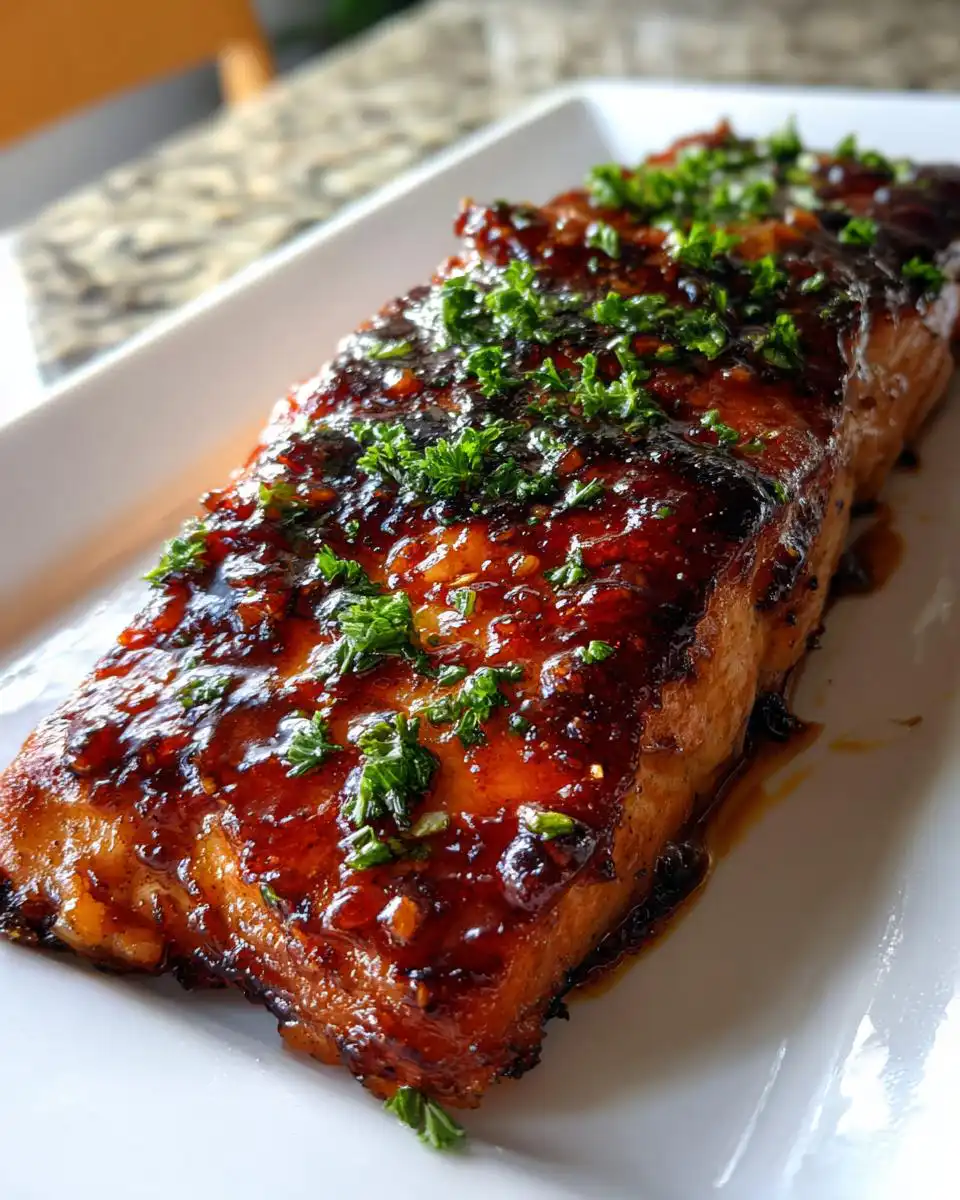
Why You Will Love This Texas Roadhouse Style Baked Salmon
I’m telling you, this recipe is going to become your new weeknight hero. It’s got all the indulgence of a restaurant meal but keeps things speedy and healthy, which is exactly what I need now that I’m focused on clean eating after my big weight loss journey. You won’t believe how easy it is to get that restaurant-quality flavor right in your own kitchen with this Texas Roadhouse Style Baked Salmon.
- It’s unbelievably fast! We’re talking about 20 minutes total from start to finish, which beats driving to the restaurant any day.
- The flavor is pure magic: that sticky, sweet, and savory combination just sings on the tender fish.
- It’s a genuinely healthy main dish that lets you enjoy incredible flavor without the guilt.
Quick Preparation and Easy Cleanup
Honestly, the cleanup is my favorite part! Since this is a baked salmon recipe, we line the sheet pan with parchment paper. You whisk the glaze, brush it on, bake it for 15 minutes, and then toss that parchment paper! No scrubbing sticky pans, which means less time at the sink and more time enjoying that delicious dinner. It’s truly ready in about 20 minutes total.
Perfectly Caramelized Salmon Every Time
The key to that amazing texture is the glaze itself—it’s not just a sauce; it’s designed to caramelize under the heat. When you brush on that second layer of glaze near the end of the bake time, the sugars start to bubble and brown beautifully. That’s how you get that signature, slightly chewy, deeply flavorful crust on your caramelized salmon. It elevates simple baked fish into something spectacular.
Essential Ingredients for Texas Roadhouse Style Baked Salmon
Okay, friends, let’s talk about what makes this Texas Roadhouse Style Baked Salmon taste so unbelievably close to the restaurant version. It’s not a complicated grocery list, which is great because I always say that simple, high-quality ingredients shine the brightest. We are relying on a few pantry staples to create that incredible depth of flavor that makes people ask for the recipe immediately.
The magic here really comes down to the balance between the salty umami notes and the sweet caramelization. Once you have these core components ready, you’re halfway to dinner! I’m going to list everything out for you in a simple table format right below this, but first, I want to chat about why these specific items matter so much to the final outcome.
Sourcing Quality Salmon Fillets
You simply cannot fake good fish. Since the salmon itself is the star, please, please try to find the best fillets you can. I always look for thick, center-cut pieces that feel firm to the touch. If you can get wild-caught, great, but even standard high-quality farmed salmon works wonderfully here. Patting them completely dry before glazing is non-negotiable! This step helps you get that beautiful sear and prevents the fish from steaming. It’s the foundational step for any truly great baked salmon recipe.
Crafting the Sweet and Savory Glaze
This is where all the fun happens! The glaze is a simple four-part harmony. We need dark brown sugar for that deep molasses flavor, good quality soy sauce for the salty backbone, rich honey to help everything bind and shine, and just a little bit of butter to carry all those flavors and help the mixture spread nicely. Whisking these together until they are totally smooth creates the perfect sweet and savory glaze that transforms plain salmon into something spectacular. Trust me, you’ll want to taste it right off the whisk!
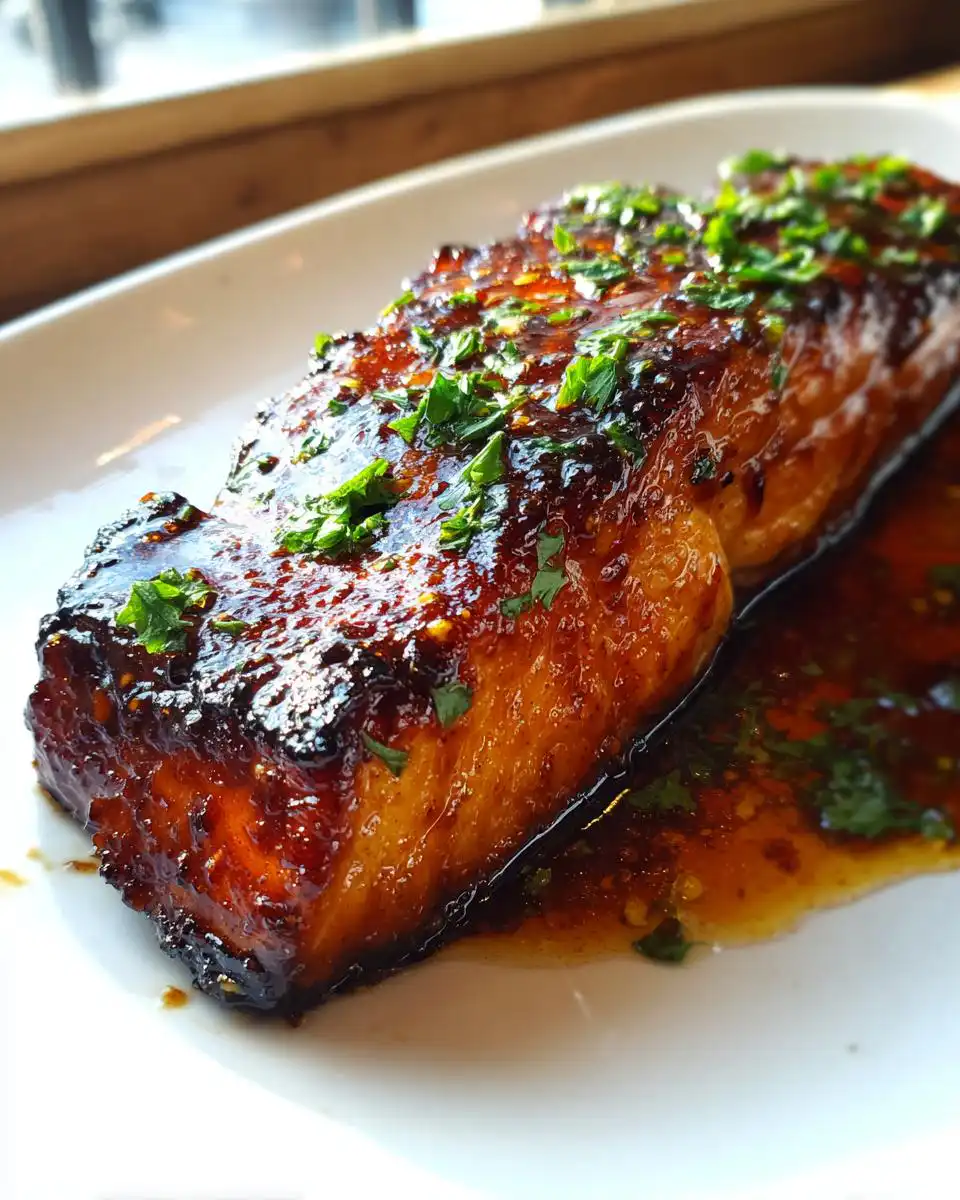
Equipment Needed for Your Glazed Salmon
You really don’t need much fancy gear for this recipe, which keeps things super accessible for weeknight cooking. Having the right tools makes the process smooth, though. We’re keeping this simple so you can focus on that amazing flavor!
- A sturdy small bowl for mixing the glaze.
- A whisk or small spoon.
- A baking sheet sturdy enough to hold your fillets.
- A silicone pastry brush for applying the glaze.
Baking Sheet and Parchment Paper
This is crucial, especially when dealing with sugars in the glaze! You absolutely must line your baking sheet with parchment paper. If you don’t, that beautiful honey and brown sugar mixture will bake right onto the metal, and you’ll spend ages scrubbing later. Using parchment ensures that when the salmon is done, it lifts right off, making cleanup a total breeze for this glazed salmon.
Step-by-Step Instructions for Texas Roadhouse Style Baked Salmon
Alright, let’s get cooking! This process is so fast you’ll barely have time to set the table before it’s done. We are moving quickly, but precision matters, especially with the timing, to make sure we hit that perfect texture for our Texas Roadhouse Style Baked Salmon. Grab your sheets and bowls, and let’s follow these steps exactly!
Preparing the Salmon and Oven
First things first: get that oven heated up! Preheat it, and make sure you line a baking sheet with parchment paper—don’t skip that, or you’ll regret the cleanup later, trust me. Next, grab your salmon fillets. The most important thing here is moisture control. Take paper towels and gently pat every surface of the salmon completely dry. If the fish is wet, the glaze won’t stick properly, and we won’t get that beautiful crust we’re aiming for.
Mixing the Signature Sweet and Savory Glaze
Now for the star of the show! In a small bowl, combine your brown sugar, soy sauce, honey, and the softened butter. You need to whisk this really well. Keep going until you have a completely smooth mixture. It should look glossy and uniform, no lumps of sugar hiding anywhere. This rich mixture is what turns simple fish into amazing brown sugar salmon!
Initial Glazing and First Bake
Take your pastry brush and generously coat your dried salmon fillets with about half of that amazing glaze. Make sure you get the tops and the sides—don’t be shy! Place the brushed fillets onto your lined baking sheet and pop them right into the preheated oven. We bake them for exactly 8 minutes first. This initial bake starts cooking the fish gently while setting the first layer of glaze.
Final Glazing and Achieving Caramelization
After those first 8 minutes are up, pull the pan out carefully. Now, brush on the remaining glaze mixture over the tops of the salmon. Return the pan to the oven and continue baking. You need to keep an eye on it now! Bake until the fish flakes easily with a fork and, crucially, hits an internal temperature of 145°F. That final burst of heat is what turns the glaze into that perfect, sticky, deeply caramelized salmon crust.
Finishing and Garnishing the Restaurant Copycat Recipe
Once it hits temperature, pull your gorgeous salmon out. The fish should be tender, flaky, and look just like the one you order out! Right before serving, take some fresh parsley—I like to chop it pretty fine—and sprinkle it over the top for a pop of color and freshness. Congratulations, you just nailed this restaurant copycat recipe!
Tips for Perfect Texas Roadhouse Style Baked Salmon
Even though this Texas Roadhouse Style Baked Salmon is incredibly straightforward, a couple of little details can take it from good to absolutely phenomenal. As someone who has tested this recipe countless times while trying to perfect my clean eating routine, I’ve learned that the small steps really matter for achieving that famous restaurant quality. Don’t worry if you’ve struggled with sticky glazes before; these tips are designed to guarantee success! Read more tips here.
Ensuring Even Glaze Application
I know I mentioned it before, but I have to stress this again: the evenness of your brushwork dictates the final crust. When you apply that second layer of glaze before the final bake, make sure every inch of the surface is covered. If you leave gaps, those areas won’t caramelize properly, and you’ll end up with patches of plain fish next to that sticky, gorgeous crust. A good silicone brush helps here, spreading that honey soy salmon mixture right to the edges for a consistent bite every time.
Monitoring Internal Temperature
Look, I love the visual cues—the flaking, the browning—but if you want guaranteed safety and perfect texture, you need a thermometer. Fish cooks fast, and it’s easy to overdo it, especially when you have sugar in the glaze which can burn quickly. Aiming for that 145°F internal temperature ensures the fish is fully cooked but still tender. This little tool is the secret weapon for any serious baked salmon recipe, preventing dry fish forever!
Storing and Reheating Your Glazed Salmon
This glazed salmon is so good you might have leftovers—lucky you! If you do end up with some of this deliciousness, storage is simple. Make sure the fish is completely cooled down first. Then, you’ll want to store it in an airtight container in the fridge. It stays tasting great for about two to three days. Reheating is where you have to be careful so you don’t dry it out, especially with that sugary glaze!
I’ve put my best reheating advice into a quick table for you below:
| Method | Instructions to Maintain Texture |
|---|---|
| Oven/Toaster Oven | Reheat slowly at a low temperature (around 300°F or 150°C) until just warmed through. This keeps the glaze soft. |
| Microwave | Use short bursts (15-20 seconds) on 50% power, covering the fish loosely with a damp paper towel to add steam back in. |
Frequently Asked Questions About This Recipe
I get so many questions about this recipe because everyone wants that perfect restaurant flavor! Here are some of the most common things folks ask when they are trying to make their own Texas Roadhouse Style Baked Salmon at home. For more recipe ideas, check out my Pinterest page.
Can I substitute the brown sugar in this Texas Roadhouse Style Baked Salmon?
That’s a great question about the sweet and savory glaze! The dark brown sugar is really important because that molasses content gives us the deep color and rich flavor that caramelizes so well. If you absolutely must substitute it, you can use an equal amount of maple syrup instead, but you might need to cut back slightly on the liquid soy sauce, as maple syrup is thinner. Or, you could use a granulated sugar alternative, but know that the final color won’t be quite as dark or rich.
What is the best way to check for doneness in this caramelized salmon?
Honestly, don’t rely just on looks! The absolute best way is to use an instant-read thermometer inserted into the thickest part of the fillet. You are looking for an internal temperature of 145°F. If you don’t have a thermometer, gently press the side of the fish with a fork. If it flakes apart easily with very little resistance, it’s done. If it looks opaque but still resists the fork, give it another minute or two!
How can I adjust the spice level of this honey soy salmon?
This recipe is built on sweet and savory, but I totally get wanting a little kick! For an easy way to spice up your honey soy salmon, I’d suggest adding about a quarter teaspoon of freshly ground black pepper to the glaze mixture. If you want true heat, a tiny pinch—seriously, just a pinch—of cayenne pepper whisked into the glaze before you brush it on works wonders without overpowering the sweetness. You’ll notice the difference right away!
Sharing Your Texas Roadhouse Style Baked Salmon Experience
I put my heart and soul into making sure this restaurant copycat recipe tastes just like the real deal, but the best part is hearing from you! Once you’ve tried this incredible baked salmon, please come back and let me know how it turned out. If you are looking for other dinner ideas, check out my dinner recipes.
Did the glaze caramelize perfectly for you? Drop a comment below with your thoughts or give this recipe a quick star rating. Your feedback helps me keep bringing you the best, easiest, and healthiest versions of your favorite comfort meals!
Print
Divine Texas Roadhouse Style Baked Salmon 20 min
- Total Time: 20 minutes
- Yield: 4 servings
- Diet: Low Fat
Description
This is the Texas Roadhouse Style Baked Salmon recipe. It features tender baked salmon coated in a sweet and savory glaze made from brown sugar, soy sauce, and honey for a caramelized finish.
Ingredients
- Salmon fillets
- Brown sugar
- Soy sauce
- Butter
- Honey
- Fresh parsley
Instructions
- Preheat your oven and line a baking sheet with parchment paper. Pat your salmon fillets completely dry with paper towels.
- Whisk together brown sugar, soy sauce, honey, and butter in a small bowl until completely smooth.
- Brush your salmon generously with about half the glaze mixture, making sure to coat the tops and sides.
- Bake for 8 minutes, then brush on the remaining glaze.
- Continue baking until the salmon flakes easily and reaches an internal temperature of 145°F. The glaze should be beautifully caramelized, and the fish should be tender and flaky throughout.
- Garnish with freshly chopped parsley before serving.
Notes
- For best caramelization, ensure the glaze is brushed on evenly.
- Use high-quality salmon fillets for optimal flavor and texture.
- Prep Time: 5 minutes
- Cook Time: 15 minutes
- Category: Main Dish
- Method: Baking
- Cuisine: American