I’ve tried every low-carb pancake recipe under the sun, and honestly, most of them end up tasting like sweet, eggy sponges. Not good! But I finally cracked the code on these Coconut Flour Pancakes. Trust me, the secret to getting them truly light and fluffy—not dense and heavy—is all about the batter consistency. I spent weeks testing just how much liquid this flour needed. If it’s too runny, you get a crepe; if it’s too thick, you get a hockey puck!
This recipe gets that perfect balance, making it a high-protein, naturally gluten-free breakfast that actually tastes amazing. We’re talking pancakes that are tender and ready in about 20 minutes total. It’s my go-to on busy mornings now!
Essential Ingredients for Perfect Coconut Flour Pancakes
When you’re baking with coconut flour, you can’t just swap ingredients like you would with regular all-purpose flour. Coconut flour is a thirsty little thing! Every single item in this list plays a specific, crucial role in making sure your Coconut Flour Pancakes turn out tender and light instead of rubbery. That’s why I’m so obsessive about the measurements here.
The eggs, for example, are doing most of the heavy lifting for structure and that wonderful high-protein boost. And don’t skip the baking powder; that’s our insurance policy for fluffiness!
Here is exactly what you’ll need for a batch of these amazing low-carb treats:
| Ingredient | Amount |
|---|---|
| Coconut Flour | 1/4 cup |
| Large Eggs | 3 |
| Melted Butter | 2 tablespoons |
| Unsweetened Almond Milk | 1/3 cup |
| Baking Powder | 1 teaspoon |
| Vanilla Extract | 1 teaspoon |
| Powdered Monk Fruit Sweetener | 1 tablespoon |
| Sea Salt | Pinch |
Ingredient Breakdown and Prep Notes
Let’s talk specifics for a minute, because those little details matter here. When I say butter, I mean real, unsalted butter, melted down gently. Don’t let it get brown or hot; just liquid enough to mix easily. For the sweetener, make sure you are using the powdered version of monk fruit or erythritol.
Granulated sweeteners just won’t dissolve properly in this small amount of liquid, and you’ll end up with gritty pancakes. Yuck! Those three eggs need to be nice and fresh, too. They bring the structure that gluten usually provides in regular flour recipes.
Equipment Needed for Your Coconut Flour Pancakes
You don’t need a ton of fancy gadgets for these, thank goodness. Grab a medium mixing bowl for the batter and a whisk—you need to get those eggs nice and frothy! Then, you absolutely need a good quality nonstick skillet or griddle. That’s the key to flipping them without tearing them apart.
Step-by-Step Instructions for Coconut Flour Pancakes
Okay, now for the real action! These instructions are designed to give you the fluffiest Coconut Flour Pancakes possible. The whole process moves quickly once you get started, but there is one step you absolutely cannot skip, or you’ll end up with a sticky mess. Pay close attention to the resting time!
Creating the Batter Base
First things first: grab your eggs and whisk them like crazy in that medium bowl. I mean, really whisk them until they look lighter in color and slightly foamy on top. This incorporates air right at the start, which is vital since we aren’t using much leavening. Once those eggs are happy, pour in your melted butter, the almond milk, vanilla extract, and the powdered sweetener.
Whisk this wet mixture again until everything looks completely combined and smooth. You shouldn’t see any streaks of white almond milk floating around. This smooth base ensures the coconut flour incorporates evenly later on.
Mixing Dry Ingredients into the Coconut Flour Pancakes Batter
Now for the dry stuff. Sprinkle in the coconut flour, the baking powder, and that tiny pinch of salt right over the wet mixture. Don’t just dump it all in one spot! Use your whisk or a rubber spatula and stir gently until everything comes together. It’s going to look really thick, almost like cookie dough rather than pourable pancake batter. That’s totally normal for coconut flour!
Here’s the non-negotiable step: Let that thick batter rest on the counter for exactly 3 minutes. Seriously, set a timer! The coconut flour needs this time to soak up all the liquid. When those three minutes are up, give it one final, gentle stir. It should still be thick but scoopable—if it seems too stiff to scoop, you can add just a tiny splash more almond milk, but be careful not to thin it out too much.
Cooking Your Coconut Flour Pancakes to Golden Perfection
Heat management here is your best friend. Get your nonstick skillet warm over **low heat**. This is crucial! Coconut flour burns easily because of its high fiber content, so medium or high heat will give you a charred outside and raw middle. Lightly grease the pan with butter—just enough to coat the surface.
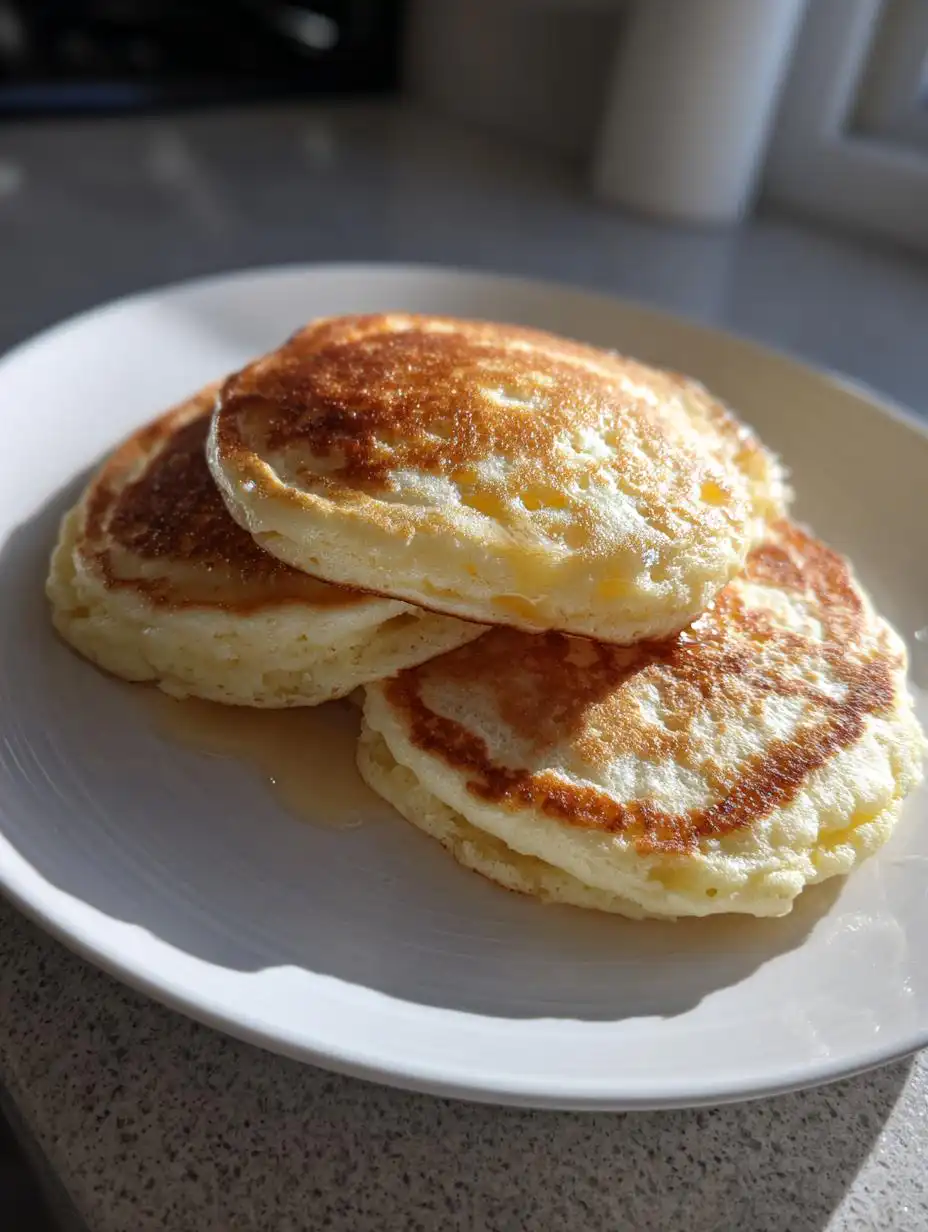
Scoop about 2 tablespoons of batter for each pancake. I gently nudge the batter with the back of the spoon to make a rough 4-inch circle, but don’t fuss over perfect edges; they’ll spread a little. Cook only two or three at a time so you don’t crowd the pan. Let them sit for about 3 minutes on that first side. You’ll know they are ready to flip when you see small bubbles forming on the surface and the edges look set. Lift one carefully with a thin spatula—you want that bottom to be a lovely golden brown. Flip and cook for just another 1 to 2 minutes until it springs back nicely when you touch it lightly. Repeat until all your beautiful Coconut Flour Pancakes are done!
Tips for Success with Coconut Flour Pancakes
Look, I know low-carb baking can feel fussy, but these tips will save you from any pancake disasters. My biggest piece of advice is about heat control. You must cook these low and slow! If you try to rush them by turning up the heat, the outside will seize up and burn before the center even has a chance to cook through. Keep that skillet set to low the entire time you are cooking.
Another thing that makes a huge difference is not over-mixing after the coconut flour goes in. Once you add the dry ingredients, mix only until you see no more dry streaks. Over-beating develops a gummy texture which is the absolute worst in a Coconut Flour Pancakes recipe. Remember, we want tenderness!
Also, don’t try to make them gigantic. These pancakes are delicate because they are gluten-free. Keep them around 3 to 4 inches wide. This makes them sturdy enough to flip easily without breaking in half. If you follow those guidelines—low heat, gentle mixing, and smaller size—you’ll have the fluffiest results every time.
Simple Variations for Your Coconut Flour Pancakes
While the base recipe for these Coconut Flour Pancakes is perfect as is, sometimes you want a little twist for the weekend, right? Luckily, because the structure is set by the eggs and coconut flour, we can play around with the flavorings safely. Don’t try swapping the flour or milk, though; those are non-negotiable for texture!
For a lovely warm flavor, try swapping the vanilla extract for half a teaspoon of ground cinnamon and a tiny pinch of nutmeg. It makes them taste like a spiced treat without adding any carbs. If you love citrus, mix in the zest of half an orange when you add the wet ingredients. That bright note cuts through the richness of the eggs beautifully.
Another easy, clean swap is using almond extract instead of vanilla for a totally different flavor profile. Just use about a quarter teaspoon of almond extract because it’s much stronger than vanilla. These simple variations keep your Coconut Flour Pancakes exciting week after week!
Serving Suggestions for Your Coconut Flour Pancakes
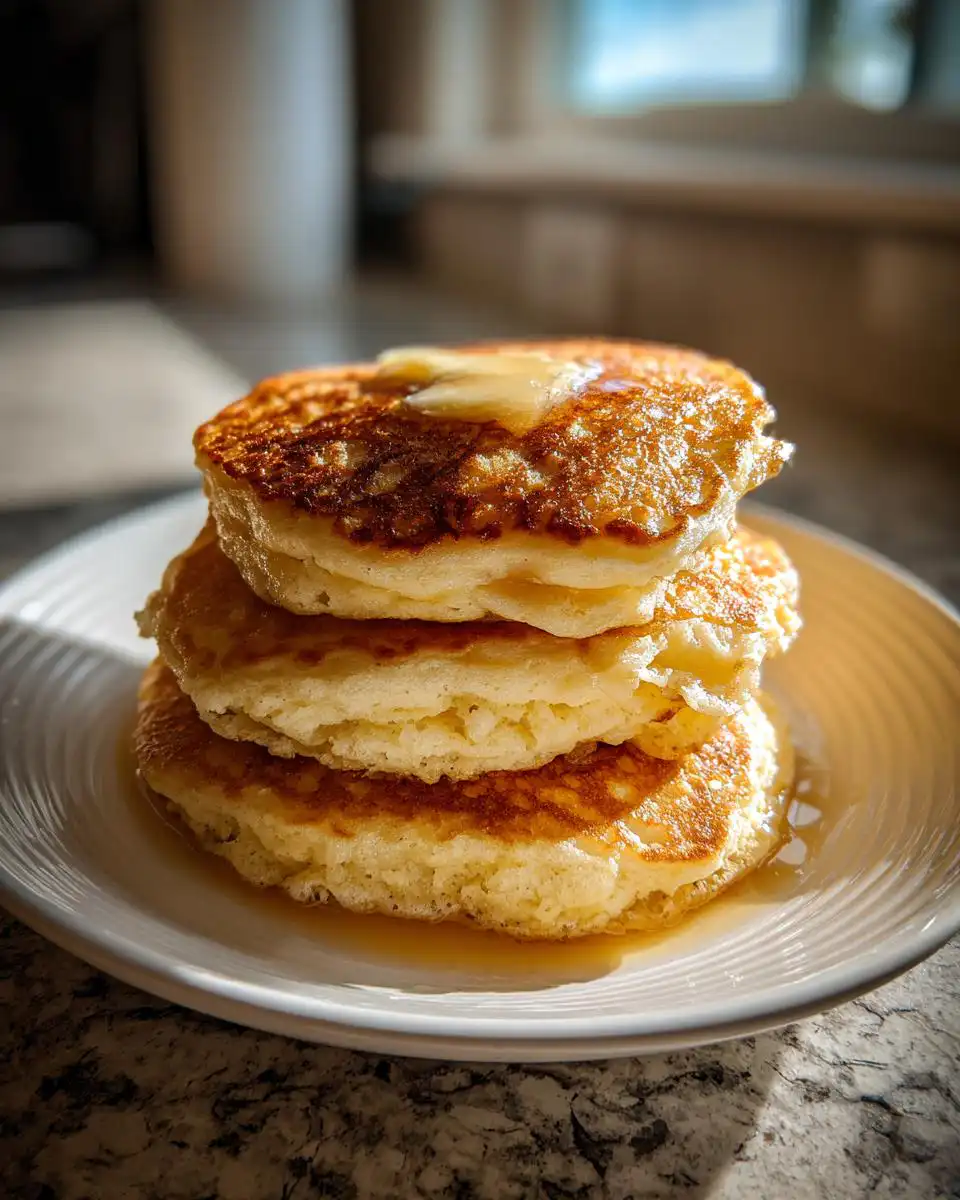
These pancakes are already high in protein and fat, which is awesome because they keep you full until lunch! That means you want toppings that complement that without loading up on sugar. The best topping, in my opinion, is just a small pat of real butter melting right into those little pockets on top.
For a little sweetness, skip the maple syrup and grab some fresh berries—raspberries or blueberries are my favorites because they add a little tartness. If you need that syrup flavor, a sugar-free maple syrup alternative works great here. For a real treat, a dollop of full-fat Greek yogurt or a spoonful of natural almond butter adds extra creamy texture and staying power.
To make this a complete meal, serve them alongside a couple of scrambled eggs or maybe some crispy bacon. It turns a quick breakfast into a satisfying, balanced brunch!
Storing and Reheating Leftover Coconut Flour Pancakes
The best part about these pancakes is that they actually reheat beautifully! Unlike some low-carb baked goods that turn dry when chilled, these stay surprisingly tender. You can definitely make a double batch and keep them ready for busy mornings. Store them in an airtight container in the refrigerator. They should keep well for up to three days.
When it’s time to eat them, resist the urge to toss them straight into the microwave! That heat blasts them too fast and they get rubbery. Instead, reheat them gently in a dry, nonstick skillet over low heat for about a minute per side until they are warmed through. If you are in a real rush, you can microwave them for just 10 to 15 seconds, but the skillet method is definitely superior for bringing back that fresh-off-the-griddle texture.
| Storage Method | Duration |
|---|---|
| Refrigerator (Airtight Container) | Up to 3 Days |
| Freezer (Layered with Parchment) | Up to 1 Month |
Frequently Asked Questions About Coconut Flour Pancakes
I get so many messages asking about substitutions, and it’s totally understandable! When you’re trying to keep things low-carb or gluten-free, you have to be careful. Here are a few of the questions I hear most often about making these Coconut Flour Pancakes.
Can I substitute the almond milk in this Coconut Flour Pancakes recipe?
You can swap the almond milk for other unsweetened, low-carb milks like coconut milk from a carton or even unsweetened cashew milk. However, please don’t try using regular dairy milk, as the sugar content will throw off the low-carb nature of the recipe. Also, avoid water—it just doesn’t have the richness needed to balance the flavor.
Why is my Coconut Flour Pancakes batter so thick?
Oh, this is the most common question! Coconut flour is incredibly absorbent—it can soak up almost four times the liquid that regular white flour does. That’s why we let the batter rest for those three minutes! If your batter seems rock solid after the rest, add liquid just a teaspoon at a time until it’s scoopable, but remember: thick batter equals fluffy pancakes for this Gluten Free Breakfast!
Are these Coconut Flour Pancakes truly High Protein?
Yes, they absolutely are! Because we aren’t using traditional flour, the structure and bulk of the recipe come from the eggs. Those three large eggs contribute a significant amount of high-quality protein to every serving. It’s one of the reasons I love serving these when I know we have a really busy morning ahead; they keep us satisfied for hours!
Share Your Best Coconut Flour Pancakes Experience
I truly hope these tips help you master the fluffiest Coconut Flour Pancakes on your first try! Baking low-carb shouldn’t feel like a chore, and I promise these are worth the little bit of attention they need. Now that you have the secrets, I’d love to hear how they turned out for you. Did you try the cinnamon variation? Drop a comment below and let me know your favorite way to top them! You can also check out more of my favorite recipes on Medium or see more visual inspiration on Pinterest.
Print
Fluffy Coconut Flour Pancakes: 3 Easy Secrets
- Total Time: 20 minutes
- Yield: 8 pancakes
- Diet: Low Carb
Description
These coconut flour pancakes are light, fluffy, and naturally low carb. A high protein breakfast made with simple ingredients and ready in 20 minutes.
Ingredients
- 1/4 cup coconut flour
- 3 large eggs
- 2 tablespoons melted butter
- 1/3 cup unsweetened almond milk
- 1 teaspoon baking powder
- 1 teaspoon vanilla extract
- 1 tablespoon powdered monk fruit sweetener
- Pinch sea salt
- Butter for greasing the pan
Instructions
- Whisk the eggs in a medium bowl until frothy and slightly pale.
- Add the melted butter, almond milk, vanilla extract, and sweetener. Whisk until smooth.
- Sprinkle in the coconut flour, baking powder, and salt. Stir until a thick batter forms.
- Let the batter rest for 3 minutes so the coconut flour absorbs the liquid. The batter must be thick but scoopable.
- Heat a nonstick skillet over low heat and lightly grease with butter.
- Scoop 2 tablespoons of batter for each pancake into the skillet and gently spread into a small circle about 4 inches wide. Cook 2 to 3 pancakes at a time.
- Cook on low for about 3 minutes, until small bubbles appear and the bottom is golden.
- Carefully flip and cook another 1 to 2 minutes until cooked through.
- Repeat with remaining batter, adding more butter to the skillet as needed.
Notes
- Coconut flour creates a tender texture.
- Eggs add structure and protein.
- This breakfast reheats well.
- Prep Time: 5 minutes
- Cook Time: 15 minutes
- Category: Breakfast
- Method: Skillet
- Cuisine: American